

 MMM
MMM How to Create a ‘Sensory Souvenir’ from Your Trip
Think about your last amazing trip. What’s the first thing that comes to mind? Is it the plastic keychain you bought at the airport? The t-shirt that shrank in the wash? Probably not. The real memories, the ones that stick, are different. They’re the scent of fresh pastries wafting from a Parisian bakery at dawn. The echoing call to prayer in Istanbul. The gritty feel of volcanic sand between your toes in Iceland. These are the moments that cheap trinkets can never capture. This is why you need to learn how to create a sensory souvenir, a collection of triggers that can transport you back to a place in an instant.
We’ve all been there. You come home, your suitcase is full, but your heart feels a little empty. The photos are great, but they feel flat, a two-dimensional echo of a three-dimensional experience. A sensory souvenir is the antidote. It’s not about buying something; it’s about actively collecting the very essence of a place using all five of your senses. It’s an intentional act of memory-making that goes far beyond snapping a picture for Instagram. Ready to change how you remember your travels forever?
Key Takeaways
- A sensory souvenir engages all five senses (smell, sound, taste, touch, sight) to create a powerful, multi-layered memory of your trip.
- It’s not about buying expensive items, but about mindfully collecting small, meaningful sensory triggers.
- This practice encourages you to be more present and observant during your travels, deepening your experience.
- You can compile these sensory elements into a ‘memory box’ or integrate them into your daily life to relive your travels anytime.
So, What Exactly *Is* a Sensory Souvenir?
Let’s break it down. A traditional souvenir is an object. A magnet. A postcard. A tiny statue of a famous landmark. A sensory souvenir, on the other hand, is a collection of experiences translated into tangible (or sometimes digital) triggers. It’s a curated set of items and recordings that specifically target your senses to unlock a flood of memories.
Our sense of smell, for instance, is directly linked to the limbic system, the brain’s emotional and memory center. It’s why the scent of cinnamon can instantly transport you to your grandmother’s kitchen. It’s science! By consciously collecting these sensory triggers, you’re essentially creating a powerful, personalized time machine. It’s about bottling the feeling of a place, not just owning a piece of it.
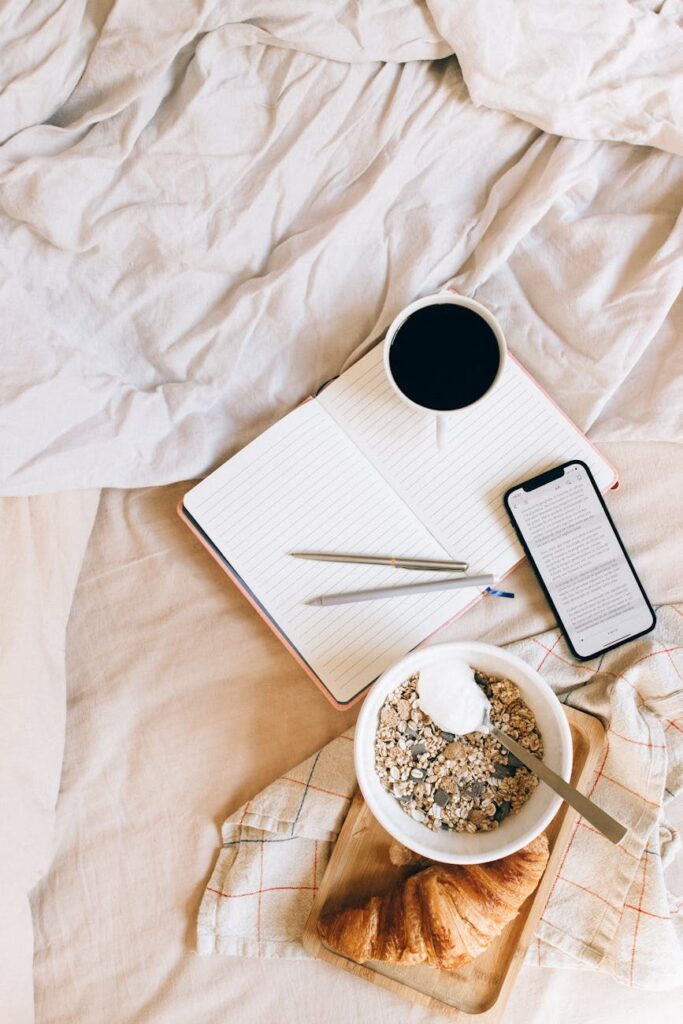
The Five Senses: Your Blueprint for Unforgettable Memories
This is where the fun begins. Approaching your trip with the goal of collecting sensory data forces you to pay attention in a new way. You start noticing the little things that make a place unique. Here’s a guide to creating your next sensory souvenir, broken down by sense.
The Power of Scent: Bottling Your Destination
Smell is arguably the most potent memory trigger. Think about the unique scent profile of a place. Is it the salty air of a coastal town? The petrichor of afternoon rain on hot city pavement? The complex aroma of a spice market? Your mission is to capture it.
- Local Perfumes or Oils: Many destinations have signature scents. Think lavender in Provence, France, or sandalwood in Mysore, India. Find a small, local shop and purchase a tiny vial of perfume, essential oil, or a bar of scented soap. Don’t just buy it; talk to the shop owner. Learn the story behind it.
- Spices and Teas: This is a classic for a reason. A small bag of za’atar from the Middle East or a unique tea blend from a Japanese market isn’t just for cooking or drinking. Open the bag when you get home and inhale. Instant transportation.
- Inert Scent Carriers: This is a pro-level move. Bring a few small, unscented items with you, like a wooden block, a small cotton pouch, or a terra-cotta disc. Let it sit in a place with a distinct smell—a coffee roastery, a pine forest, a leather workshop. The material will absorb the ambient scent, creating a subtle but powerful aromatic keepsake.
- Don’t Forget the ‘Weird’ Smells: It’s not always about pleasant aromas. The smell of diesel from the tuk-tuks in Bangkok or the damp, earthy smell of a European cathedral are just as evocative. While you can’t bottle these, you can write a detailed description of them in a journal to trigger the memory later.
Curating a Travel Soundtrack: The Sounds of a Place
Every location has a unique soundtrack. It’s the hum of life that we often tune out. Your task is to become a sound engineer for your own memories. Close your eyes for a minute wherever you are—a bustling piazza, a quiet beach, a train station. What do you hear?
Most smartphones have surprisingly good voice memo apps. Use them!
- Record Ambient Soundscapes: Capture 30-60 seconds of pure, unadulterated sound. Ideas include the chatter of a foreign language in a cafe, the rhythmic clang of a blacksmith, the sound of waves crashing, or the specific jingle of a city’s public transit system. Label these recordings immediately (e.g., “Piazza Navona Fountain, Rome”).
- Create a Playlist: What music did you hear? Was there a street performer playing a haunting melody? A song that was always on the radio in the taxis? A local band you discovered in a small bar? Create a specific travel playlist on your preferred streaming service. When you play it back home, it won’t just be music; it’ll be the soundtrack to your adventure.
- Collect ‘Verbal’ Souvenirs: Record yourself or your travel companions describing a moment as it’s happening. The genuine emotion and details you capture in the moment are priceless. “We’re standing at the top of the Eiffel Tower, and I can’t believe how tiny the cars look…” is far more powerful than trying to remember the feeling later.
Here is a great tutorial on how to get high-quality audio recordings with just your phone:
A Taste of Travel: Edible Memories
Taste is a direct connection to a culture. It’s a way to experience a place on a visceral level. Bringing these tastes home allows the journey to continue in your own kitchen.
- Non-Perishable Goods: This is the easiest way. Think a bottle of unique hot sauce, a jar of local honey or jam, a bag of strangely flavored potato chips, or a specific type of pasta you can’t find at home. Make sure you check customs regulations before you pack!
- The Recipe: This is my favorite. If you have a meal that blows your mind, ask for the recipe. Sometimes the chef will be flattered and share it. If not, take a photo of the menu description and make detailed notes in your phone about the flavors. The quest to recreate that dish back home becomes a wonderful project.
- Take a Cooking Class: This is the ultimate taste souvenir. You not only learn to make local dishes, but you also gain the skills and often a recipe booklet to take home with you. The experience itself becomes a cherished memory.
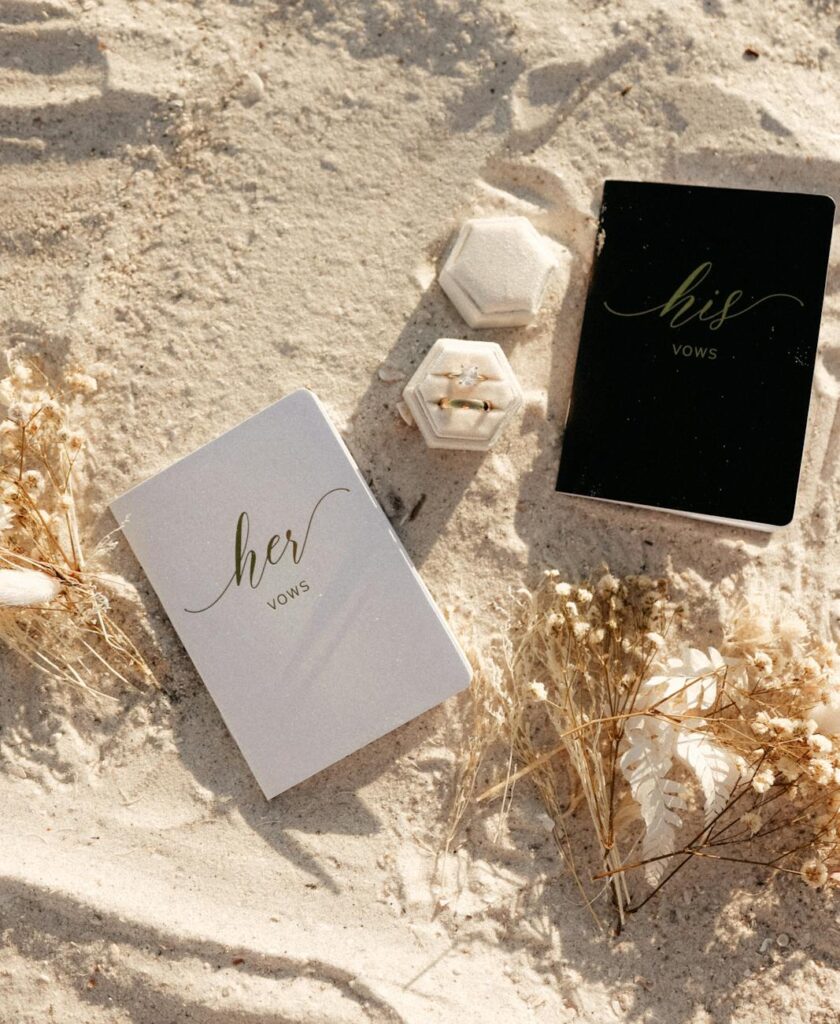
The Feeling of a Place: Tactile Keepsakes
How did a place feel? This sense is often overlooked but is deeply ingrained in our memory. Focus on the textures that define your destination.
“The world is full of obvious things which nobody by any chance ever observes.” – Arthur Conan Doyle
This is your chance to observe. The goal is to collect small, simple items that have a distinct textural memory attached to them.
- Natural Elements: A perfectly smooth stone from a riverbed in the Rockies. A small, gnarled piece of driftwood from a Pacific Northwest beach. A vial of black sand from Iceland. A pressed leaf from a memorable hike. (Always be mindful of local rules about taking natural items!).
- Man-Made Textures: A single, beautifully patterned tile from a Portuguese market (make sure you buy it, don’t just take it!). A small swatch of fabric from a textile market. A subway token. An old coin. The texture of these items can connect you to the history and craft of a place.
- Paper & Ephemera: Don’t throw away your ticket stubs, maps, or brochures! The feel of that specific, flimsy museum ticket or the crisp fold of a city map is a powerful tactile link to your experience.
Beyond the Postcard: A Different Way to ‘See’
Yes, sight is our most dominant sense, and you’re already taking photos. But we can go deeper. A sensory approach to sight is less about the grand vista and more about the small details that create a visual ‘mood’.
- Color Palettes: Take close-up photos of color combinations that define a place. The peeling paint on a door in Greece (cerulean blue, stark white, terracotta). The colors of spices in a Marrakesh souk (ochre, crimson, mustard yellow). You can even collect tiny paint swatches from a local hardware store that match these colors.
- Texture Rubbings: Get in touch with your inner child. Take a piece of paper and a crayon or charcoal stick and make rubbings of interesting textures—a manhole cover, a carved wooden door, the bark of a unique tree.
- Sketching: You don’t have to be an artist. A simple, 5-minute sketch of your coffee cup at a cafe, a strange-looking fruit, or the view from your window forces you to look—really look—at something in a way a camera snap never can.
Putting It All Together: Building Your Sensory Souvenir Box
So now you’re home, with a collection of strange little items: a vial of sand, a voice memo of a bustling market, a bag of tea, a smooth stone, and a train ticket. What now? You create a memory box.
Find a simple wooden or cardboard box. This will be the physical home for your sensory souvenir collection from that specific trip. Arrange the items inside. You can add a photo or two and a small, handwritten card that lists what each item is and the memory it represents.
Here’s the magic. Months or even years later, when you want to revisit that trip, you don’t just flip through a photo album. You open the box. You unstop the vial of essential oil and inhale. You play the recording of the street musician. You run your thumb over the smooth stone. You make a cup of the tea. Suddenly, you’re not just remembering; you’re re-experiencing. You’re right back there, standing on that street corner, feeling the sun on your face.
Conclusion: Travel Deeper, Remember Better
Creating a sensory souvenir transforms you from a passive tourist into an active participant. It’s a form of mindfulness that enriches your travels in real-time and gives you a much more profound way to connect with your memories long after you’ve returned. It’s about recognizing that the most valuable things we bring back from a trip aren’t things at all—they’re feelings, moments, and sensations.
So on your next trip, I challenge you to ditch the souvenir shop. Instead, open your senses. Listen to the world around you. Breathe it in deeply. Feel its textures. Taste its unique flavor. Collect these moments. Curate them. Build a souvenir that your mind and soul will treasure far more than any plastic trinket ever could.
FAQ
Is it difficult to start creating sensory souvenirs?
Not at all! The easiest way to start is by focusing on just one or two senses on your next trip. For example, make it your mission to just collect sounds and scents. Record a few audio clips on your phone and buy a locally made candle or soap. As you get used to the practice, you can incorporate more senses.
What if I’m a minimalist and don’t want to collect physical objects?
A sensory souvenir can be almost entirely digital and minimalist-friendly. You can have a digital folder for a trip that contains your curated music playlist, your ambient sound recordings, photos focused on color and texture, and notes from a ‘scent journal’ where you describe the smells you encountered. The only physical item might be a single spice or tea you can consume, leaving no clutter behind.
How can I do this with kids?
This is a fantastic activity for children! It turns a trip into a fun scavenger hunt. Give them a list of things to ‘collect’ with their senses. Ask them, “What is the most interesting sound you’ve heard today?” or “Find the smoothest rock you can.” It teaches them to be observant and helps them form stronger, more meaningful memories of their family vacations.


 Find Your Zen: The World’s Most Calming Hotel Lobbies
  Find the Best Train Carriages for Quiet & Scenic Views
  Hammock Reading: Finding Joy in Simple Pleasures
  The Calming Colors of a Santorini Sunset Explained
  Discover the World’s Best Planetariums: A Guide
  Enjoy a Sporting Event: Feel the Vibe, Not the Score
  Backtest Crypto Trading Strategies: A Complete Guide
  NFT Standards: A Cross-Chain Guide for Creators & Collectors
  Decentralized Storage: IPFS & Arweave Explained Simply
  How to Calculate Cryptocurrency Taxes: A Simple Guide
  Your Guide to Music NFTs & Top Platforms for 2024
  TradingView for Crypto: The Ultimate Trader’s Guide