

 MMM
MMM Unlocking a Perfect Journey: How to Find the Best Train Carriages for Peace and Vistas
There’s a certain magic to train travel, isn’t there? The rhythmic clatter of wheels on the track, the world spooling past your window like a living film. But let’s be honest, that romantic ideal can be shattered in an instant. You’ve been there. You booked a trip, excited for hours of peaceful reading and breathtaking views, only to find yourself next to the clanging bathroom door, with a view of a concrete pillar, surrounded by a dozen screaming toddlers. The dream dies. But what if I told you that a little bit of insider knowledge could dramatically change your experience? Finding the best train carriages isn’t about luck; it’s a science and an art. It’s about knowing where to sit to transform a stressful commute into a serene and scenic adventure.
Forget just grabbing the first available seat. We’re going to break down the anatomy of a passenger train so you can strategically choose your spot for maximum quiet and the most stunning views. This is your definitive guide to becoming a train travel guru.
Key Takeaways:
- The Middle is Golden: For the smoothest ride with the least jolting, aim for a car in the middle of the train.
- Quiet is a Choice: The ‘Quiet Car’ is your sanctuary, but the very first passenger car can also be a surprisingly peaceful option.
- Views on Views: The Observation Car, when available, is unbeatable for panoramic scenery. No contest.
- Seat Strategy Matters: Your specific seat location—away from doors and bathrooms—is just as crucial as the carriage itself.
- Upgrade Wisely: First Class often guarantees a quieter, more spacious experience, which can be worth the extra cost on long journeys.
The Great Train Car Debate: Front, Middle, or Back?
The first big decision is where along the length of the train you should plant yourself. Each section offers a surprisingly different experience, and what’s best for one person might be a nightmare for another. Let’s explore the pros and cons.
The Case for the Front Car (Often the Quietest)
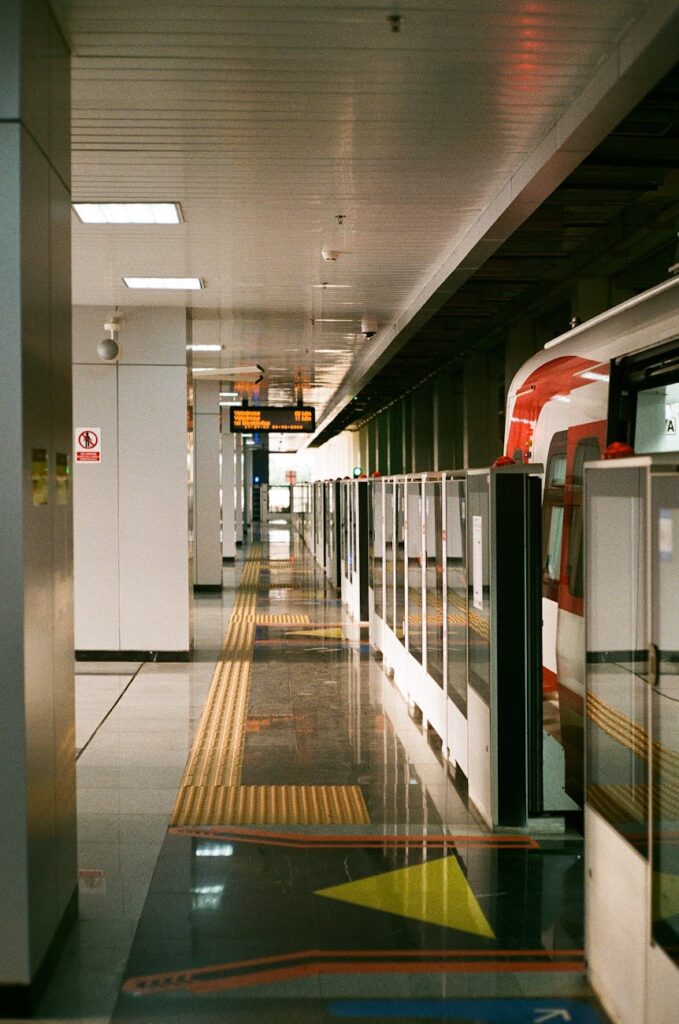
Positioned directly behind the engine or the driver’s cabin, the very first passenger car has one major advantage: less foot traffic. Think about it. People only walk through this car to get to their seats. There are no passengers from cars further up the train passing through on their way to the dining car or the bathroom. This drastically reduces the number of people walking up and down the aisle. It can be a haven of calm. Some frequent travelers swear by it.
However, there are a couple of potential drawbacks. Depending on the type of train, you might experience more noise from the engine itself—the horn, the couplings, the mechanical hum. On modern electric trains, this is often negligible, but on older diesel-hauls, it can be a factor. Also, in the event of a sudden stop, the front of the train can experience a more pronounced jolt. But for those who prioritize a journey uninterrupted by a constant parade of people, the front car is a strong contender.
The Allure of the Middle Car (The Smoothest Ride)
Physics is on your side here. A train car pivots on its wheels (called bogies), which are located near the ends of the car. The motion—the swaying and bumping—is most pronounced at the very ends of each carriage. The center of the car is the most stable point. Now, apply that same logic to the entire train. The cars at the very front and very back experience the most lateral movement and jarring as the train navigates curves and switches. The cars in the absolute middle of the train? They’re the sweet spot. They benefit from the stabilizing effect of the cars in front and behind them, resulting in a significantly smoother, more comfortable ride.
If you’re prone to motion sickness or simply want to feel like you’re gliding on air, the middle of the train is your best bet. The downside? These cars are often the most popular and can be the most crowded. They are also usually where the dining car or cafe is located, meaning they get a ton of foot traffic. So you’re trading some potential peace and quiet for a five-star ride quality.
The Underestimated Back Car (A Mixed Bag)
Much like the front car, the rearmost carriage benefits from a lack of through-traffic. Nobody is walking past you from a car further back, because there isn’t one. This can make it a wonderfully quiet and isolated spot. Some trains even have a large window at the very back, offering a unique and mesmerizing view of the tracks receding into the distance. It’s a hypnotic sight you can’t get anywhere else.
The potential issues mirror those of the front car. The ride can be a bit bumpier and sway more than in the middle. You’ll feel the push and pull of the train more acutely. It’s also, by definition, the furthest from the engine and often the last to get service from onboard staff. If you want to be left alone and enjoy a unique perspective, the back car is a hidden gem. If you want a smooth ride and easy access to amenities, you might want to look elsewhere.
Special Carriages: Finding the Best Train Carriages for Your Needs
Beyond the simple front-middle-back positioning, many long-distance and scenic trains offer specialized carriages designed for specific experiences. Booking a seat in one of these can be a total game-changer.
The Observation Car: Your Window to the World
This is the holy grail for scenery lovers. Often called a dome car or panorama car, these carriages feature massive, curved floor-to-ceiling windows that extend into the roof. The goal is simple: provide the most expansive, unobstructed views of the landscape possible. The seats are often angled to face outwards, and the atmosphere is generally more social and relaxed. You’ll find fellow travelers pointing out landmarks, taking photos, and just soaking in the beauty.
Be aware that seats in these cars are often unassigned and available to all passengers (especially on services like Amtrak in the US). They can get crowded during the most scenic parts of the route. If your train offers one, make a plan to spend significant time there. It is, without a doubt, the single best train carriage for a scenic journey. Period.
The Dining Car: Scenery with a Side of Silver Service
Don’t underestimate the dining car as a place to enjoy the view. While its primary purpose is serving meals, the experience of sitting down to a proper meal, with a white tablecloth and real silverware, while mountains or coastlines drift past your window is one of the quintessential joys of rail travel. The windows are typically large, and since you’re sitting for a while, you get to truly absorb the changing scenery. It breaks up the journey and turns a simple meal into a memorable event. Even if you’re not having a full three-course dinner, grabbing a coffee and a pastry in the cafe car can offer a refreshing change of scenery from your assigned seat.
The Quiet Car: An Introvert’s Paradise
For those who crave silence, the Quiet Car is a godsend. These carriages have a strict set of rules that are usually enforced by fellow passengers: no cell phone calls, keep conversations to a whisper, and mute all electronic devices. It’s a library on wheels. This is the absolute best option if your primary goal is to read, work, or simply nap in peace without interruption. You won’t get the social buzz of an observation car, but you will get tranquility. If the rhythmic sound of the tracks is the only soundtrack you want, seek out the Quiet Car. Just be sure you’re prepared to abide by the rules—the regulars here do not mess around.
Picking Your Seat: A Micro-Strategy for a Macro View
Okay, you’ve chosen your ideal car. But the work isn’t done. The specific seat you choose within that car is the final, crucial piece of the puzzle.
Pro Tip: Always try to book your train ticket as far in advance as possible. This gives you the widest selection of available seats, allowing you to be strategic instead of just taking what’s left.
Window vs. Aisle: The Eternal Question
For a scenic journey, this seems like a no-brainer: window seat. You get control over the shade and a front-row seat to the world outside. However, it comes with a trade-off. You’re hemmed in. If you want to get up to stretch your legs, go to the bathroom, or visit the cafe car, you have to awkwardly ask your neighbor to move. For a short trip, it’s fine. For an 8-hour journey, it can become tiresome.
The aisle seat offers freedom. You can get up whenever you want without disturbing anyone. You have more legroom to stretch out into the aisle (briefly!). The downside is obvious: your view is partially obstructed by your seatmate, and you’ll be the one getting up every time they need to move. The best choice depends on your priorities: unparalleled views or personal freedom?
Facing Forward or Backward? More Than Just Preference
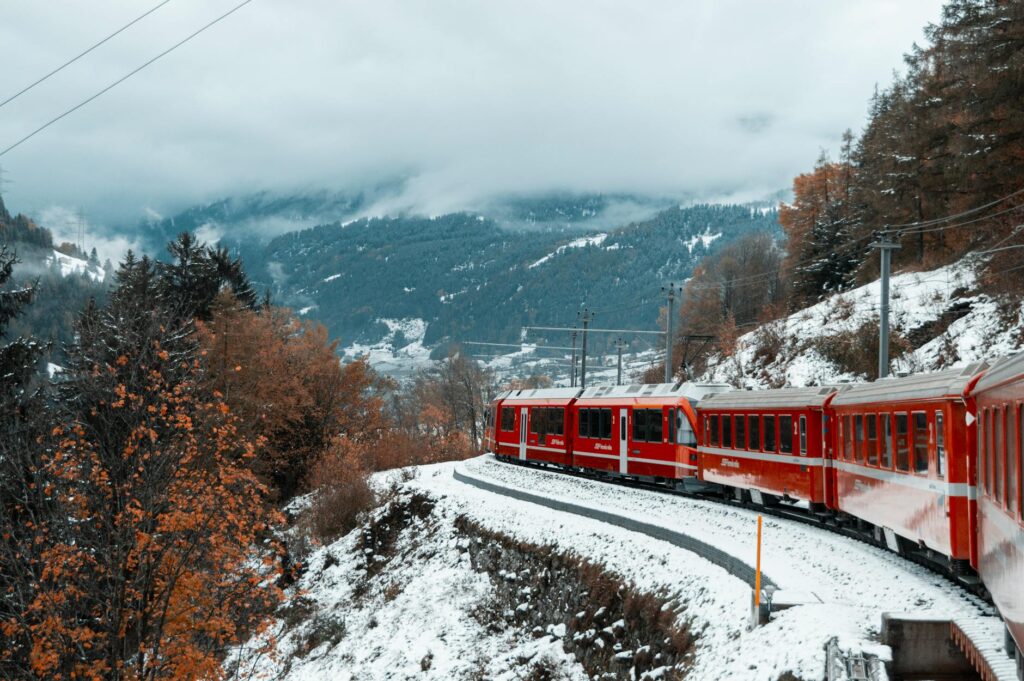
Most booking systems will tell you the direction of travel and allow you to choose a forward-facing seat. For people prone to motion sickness, this is essential. Your body and eyes are moving in the same direction, which reduces that feeling of disorientation. But there’s something to be said for a backward-facing seat. It offers a unique perspective, allowing you to see the landscape for longer as it recedes. It feels a bit like watching a memory unfold. If you don’t get motion sick, give it a try sometime. You might be surprised how much you enjoy it.
The Noise Triangle: Doors, Bathrooms, and Connectors
This is critical. The quietest seats in any given car are almost always in the middle of the car, away from either end. The ends of the carriage are hubs of activity and noise. You have:
- The automatic doors: Constantly opening and closing with a *whoosh* as people pass between cars.
- The bathrooms: You get the noise of the door, the flushing mechanism, and people congregating while they wait.
- The connectors (gangways): The noisiest part of the train, with clanking metal and rattling as the train moves.
By selecting a seat in the center of the car, you put as much distance as possible between you and these three major sources of disruption. Look at the seat map when you book. Identify these areas and pick a seat far, far away.
Class Matters: Is an Upgrade Worth It for Peace and Views?
Finally, let’s talk about the class of service. While it might seem like an unnecessary expense, upgrading from Coach to Business or First Class can be the most effective way to guarantee a peaceful journey.
Coach/Standard Class: The Baseline Experience
This is the standard for a reason. It’s cost-effective and gets you where you need to go. You can absolutely have a wonderful, quiet, and scenic journey in coach by applying all the tips we’ve discussed. However, it’s also more likely to be crowded, have more families with children, and generally be a bit louder and more chaotic. You’re rolling the dice.
Business/First Class: The Premium for Peace
The extra money for a first-class ticket buys you several things that directly contribute to a better experience. First and foremost: space. The seats are larger, there’s more legroom, and there are fewer seats per carriage. Fewer people automatically means less potential for noise. Often, these carriages are located at the very front of the train, benefiting from that lack of foot traffic. You’ll also get complimentary services like drinks and snacks, meaning you don’t have to get up and walk to the cafe car. For long-distance or overnight journeys, the upgrade can transform the trip from an endurance test into a genuine pleasure.
Conclusion
The perfect train journey doesn’t just happen. It’s crafted. It’s the result of a few smart, deliberate choices made before you ever step onto the platform. By understanding the unique personality of each part of the train—from the smooth-riding middle to the serene Quiet Car, from the panoramic Observation Car to a carefully chosen window seat—you empower yourself to be the architect of your own travel experience. You no longer have to leave your peace and comfort to chance. So next time you book a ticket, take a few extra minutes, consult the seat map, and choose your spot with the confidence of a seasoned traveler. The quiet, scenic journey of your dreams is waiting for you.
FAQ
Is the first car always the quietest option?
Not always, but it’s a very good bet. Its main advantage is having zero foot traffic from passengers in other cars. The only people walking the aisle are those seated in that car. The main potential downside is noise from the engine or horn, which varies greatly depending on the age and type of the train. If a dedicated ‘Quiet Car’ is available, that will always be the most silent option by design.
How do I know which way the train will be traveling to book a forward-facing seat?
Most modern online booking systems (like Amtrak, LNER, or Deutsche Bahn) show a small arrow or icon on the seat selection map indicating the direction of travel. This allows you to easily select a seat that faces forward. If the map doesn’t show it, you can try searching for information on rail enthusiast forums or websites like Seat61.com, where frequent travelers often share this kind of detailed information about specific routes and train sets.
Is it better to sit on a particular side of the train for the best views?
This is a great question and depends entirely on the specific route! For coastal routes, one side will face the ocean while the other faces inland. For mountain journeys, one side might offer sweeping valley views while the other looks at a rock face. A bit of pre-trip research is key. A quick search like “best side to sit on for the [Your Route Name] train” will often yield articles or forum posts from other travelers with the answer. For example, on the California Zephyr through the Rockies, sitting on the left side when heading west is often recommended for the best views.


 Find Your Zen: The World’s Most Calming Hotel Lobbies
  Hammock Reading: Finding Joy in Simple Pleasures
  Create a Sensory Souvenir: Remember Your Trip Forever
  The Calming Colors of a Santorini Sunset Explained
  Discover the World’s Best Planetariums: A Guide
  Enjoy a Sporting Event: Feel the Vibe, Not the Score
  Backtest Crypto Trading Strategies: A Complete Guide
  NFT Standards: A Cross-Chain Guide for Creators & Collectors
  Decentralized Storage: IPFS & Arweave Explained Simply
  How to Calculate Cryptocurrency Taxes: A Simple Guide
  Your Guide to Music NFTs & Top Platforms for 2024
  TradingView for Crypto: The Ultimate Trader’s Guide