

Drones in Agriculture: Precision Farming for a Sustainable Future
- Drones in Agriculture: Precision Farming for a Sustainable Future
- The Evolution of Precision Farming: A New Era with Drones in Agriculture
- Top 9 Applications of Drones in Agriculture
- The Key Benefits: Why Drones in Agriculture are a Game-Changer
- Challenges and Hurdles to Widespread Adoption
- The Future is Here: Emerging Trends and Technologies in Drones for Agriculture
- Conclusion: Embracing Drones for a Smarter, Greener Farm
The use of drones in agriculture represents one of the most significant technological shifts in modern farming, paving the way for a new era of precision, efficiency, and sustainability. These unmanned aerial vehicles (UAVs), equipped with advanced sensors and imaging capabilities, provide farmers with unprecedented insights into their fields. By collecting granular data from above, agricultural drones are transforming traditional practices and solving age-old challenges.
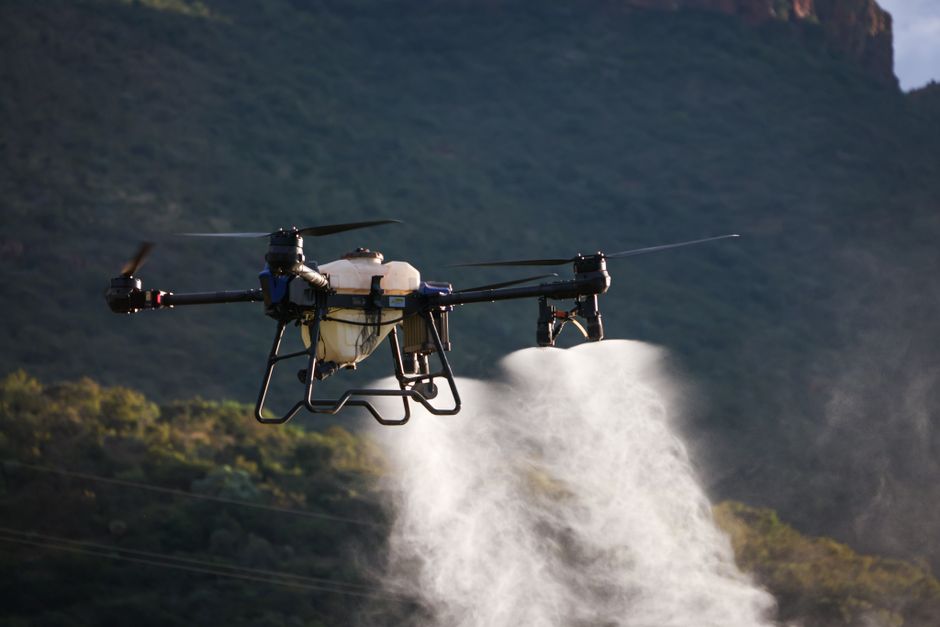
From monitoring crop health to optimizing irrigation and managing livestock, the applications are vast and growing. This technology empowers farmers to make data-driven decisions, reducing waste, lowering costs, and increasing yields significantly. The integration of drones in agriculture is not just a trend; it is a fundamental component of the future of global food production.
The Evolution of Precision Farming: A New Era with Drones in Agriculture
Precision agriculture has always been about doing more with less—maximizing output while minimizing input. For decades, this involved tools like GPS guidance for tractors and basic satellite imagery. These technologies were revolutionary but often lacked the immediacy and detail required for hyper-specific interventions.
Satellite imagery, for instance, can be expensive, infrequent, and often obscured by cloud cover. The true revolution in precision farming came with the accessibility of drones in agriculture. UAVs offer an on-demand, high-resolution solution that puts powerful data directly into the hands of the farmer.
This shift allows for a transition from reactive to proactive farm management. Instead of responding to a problem once it’s visible to the naked eye, farmers can now identify issues like nutrient deficiencies, pest infestations, or water stress at their earliest stages. This level of detail is a game-changer for modern farming operations.
Top 9 Applications of Drones in Agriculture
The versatility of drones makes them invaluable tools across the entire farming lifecycle. By leveraging different sensors and payloads, a single drone platform can perform a multitude of tasks. Here are some of the most impactful applications of drones in agriculture today.
1. High-Resolution Crop Monitoring
Continuous crop monitoring is crucial for ensuring a healthy and profitable harvest. Drones equipped with multispectral or hyperspectral sensors can capture data far beyond what the human eye can see. This imagery is used to create detailed health maps of the fields.
One of the most common outputs is the Normalized Difference Vegetation Index (NDVI) map. These maps use color-coding to highlight variations in plant health, allowing farmers to pinpoint stressed areas instantly. Early detection of these issues enables targeted treatment, saving resources and preventing widespread crop loss.
2. Soil and Field Analysis
The success of a crop begins with the soil. Before planting, drones can conduct comprehensive aerial surveys to analyze soil conditions. Using 3D mapping capabilities, they can identify variations in topography and soil quality across a field.
This data is invaluable for planning planting patterns, managing soil erosion, and creating variable-rate prescriptions for fertilizer and nutrient application. Understanding the soil in such detail ensures that seeds are planted in the optimal environment for growth, a core principle of effective agriculture.
3. Automated Planting and Seeding
While still an emerging application, drone-based planting systems are showing incredible promise. These systems can fire seed pods into prepared soil at a rapid rate, significantly reducing the time and labor required for planting. This is especially useful for reforestation projects and for reseeding large, difficult-to-access areas.
The use of drones in agriculture for planting also allows for precise placement based on the soil analysis data gathered earlier. This ensures each seed has the best possible chance of germination and growth, optimizing the use of expensive seed stock.
4. Precision Crop Spraying
Applying pesticides, herbicides, and fertilizers is a necessary but costly part of farming. Traditional methods, such as blanket spraying with large tractors or manned aircraft, can be inefficient and environmentally hazardous. Drones offer a much more targeted solution.
Equipped with spray nozzles and large tanks, agricultural drones can apply treatments to specific areas identified through crop monitoring data. This spot-spraying technique reduces chemical usage by up to 90%, according to some studies, lowering costs and minimizing environmental runoff. This is a huge step forward for sustainable drones in agriculture practices.
5. Intelligent Irrigation Management
Water is a precious resource, and its efficient use is critical. Drones equipped with thermal cameras can detect water stress in crops by measuring the temperature of the plant canopy. Healthier, well-irrigated plants are cooler than those suffering from dehydration.
This thermal data allows farmers to identify which parts of their field need more or less water. By integrating this information with their irrigation systems, they can ensure water is delivered precisely where it’s needed, conserving water and preventing issues like over-watering and fungal growth. Proper irrigation management is a key benefit of using drones in agriculture.
6. Livestock Monitoring and Management
The use of drones in agriculture extends beyond crops to livestock management. Drones with thermal and high-resolution visual cameras can be used to monitor large herds of cattle, sheep, or other animals across vast pastures. This significantly reduces the time and labor required for manual checks.
Farmers can quickly locate and count their animals, check for injuries or illness, monitor birthing, and even identify lost or stolen livestock. Thermal imaging is particularly useful for finding animals hidden in dense vegetation or conducting checks at night. The ability to monitor herd behavior provides valuable insights into animal well-being.
7. Agricultural Surveying and Yield Mapping
Before and after the growing season, drones are essential for surveying and mapping. Pre-season, they create accurate boundary and terrain maps. Post-harvest, they can be used to generate yield maps that show the productivity of different areas within a field.
This yield data is crucial for assessing the success of the season’s strategies. By comparing yield maps with soil data, planting information, and treatment records, farmers can refine their approach for the following year, creating a cycle of continuous improvement. The data gathered from these surveys is fundamental to the data-driven model promoted by drones in agriculture.
8. Crop Damage Assessment for Insurance Claims
After a destructive weather event like a hailstorm, flood, or fire, assessing crop damage for insurance purposes can be a slow and difficult process. Drones can quickly survey the entire affected area, providing clear, objective, and georeferenced evidence of the damage.
This high-resolution imagery and data significantly accelerate the insurance claims process. Adjusters can use the drone-captured evidence to make faster and more accurate assessments, ensuring farmers receive their payouts promptly to begin recovery efforts. This streamlined process is a practical financial benefit of integrating drones in agriculture.
9. Pollination Drones
A cutting-edge application involves using small drones to pollinate crops, mimicking the role of bees. As natural pollinator populations face threats, this technology could become vital for crops like almonds, cherries, and apples. While still in experimental stages, it highlights the innovative potential of UAVs.
Researchers are developing drones that can collect and distribute pollen with incredible precision. This technology could provide a crucial backup for nature, ensuring food security for crops that are dependent on pollination. This forward-thinking use of drones in agriculture addresses critical ecological challenges.
The Key Benefits: Why Drones in Agriculture are a Game-Changer
The adoption of drone technology is not just about novelty; it’s about tangible returns on investment and long-term sustainability. The benefits ripple across every aspect of the farming operation, creating a more resilient and profitable enterprise. Without a doubt, the advantages of drones in agriculture are transforming the industry.
Effective communication is key to managing the data collected by drones. Farm managers need to coordinate with field operators and analysts, and a reliable system like Jivoice can streamline these crucial conversations and data-sharing workflows.
Increased Yields and Crop Quality
By enabling early and precise interventions, drones help farmers grow healthier crops. Addressing issues like nutrient deficiencies and pest infestations before they spread leads directly to higher yields. Furthermore, optimized irrigation and fertilization contribute to more uniform and higher-quality produce.
Significant Cost Savings
Precision is synonymous with efficiency. Targeted spraying reduces the consumption of expensive fertilizers and pesticides. Optimized water management cuts down on water and energy costs. The overall reduction in inputs, combined with less reliance on manual labor and heavy machinery, leads to substantial financial savings.
Enhanced Sustainability and Environmental Protection
Modern agriculture faces immense pressure to become more sustainable. The use of drones in agriculture is a major step in the right direction. Reducing chemical runoff protects local water sources and ecosystems. Conserving water is critical in drought-prone regions, and improved soil management helps prevent erosion and maintain land fertility for future generations.
For more on sustainable farming practices, the Food and Agriculture Organization of the United Nations (FAO) provides extensive resources on global sustainability goals.
Improved Worker Safety
Farming can be a dangerous profession. Drones can take over high-risk tasks, such as spraying tall crops with pesticides or inspecting equipment in difficult-to-reach locations. This minimizes workers’ exposure to harmful chemicals and reduces the risk of accidents involving heavy machinery.
Actionable, Data-Driven Insights
Perhaps the most profound benefit is the shift to data-driven decision-making. Farmers no longer have to rely solely on intuition or traditional methods. They now have access to a wealth of objective data that provides a clear and comprehensive picture of their operations. This allows for strategic planning and continuous optimization.
To fully leverage this data, farmers often need to consult with agronomists and tech specialists. Platforms that facilitate expert consultation, such as those discussed on Jivoice, are essential for translating complex data into actionable field strategies.
Challenges and Hurdles to Widespread Adoption
Despite the clear advantages, the widespread implementation of drones in agriculture faces several challenges. Overcoming these hurdles is key to unlocking the full potential of this transformative technology. Understanding these obstacles is the first step toward finding viable solutions.
High Initial Investment
Professional-grade agricultural drones, especially those with advanced sensors like multispectral or LiDAR cameras, can be expensive. The initial cost of the hardware, software, and training can be a significant barrier for small to medium-sized farms. However, as the technology matures, prices are gradually becoming more accessible.
Technical Expertise and Training
Operating a drone and, more importantly, interpreting the data it collects, requires specialized skills. Farmers and their staff need training not only in flying the UAV but also in using the analytics software to make sense of the maps and reports. The learning curve can be steep for those unfamiliar with GIS and data analysis.
Regulatory and Legal Constraints
The use of commercial drones is subject to aviation regulations, which can vary significantly by country and region. Rules regarding flight altitude, operating beyond visual line of sight (BVLOS), and flying over people can limit the efficiency of drone operations. Navigating this complex regulatory landscape can be challenging for farmers.
A detailed analysis by Purdue University explores the economic and regulatory factors influencing drone adoption in agriculture, offering valuable insights. You can learn more from their research on the potential and limitations of agricultural drones.
Data Management and Connectivity
A single drone flight can generate massive amounts of data. Storing, processing, and analyzing this data requires significant computational power and storage capacity. Furthermore, in many rural areas, poor internet connectivity can make it difficult to upload data to the cloud for processing, creating logistical bottlenecks.
To overcome this, robust farm management software is crucial. These platforms help organize the vast datasets, and efficient communication tools are needed to discuss findings with the team. For businesses looking to improve their operational dialogue, exploring solutions on Jivoice can provide a competitive edge.
The Future is Here: Emerging Trends and Technologies in Drones for Agriculture
The field of drones in agriculture is evolving at a breathtaking pace. What seems futuristic today will likely be standard practice tomorrow. Several key trends are shaping the next generation of agricultural drone technology.
Artificial Intelligence and Machine Learning
AI is making drone data smarter. Machine learning algorithms are being trained to automatically identify specific weeds, detect early signs of disease, or even predict yields with incredible accuracy. Instead of just providing a map, future drones will offer direct diagnoses and prescriptive recommendations.
This level of automation will drastically reduce the need for human data interpretation, making the technology more accessible and powerful. The integration of AI is what will truly unlock the potential of drones in agriculture for every farmer.
Major technology publications are closely following this trend. An article from WIRED details how AI is poised to revolutionize the entire agricultural sector.
Drone Swarms and Automation
For very large farms, a single drone may not be efficient enough. The future lies in autonomous drone swarms—multiple drones working together collaboratively to survey or treat massive areas in a fraction of the time. These swarms will operate autonomously, coordinating their flight paths and tasks without direct human control.
This technology will enable 24/7 monitoring and action, creating a truly autonomous farm management system. It’s a key step towards feeding a growing global population with finite resources.
Advanced Sensor Technology
The sensors on drones are becoming smaller, more powerful, and more affordable. Hyperspectral sensors, which capture hundreds of bands of light, will provide even more detailed insights into plant physiology. LiDAR (Light Detection and Ranging) sensors will create ultra-high-resolution 3D maps of terrain and plant canopies, improving everything from water management to harvest planning.
Conclusion: Embracing Drones for a Smarter, Greener Farm
The integration of drones in agriculture is more than just a technological upgrade; it represents a paradigm shift towards a more intelligent, precise, and sustainable model of farming. By providing unparalleled aerial intelligence, drones empower farmers to make better decisions, optimize resource use, and steward their land more effectively.
While challenges like cost, training, and regulation remain, the momentum is undeniable. As the technology continues to advance and become more accessible, its role in global food production will only grow. The journey of drones in agriculture is just beginning, and it promises a future where technology and tradition work hand-in-hand to cultivate a healthier planet and a more food-secure world.
Image Suggestions:
- Image 2: An image displaying a colorful NDVI map of a farm field, showing variations in crop health with green, yellow, and red areas.
- Alt Text: NDVI map generated by drones in agriculture showing crop health variations.
- Image 3: An action shot of an agricultural drone with a tank actively spraying a fine mist over a row of crops.
- Alt Text: A large drone performing precision crop spraying, a key application of drones in agriculture.

