

Wine and Dine Travel: Exploring Culinary Delights Around the World
- Wine and Dine Travel: Exploring Culinary Delights Around the World
- The Ultimate Guide to Planning Your Wine and Dine Travel Adventure
- Iconic Wine and Dine Travel Destinations: Old World Classics
- New World Wonders: Fresh Flavors and Innovative Pairings
- Beyond the Vine: Unique Wine and Dine Travel Experiences
- Mastering the Art of Wine and Dine Travel on a Budget
- The Future of Gastronomic Tourism and Sustainable Wine and Dine Travel
Embarking on a wine and dine travel adventure is one of the most immersive ways to experience a new culture. It’s a journey where every meal tells a story and every glass of wine reflects the soul of the land from which it came.
This form of culinary tourism goes beyond simply eating and drinking. It involves connecting with local producers, understanding ancient traditions, and discovering the unique terroir that shapes the flavors on your plate and in your glass. It’s about creating memories that tantalize the senses long after you’ve returned home.
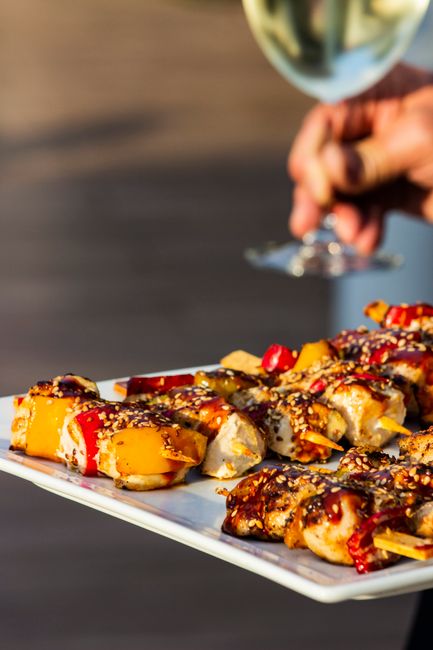
Alt Text: Wine and Dine Travel
The popularity of gastronomic travel has soared as more people seek authentic, experience-rich vacations. From the sun-drenched vineyards of Tuscany to the Michelin-starred restaurants of Napa Valley, the world is a smorgasbord of epicurean delights waiting to be explored. This comprehensive guide will serve as your passport to the world’s best culinary destinations.
The Ultimate Guide to Planning Your Wine and Dine Travel Adventure
A successful culinary journey requires thoughtful planning. Spontaneity has its place, but a well-crafted itinerary ensures you experience the very best a region has to offer. This is the foundation of unforgettable wine and dine travel.
From choosing the right destination to timing your visit perfectly, every detail matters. Proper preparation allows you to secure coveted restaurant reservations and book exclusive vineyard tours that are often sold out months in advance.
Choosing Your Gastronomic Destination
The first step is deciding where your palate wants to go. Are you drawn to the bold, structured reds of Old World regions like Bordeaux, or the fruit-forward, innovative wines of New World destinations like New Zealand?
Consider the local cuisine as well. A trip to La Rioja, Spain, is as much about the vibrant tapas culture as it is about the Tempranillo wine. Research the regional specialties, famous dishes, and local markets to find a destination that excites all your senses.
The Best Time to Go
Timing is crucial for any food and wine-focused trip. The harvest season is a magical time to visit a wine region. This typically falls in September and October in the Northern Hemisphere and March and April in the Southern Hemisphere.
During this period, vineyards are buzzing with activity, and many wineries host special events, festivals, and harvest parties. Additionally, look for local food festivals, truffle seasons, or other seasonal culinary celebrations that can elevate your travel experience.
Crafting the Perfect Itinerary
A balanced itinerary is key to avoiding palate fatigue. Mix cellar door tastings and vineyard tours with other activities like a local cooking class, a visit to a historic food market, or a scenic hike through the vine-covered hills.
Always book critical reservations well in advance, especially for world-renowned restaurants and small, boutique wineries. For complex trip planning, using a service that can help organize your thoughts and bookings is a great idea. You can learn more about streamlined communication tools at Jivoice to keep your travel plans in order.
Iconic Wine and Dine Travel Destinations: Old World Classics
The Old World—primarily Europe—is the birthplace of winemaking as we know it. These regions are steeped in centuries of tradition, where winemaking techniques and culinary recipes have been passed down through generations. Exploring these classics is essential for any serious food and wine lover.
These destinations offer a deep sense of place, or terroir, where the connection between the land, the food, and the wine is palpable. It’s a journey back in time, savoring flavors that have been perfected over millennia.
Tuscany, Italy: The Heart of Chianti
Rolling hills, cypress-lined roads, and ancient stone farmhouses define the landscape of Tuscany. This iconic Italian region is the home of the Sangiovese grape, the soul of Chianti Classico. A journey here is a masterclass in rustic elegance.
The local cuisine is simple, fresh, and profoundly flavorful. Pair a robust Riserva with Bistecca alla Fiorentina, a thick-cut steak grilled over coals. Indulge in fresh pasta with wild boar ragu or savor Pecorino cheese drizzled with local honey. Many travelers opt to stay in an agriturismo (a working farm stay) for a truly immersive farm-to-table experience.
Bordeaux, France: A Pilgrimage for Wine Lovers
Bordeaux is arguably the most famous wine region in the world. It is a benchmark for quality, elegance, and aging potential, primarily known for its prestigious châteaux and masterful blends of Cabernet Sauvignon and Merlot.
The city of Bordeaux itself is a UNESCO World Heritage site with a sophisticated dining scene. The cuisine is rich and decadent, featuring local specialties like foie gras, confit de canard (duck confit), and fresh oysters from the nearby Arcachon Bay. For a deep dive into this region’s appellations, the official Bordeaux Wine website is an invaluable resource.
La Rioja, Spain: Tapas and Tempranillo
La Rioja offers a vibrant and accessible approach to wine and dine travel. This Spanish region is famous for its bold, oak-aged red wines made from the Tempranillo grape, but its food culture is equally compelling.
The city of Logroño, particularly Calle Laurel, is famous for its tapas crawl. Each bar specializes in a single, perfect bite, from grilled mushrooms to spicy chorizo, all designed to be paired with a small glass of Rioja. The region beautifully blends avant-garde winery architecture with ancient, hand-dug cellars, offering a fascinating contrast for visitors.
New World Wonders: Fresh Flavors and Innovative Pairings
New World wine regions—found in the Americas, South Africa, Australia, and New Zealand—are characterized by innovation, technology, and a fruit-forward style. These destinations offer a different, often more relaxed, approach to culinary tourism.
Here, winemakers are less bound by tradition and more open to experimentation. This spirit of creativity extends to the culinary scene, resulting in exciting fusion cuisines and dynamic food and wine pairings.
[SUGGESTED_IMAGE_1]Alt Text: Vineyard tasting with a mountain view in Mendoza, Argentina.
Napa Valley, California, USA: The American Dream of Wine
Napa Valley is the epicenter of American wine culture. Just an hour’s drive from San Francisco, this small valley is densely packed with world-class wineries and boasts more Michelin stars per capita than any other wine region on the globe.
While known for its powerful Cabernet Sauvignon and buttery Chardonnay, the culinary landscape is incredibly diverse. From Thomas Keller’s legendary The French Laundry to casual farm-to-table bistros, there is an option for every palate. Experiences like the Napa Valley Wine Train offer a unique way to see the valley while enjoying gourmet meals. Plan your visit with help from the official Visit Napa Valley tourism board.
Mendoza, Argentina: Malbec and Mountains
Nestled in the foothills of the majestic Andes Mountains, Mendoza is the heart of Argentina’s wine country. This high-altitude desert region is the world’s premier producer of Malbec, a grape that yields plush, dark-fruited, and velvety red wines.
Mendoza’s culinary culture is centered around the asado, a traditional Argentinian barbecue featuring epic cuts of grilled beef. The experience of enjoying a perfectly grilled steak with a glass of rich Malbec at a winery, with the snow-capped Andes as your backdrop, is a core memory for any food traveler. It is a perfect example of a region built on a single, perfect pairing.
Stellenbosch, South Africa: A Fusion of Cultures and Flavors
Just outside of Cape Town, the Stellenbosch region is a stunning landscape of mountains, valleys, and historic Cape Dutch architecture. South Africa’s signature grape is Pinotage, a unique cross between Pinot Noir and Cinsault, but the region also produces excellent Chenin Blanc and Bordeaux-style blends.
The culinary scene is a vibrant reflection of the country’s “Rainbow Nation” identity, blending African, European, and Asian influences. This cultural fusion creates a dynamic and exciting destination for any foodie. Exploring this unique corner of the world can be an incredible adventure, and keeping your travel communications organized is key. You can explore options for managing international calls and contacts on platforms like Jivoice.
Beyond the Vine: Unique Wine and Dine Travel Experiences
A modern culinary journey is not limited to traditional winery visits and restaurant dinners. The world of wine and dine travel has expanded to include a variety of innovative and immersive experiences that cater to every type of traveler.
These unique adventures offer new perspectives, allowing you to engage with food and wine culture on a deeper level. From floating down a river to getting your hands dirty in a kitchen, these are the experiences that create lasting memories.
Culinary Cruises and River Journeys
A river cruise can be a fantastic way to explore multiple wine regions without the hassle of packing and unpacking. Cruise lines now offer dedicated wine-themed journeys down rivers like the Douro in Portugal, the Rhône and Saône in France, and the Rhine in Germany.
These trips often feature onboard sommeliers, expert-led tastings, exclusive shore excursions to prestigious wineries, and menus designed by celebrity chefs. It’s a luxurious and convenient way to immerse yourself in the world of wine.
Immersive Cooking Classes and Market Tours
To truly understand a region’s cuisine, you need to learn how to cook it. A hands-on cooking class is one of the best souvenirs you can bring home. Many classes begin with a guided tour of a local food market to source fresh, seasonal ingredients.
This experience connects you directly with local farmers, artisans, and chefs. You’ll learn the techniques and stories behind traditional dishes, gaining a much deeper appreciation for the local culture and its culinary heritage.
The Rise of Urban Wineries and Food Halls
You don’t always need to travel to the countryside for an authentic wine experience. Many cities are now home to urban wineries, where grapes are transported from vineyards to be crushed, fermented, and bottled in an urban setting.
Paired with the boom in gourmet food halls, cities have become exciting hubs for food and wine lovers. These bustling markets bring together the best local chefs, bakers, cheesemongers, and artisans under one roof, offering a microcosm of the region’s entire culinary scene.
Mastering the Art of Wine and Dine Travel on a Budget
A luxurious gastronomic journey doesn’t have to come with a prohibitive price tag. With smart planning and a focus on authenticity, it’s entirely possible to enjoy world-class food and wine experiences without breaking the bank.
The key is to think like a local, seek out hidden gems, and be flexible with your timing. A budget-conscious approach can often lead to more authentic and memorable discoveries than a strictly high-end itinerary.
[SUGGESTED_IMAGE_2]Alt Text: A colorful local food market in Spain, perfect for budget wine and dine travel.
Look for Lesser-Known Regions
Instead of automatically choosing Napa or Bordeaux, consider their less-famous (and less-expensive) neighbors. Portugal’s Alentejo region, Chile’s Maipo Valley, or even New York’s Finger Lakes offer incredible quality and value.
These up-and-coming destinations are often less crowded and more welcoming. You’re more likely to get a personal tour from the winemaker and discover exceptional wines at a fraction of the cost of their more celebrated counterparts.
Prioritize Local Eateries over Fine Dining
While a Michelin-starred meal is a special treat, the true heart of a region’s cuisine is often found in its casual trattorias, bustling bistros, and family-run taverns. This is where locals eat, and where you’ll find the most authentic and soulful cooking.
Make a habit of visiting local markets for lunch. You can assemble a delicious picnic of fresh bread, local cheese, cured meats, and a bottle of wine to enjoy with a scenic view. This is both an affordable and deeply satisfying culinary experience.
Travel During the Shoulder Season
The shoulder season—the period just before and after the peak tourist season—is the sweet spot for travel. In most wine regions, this means spring and fall. You’ll benefit from lower prices on flights and accommodations, as well as fewer crowds at wineries and restaurants.
The weather is often pleasant, and you’ll get a more relaxed and personal experience. Keeping an eye on travel deals and managing your budget is crucial, and using smart financial tools can make all the difference. Check out resources at Jivoice to help manage your travel expenses.
The Future of Gastronomic Tourism and Sustainable Wine and Dine Travel
As travelers become more conscious of their environmental and social impact, the world of culinary tourism is evolving. Sustainability is no longer a niche concept but a driving force shaping how and where we travel for food and wine.
The future of wine and dine travel lies in supporting producers and establishments that are committed to ethical practices. It’s about ensuring that these delicious traditions can be preserved for generations to come.
The Importance of Sustainable and Organic Wineries
More and more wineries are adopting sustainable, organic, and biodynamic farming practices. These methods focus on soil health, water conservation, and biodiversity, creating healthier vineyards and, many argue, more expressive wines.
As a traveler, you can vote with your wallet by seeking out and supporting these eco-conscious producers. Organizations like the California Sustainable Winegrowing Alliance provide resources for identifying wineries committed to these principles. This shift ensures the long-term health of the beautiful landscapes we love to visit.
Hyperlocal Sourcing and Farm-to-Table Movements
The farm-to-table concept continues to be a cornerstone of modern gastronomy. The best culinary experiences are those that celebrate hyperlocal ingredients, with menus built around what is fresh from the garden, field, or sea that day.
This focus not only guarantees the best possible flavor but also supports local economies and reduces the carbon footprint associated with transporting food. It fosters a powerful connection between the diner, the chef, and the land.
The Role of Technology in Culinary Exploration
Technology has made planning a sophisticated culinary trip easier than ever. Apps can help you discover wineries, check tasting room hours, and book reservations with a few taps. Digital platforms provide user reviews and expert guides to help you uncover hidden gems.
Even virtual experiences, which gained popularity recently, are here to stay. Virtual wine tastings with winemakers from across the globe allow you to explore a region from your own home, whetting your appetite for future wine and dine travel.
In conclusion, exploring the world through its food and wine is a journey that enriches the soul and expands the palate. It’s an adventure in taste, culture, and connection. Whether you’re a seasoned oenophile or a curious foodie, your next unforgettable trip is just a reservation away. The world is full of flavor—it’s time to take a bite.

