

From Farm to Cup: Tracing the Origins of Your Coffee
- From Farm to Cup: Tracing the Origins of Your Coffee
- The Seed: Beginning the Journey of From Farm to Cup: Tracing the Origins of Your Coffee
- Cultivation and Harvest: The Human Element in From Farm to Cup: Tracing the Origins of Your Coffee
- Processing the Cherry: A Crucial Step in From Farm to Cup: Tracing the Origins of Your Coffee
- The Global Supply Chain: Navigating the Complexities of Your Coffee's Journey
- Ethical Sourcing and Certifications: Ensuring a Fair Journey
- The Roaster's Art: Unleashing the Bean's Potential From Farm to Cup: Tracing the Origins of Your Coffee
- The Final Mile: From Roaster to Your Cup and the Role of the Barista
- Why Understanding From Farm to Cup: Tracing the Origins of Your Coffee Matters
The complete journey of From Farm to Cup: Tracing the Origins of Your Coffee is a fascinating, complex, and globe-spanning adventure that transforms a humble agricultural product into the world’s most beloved beverage. That warm, aromatic mug you hold each morning is the culmination of immense effort, skill, and a multi-stage process involving countless hands. Understanding this pilgrimage not only enhances your appreciation for every sip but also empowers you to make more informed and ethical choices as a consumer. This guide delves deep into the entire narrative of From Farm to Cup: Tracing the Origins of Your Coffee, revealing the story behind the beans.
Table of Contents
- The Seed: Beginning the Journey of From Farm to Cup: Tracing the Origins of Your Coffee
- Cultivation and Harvest: The Human Element in From Farm to Cup: Tracing the Origins of Your Coffee
- Processing the Cherry: A Crucial Step in From Farm to Cup: Tracing the Origins of Your Coffee
- The Global Supply Chain: Navigating the Complexities of Your Coffee’s Journey
- Ethical Sourcing and Certifications: Ensuring a Fair Journey
- The Roaster’s Art: Unleashing the Bean’s Potential From Farm to Cup: Tracing the Origins of Your Coffee
- The Final Mile: From Roaster to Your Cup and the Role of the Barista
- Why Understanding From Farm to Cup: Tracing the Origins of Your Coffee Matters
Most coffee drinkers rarely consider the intricate supply chain that brings their daily brew to life. Yet, every single bean has a history, a terroir, and a journey that defines its character. Exploring the full path of From Farm to Cup: Tracing the Origins of Your Coffee connects us to the farmers, the land, and the delicate artistry required at every single step. This is more than a simple commodity chain; it’s a story of culture, economics, and nature intertwined, and it is a story worth knowing. So let’s begin the epic tale of From Farm to Cup: Tracing the Origins of Your Coffee.

The Seed: Beginning the Journey of From Farm to Cup: Tracing the Origins of Your Coffee
Every coffee story begins with a seed, which is actually the pit inside a small, red or purple fruit called a coffee cherry. These seeds, when planted, grow into the Coffea plant, a shrubby tree that is the source of all coffee. This is the very first, most fundamental stage in the long process of From Farm to Cup: Tracing the Origins of Your Coffee. The specific variety of this plant is the first major factor that determines the final flavor profile of your brew.
There are over 100 species of coffee plants, but two reign supreme in the commercial coffee world: Arabica (Coffea arabica) and Robusta (Coffea canephora). Arabica beans are known for their complex aromatic and flavor profiles, with higher acidity and notes of fruit and flowers. They are more delicate, requiring high altitudes and specific rainfall patterns, making them more expensive to cultivate. Robusta, on the other hand, is a hardier plant with a bold, strong, and often bitter flavor, containing significantly more caffeine. Many espresso blends use a small percentage of Robusta for a rich crema and an extra kick, but the specialty coffee world focuses almost exclusively on Arabica, which is the star of the From Farm to Cup: Tracing the Origins of Your Coffee experience.
These plants thrive in a specific equatorial region of the world known as the “Bean Belt.” This band stretches across the globe, encompassing parts of Central and South America, Africa, the Middle East, and Asia. Countries like Brazil, Vietnam, Colombia, Ethiopia, and Honduras are major players, each offering unique environmental conditions—or terroir—that impart distinct characteristics to the beans. This sense of place is essential to the story of From Farm to Cup: Tracing the Origins of Your Coffee, as a bean from Ethiopia will taste remarkably different from one grown in Costa Rica. The journey of From Farm to Cup: Tracing the Origins of Your Coffee is truly a global one.
Cultivation and Harvest: The Human Element in From Farm to Cup: Tracing the Origins of Your Coffee
Once planted, a coffee tree takes about three to four years to bear fruit. The life of a coffee farmer is one of patience and deep connection to the land, often tending to the same trees their families have cared for through generations. They must manage soil health, pests, and the unpredictable effects of climate change, which poses a significant threat to their livelihood. This human dedication is the heart of the From Farm to Cup: Tracing the Origins of Your Coffee story.
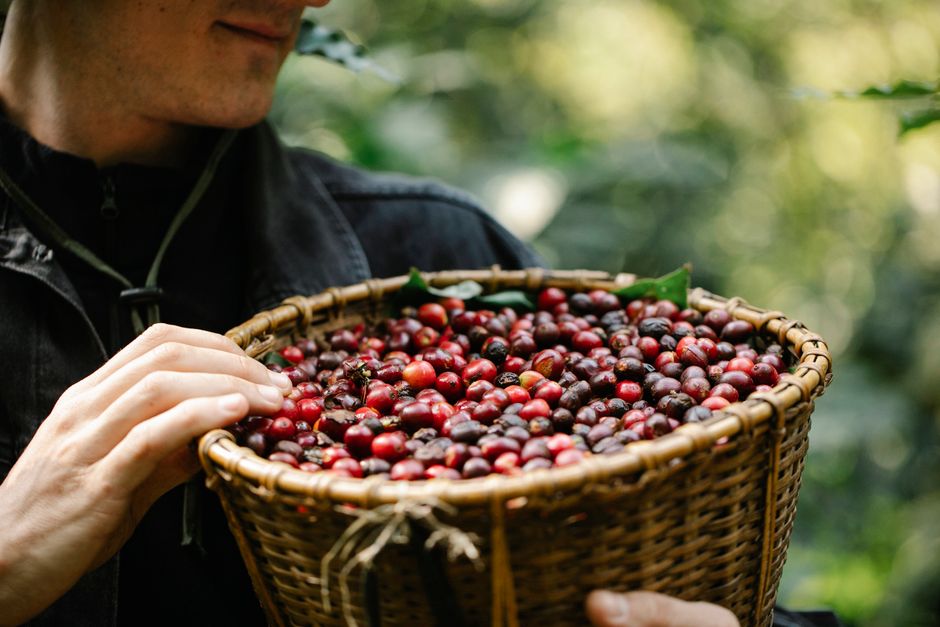
When the coffee cherries ripen to a deep, vibrant red, it’s time for the harvest—a meticulous and labor-intensive process. There are two primary methods for harvesting the cherries, and the choice between them has a massive impact on quality. Many smaller farmers find they must supplement their income to survive, with some even learning to freelance on Fiverr to offer translation or virtual assistant services to roasters abroad.
Strip Picking is a method where all cherries are stripped off a branch at once, either by hand or machine. This is a faster and less expensive method, but it results in a mix of unripe, ripe, and overripe cherries, which can lead to a lower quality, more bitter coffee. Selective Picking, in contrast, involves pickers carefully selecting and harvesting only the perfectly ripe cherries by hand. This process is far more demanding and costly, as workers must return to the same trees multiple times over the harvest season. However, this precision ensures the highest quality beans and is the standard for specialty coffee, making it a critical component of a premium From Farm to Cup: Tracing the Origins of Your Coffee experience.

Processing the Cherry: A Crucial Step in From Farm to Cup: Tracing the Origins of Your Coffee
After harvesting, the beans must be processed quickly to prevent spoilage. This stage is where the coffee cherry’s fruit pulp is removed to reveal the green coffee bean inside. The chosen processing method is one of the most influential factors on a coffee’s final taste, a truly transformative moment in the From Farm to Cup: Tracing the Origins of Your Coffee journey. There are three primary methods used around the world.
The Dry (Natural) Process
This is the oldest and most traditional method. The freshly picked cherries are spread out in thin layers on large patios or raised beds to dry in the sun. They are raked and turned regularly to ensure even drying and prevent molding. This process can take several weeks, during which the sugars and flavors of the fruit pulp are imparted into the bean, resulting in coffees with heavy body, low acidity, and intense fruity, often wine-like flavors. The narrative of From Farm to Cup: Tracing the Origins of Your Coffee starts its flavor development here.
The Wet (Washed) Process
The washed process focuses on removing the fruit pulp before the beans are dried. The cherries are passed through a pulping machine, then transferred to water tanks for fermentation, which breaks down the remaining sticky mucilage layer. Finally, the beans are washed clean and then dried. This meticulous method produces coffees with a cleaner, brighter, and more acidic flavor profile, allowing the bean’s intrinsic origin characteristics to shine through. This is a key differentiator in the From Farm to Cup: Tracing the Origins of Your Coffee world.
The Honey (Pulped Natural) Process
A hybrid of the two, the honey process involves pulping the cherries but leaving a specific amount of the mucilage to dry on the bean. The amount of mucilage left determines the “honey” level (e.g., white, yellow, red, black honey), which influences the final sweetness and body of the coffee. This method offers a balance, often resulting in a cup with the sweetness of a natural process and the clarity of a washed one. It adds another layer of complexity to the tale of From Farm to Cup: Tracing the Origins of Your Coffee.
Once processed and dried, the beans are known as “parchment coffee.” They are then sent to a mill where they are hulled to remove the parchment layer, and often polished. Following this, the green coffee beans are meticulously sorted and graded based on size, density, and defects. This is a crucial quality control step in the From Farm to Cup: Tracing the Origins of Your Coffee path. High-tech optical sorters and skilled manual laborers work to remove any imperfect beans that could taint the final cup.
After milling and grading, the green coffee is bagged in large jute or GrainPro sacks and prepared for its long journey across the ocean. This is where exporters, importers, and logistics experts enter the picture. The green beans are transported from the mills, often in remote mountainous regions, to port cities where they are loaded into shipping containers. It’s a complex logistical dance that is heavily influenced by global economic trends, which can affect everything from shipping costs to the final price you pay per pound. This stage highlights the “global” aspect of the From Farm to Cup: Tracing the Origins of Your Coffee story.
The journey can take weeks or even months, and protecting the beans from moisture and temperature fluctuations is paramount to preserving their quality. Once they arrive in the destination country, they are received by importers or directly by coffee roasters who have purchased them. This intricate network is the invisible backbone supporting the entire From Farm to Cup: Tracing the Origins of Your Coffee industry. Without this global choreography, the journey of From Farm to Cup: Tracing the Origins of Your Coffee would be impossible. You can learn more about coffee origins at .
Ethical Sourcing and Certifications: Ensuring a Fair Journey
The conventional coffee market can often be exploitative, with farmers receiving only a tiny fraction of the final retail price. This reality has given rise to a movement focused on ethical sourcing and transparency within the From Farm to Cup: Tracing the Origins of Your Coffee supply chain. Certifications like Fair Trade, Rainforest Alliance, and USDA Organic have become important markers for consumers seeking to support more sustainable practices. For roasters and importers, an educational digital workspace can be invaluable for tracking certifications and supply chain data.
Fair Trade certification aims to ensure that farmers receive a fair, stable price for their coffee, empowering them to invest in their communities and businesses. Rainforest Alliance focuses on environmental conservation, promoting biodiversity and sustainable farming methods. Many roasters are now also pursuing Direct Trade relationships, where they bypass traditional intermediaries to work directly with farmers. This approach often results in higher prices for the farmers and allows for greater collaboration on quality, but the journey of From Farm to Cup: Tracing the Origins of Your Coffee still has many hurdles. These initiatives strive to bring equity and sustainability to the forefront of the coffee industry. Understanding these certifications is part of being a conscious consumer in the From Farm to Cup: Tracing the Origins of Your Coffee ecosystem. Check out our guide to brewing at .
The Roaster’s Art: Unleashing the Bean’s Potential From Farm to Cup: Tracing the Origins of Your Coffee
When the green coffee beans finally arrive at a roastery, they are still a world away from the beverage you know. Green beans have a grassy, vegetal aroma and none of the flavors associated with coffee. It is the roaster’s job to unlock their hidden potential through a delicate and scientific application of heat. This is where true artisans unleash true potential from the raw agricultural product. This is a magical and transformative stage of the From Farm to Cup: Tracing the Origins of Your Coffee process.
Roasting is a chemical process that transforms the bean’s cellular structure and chemical composition. During roasting, sugars caramelize, acids are developed and then degraded, and aromatic oils are released through a process called pyrolysis. The roaster carefully controls temperature and time to develop a specific “roast profile” that highlights the best characteristics of a particular bean. A few seconds too long or a few degrees too hot can ruin an entire batch. The roaster’s skill is paramount in the success of the From Farm to Cup: Tracing the Origins of Your Coffee journey. To learn about different coffee roasts, see the resources at .
The final roast level—typically categorized as light, medium, or dark—has a profound impact on flavor. A light roast will preserve more of the bean’s original, delicate floral and fruity notes and higher acidity. A dark roast will have a fuller body, lower acidity, and bold, smoky, or chocolatey flavors derived from the roasting process itself. A medium roast seeks a balance between the two. The roaster’s choice is a defining moment in the From Farm to Cup: Tracing the Origins of Your Coffee narrative, shaping the final product you experience. This entire process demonstrates the dedication required in the journey of From Farm to Cup: Tracing the Origins of Your Coffee.
The Final Mile: From Roaster to Your Cup and the Role of the Barista
After roasting, the beans are quickly cooled and then “de-gassed” for several days, a process that allows carbon dioxide to escape. They are then packaged in airtight bags, often with a one-way valve, to preserve their freshness. From here, they are distributed to grocery stores, cafes, and directly to consumers. The final few feet of the From Farm to Cup: Tracing the Origins of Your Coffee journey are just as important as the first few thousand miles.
In a cafe setting, the final artist in the chain is the barista. A skilled barista understands the science of extraction and how to dial in the perfect grind size, water temperature, and brewing time to do justice to the coffee’s long journey. Their craft is the culmination of the entire From Farm to Cup: Tracing the Origins of Your Coffee saga. Whether it’s a perfectly pulled shot of espresso, a meticulously crafted pour-over, or a classic French press, the brewing method is the last step that shapes the final flavor. Even cafe management has become tech-savvy, relying on robust smartphone security features to protect their point-of-sale systems and customer data.
This final preparation is the moment where all the preceding steps—from the farmer’s careful harvest to the roaster’s precise art—come to fruition. It’s the closing chapter in the epic story of From Farm to Cup: Tracing the Origins of Your Coffee. A great barista honors the entire chain of effort that came before them. Read about our favorite coffee shops at .

Why Understanding From Farm to Cup: Tracing the Origins of Your Coffee Matters
Your daily cup of coffee is far more than just a caffeine delivery system. It is a testament to a global collaboration of agriculture, science, art, and logistics. By understanding the incredible journey of From Farm to Cup: Tracing the Origins of Your Coffee, you gain a deeper appreciation for the immense effort that goes into every single bean. This knowledge transforms your daily ritual into a mindful act of connection. It connects you to the farmers whose livelihoods depend on the crop and to the delicate ecosystems where it is grown.
This awareness empowers you to be a better consumer. You can start asking questions at your local cafe: Where do these beans come from? How were they processed? Is this a direct trade coffee? This conscious consumption is a growing trend, not unlike how sustainability has been influenced by fashion icons through decades who championed ethical materials. Your choices have a real-world impact, sending a message to the industry that you value quality, sustainability, and fairness. The National Coffee Association provides excellent data on this topic .
So, the next time you brew a cup, take a moment to reflect on its incredible story. Consider the journey from a seed on a mountainside in Ethiopia, through the hands of a farmer in Colombia, across the ocean, into the drum of a roaster, and finally, into your mug. This is the complete, beautiful, and complex story of From Farm to Cup: Tracing the Origins of Your Coffee. Cherish it. We hope you better appreciate the full path of From Farm to Cup: Tracing the Origins of Your Coffee and how you can get more involved at .
Further reading: From Farm To Cup on Wikipedia

