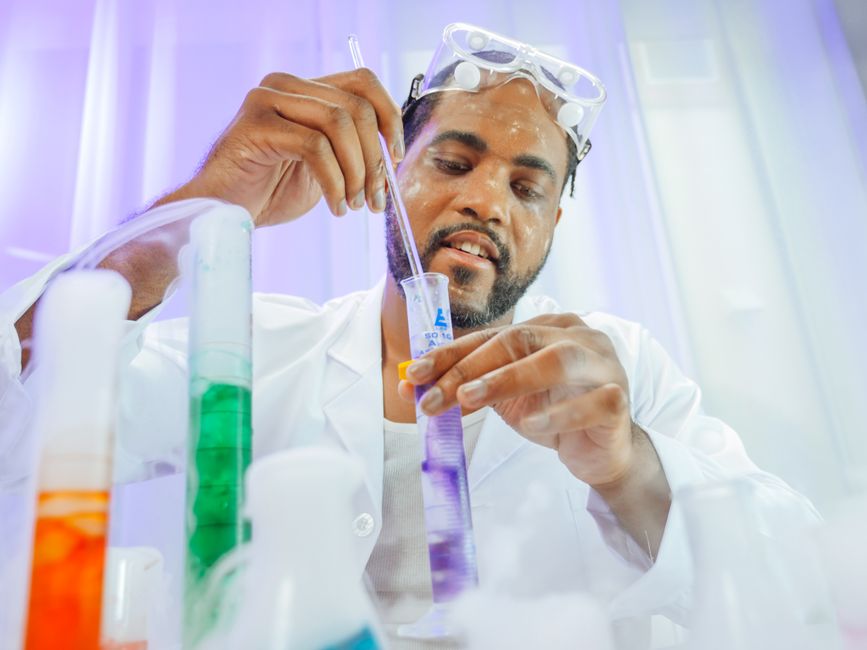
The Impact of AI-Driven High-Throughput Screening in Drug Discovery Pipelines
The impact of AI-driven high-throughput screening is revolutionizing drug discovery, accelerating the identification of promising therapeutic candidates. This powerful combination allows researchers to analyze vast datasets and biological targets with unprecedented speed and accuracy.
Table of Contents
Traditional drug discovery is a long, arduous, and expensive process. It can take over a decade and billions of dollars to bring a single new drug to market. High-throughput screening (HTS) emerged as a significant advancement, enabling the rapid testing of thousands to millions of chemical compounds against a specific biological target.
However, even HTS generates immense amounts of data that can be challenging to interpret. This is where artificial intelligence (AI) steps in, offering a transformative solution to sift through this complexity and extract meaningful insights.
AI algorithms can learn patterns, predict compound efficacy, and identify potential off-target effects far more efficiently than human analysis alone. This synergy between AI and HTS is dramatically shortening discovery timelines and increasing the probability of success.
The Evolution of High-Throughput Screening
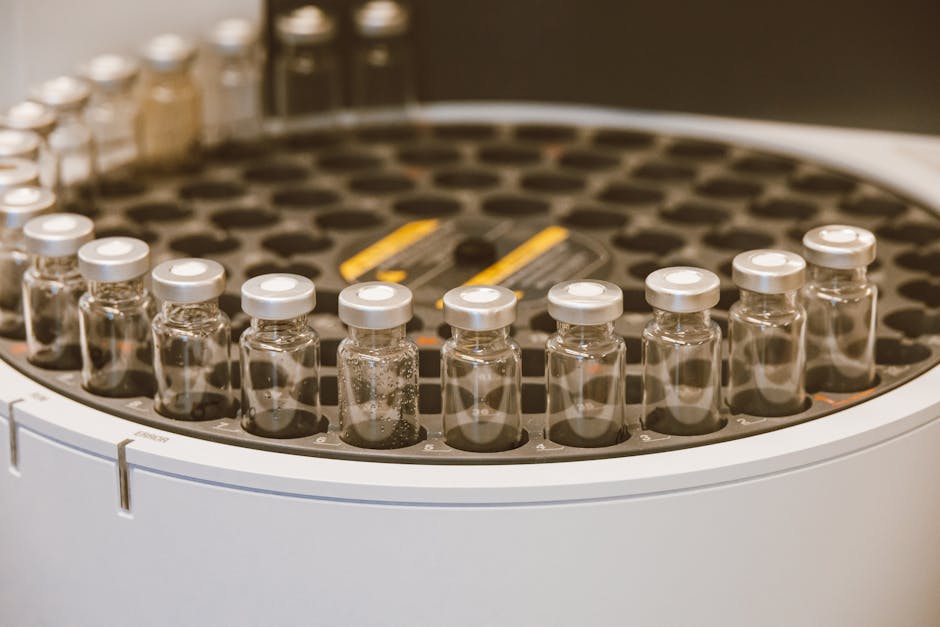
High-throughput screening, at its core, involves automated processes designed to test large numbers of chemical or biological substances simultaneously. These assays are crucial for identifying “hits” – compounds that show initial activity against a disease target.
Early HTS relied on basic automation and relatively simple detection methods. As technology advanced, so did the complexity and scale of HTS, allowing for the testing of millions of compounds.
Key advancements included miniaturization of assay volumes to reduce reagent costs and robotic liquid handling systems for precise compound delivery.
Despite these improvements, HTS was still prone to generating false positives and negatives. The sheer volume of data often overwhelmed researchers, making it difficult to prioritize the most promising candidates.
Introducing AI into the Screening Process
The integration of AI has injected new life into HTS, transforming it into a more intelligent and predictive process. AI can analyze the complex, multi-dimensional data generated by HTS assays in ways previously unimaginable.
Machine learning models, a subset of AI, are particularly adept at identifying subtle correlations and patterns within large datasets. These models can be trained on historical screening data to predict which new compounds are most likely to be effective.
Deep learning, a more advanced form of machine learning, can uncover even more intricate relationships within the data, leading to highly accurate predictions about compound activity and potential toxicity.
This allows for a more focused and efficient approach, diverting resources away from compounds with a low probability of success.
Key Applications of AI in HTS
AI’s role in HTS is multifaceted, touching various stages of the drug discovery pipeline. Its ability to process and learn from vast amounts of data makes it invaluable.
Hit Identification and Prioritization
AI algorithms can sift through primary screening results, flagging compounds that exhibit the desired activity. More importantly, they can predict which of these initial “hits” are most likely to be potent and selective drug candidates.
This dramatically reduces the number of compounds that need to be taken forward for secondary validation and optimization, saving significant time and resources.
Virtual Screening
Beyond analyzing experimental data, AI can perform “virtual screening.” This involves using computational models to predict how millions or even billions of potential drug molecules will interact with a target protein, all without the need for physical synthesis or testing.
AI models can assess binding affinity, potential side effects, and pharmacokinetic properties, narrowing down the search space before any laboratory work begins.
Predicting Compound Properties
AI excels at predicting various properties of potential drug molecules. This includes their solubility, metabolic stability, and potential for toxicity. These predictions help researchers avoid compounds that are likely to fail later in development due to poor drug-like characteristics.
De Novo Drug Design
AI can even be used for de novo drug design, where it generates entirely new molecular structures with desired properties. By learning from existing successful drugs and known chemical principles, AI can propose novel compounds tailored to specific therapeutic targets.
The Impact of AI-Driven High-Throughput Screening on Drug Discovery Pipelines
The impact of AI-driven high-throughput screening is undeniably transformative for the entire drug discovery process. It addresses bottlenecks and inefficiencies that have long plagued the industry.
One of the most significant benefits is the acceleration of the discovery timeline. By rapidly identifying and prioritizing promising candidates, AI-driven HTS can shave years off the preclinical development phase.
This speed translates directly into cost savings. Fewer resources are spent on testing compounds that are unlikely to succeed, and the overall R&D expenditure can be significantly reduced.
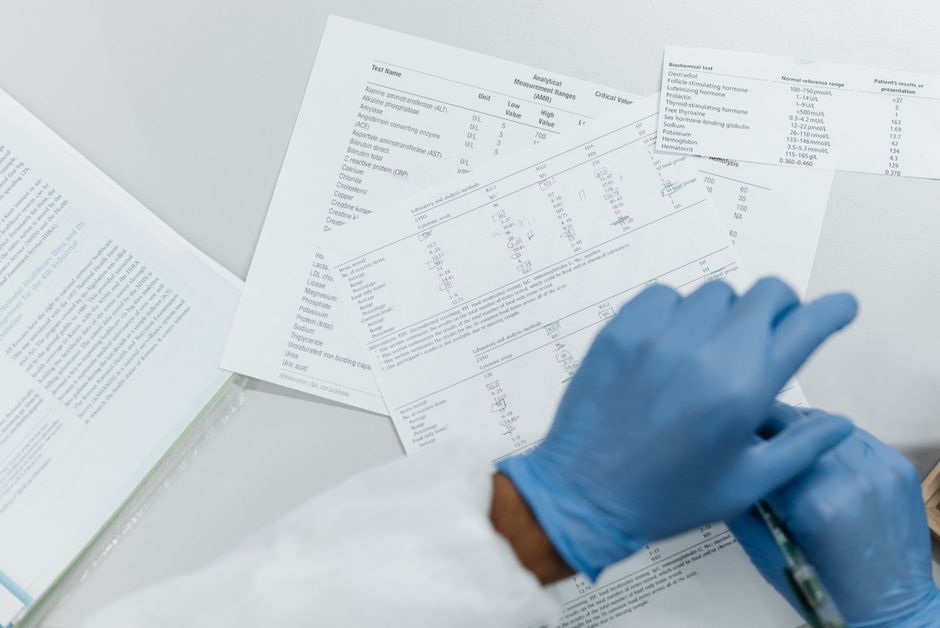
Furthermore, AI enhances the quality of drug candidates. By predicting efficacy and potential issues early on, AI helps ensure that the compounds moving forward are more robust and have a higher chance of clinical success.
The ability to analyze complex biological data also opens doors to targeting diseases that were previously considered “undruggable.” AI can help identify novel targets and design molecules to interact with them effectively.
Overcoming Data Challenges
The sheer volume of data generated by modern HTS experiments can be overwhelming. AI provides the analytical power needed to make sense of this information.
It can identify subtle trends and outliers that might be missed by manual analysis. This leads to a more comprehensive understanding of compound behavior and biological interactions.
Improving Reproducibility and Reducing Bias
AI algorithms, when properly trained, can perform analyses consistently, reducing the variability often seen in manual data interpretation. This improves the reproducibility of experimental results.
By relying on data-driven insights rather than intuition alone, AI can also help mitigate human bias in the selection of drug candidates.
Challenges and Future Directions
Despite its immense promise, the integration of AI in HTS is not without its challenges. Data quality is paramount; AI models are only as good as the data they are trained on.
Ensuring the accuracy, completeness, and relevance of HTS data is crucial for the success of AI algorithms. The interpretability of AI models, often referred to as the “black box” problem, is another area of ongoing research.
Understanding *why* an AI model makes a particular prediction is important for building trust and validating results.
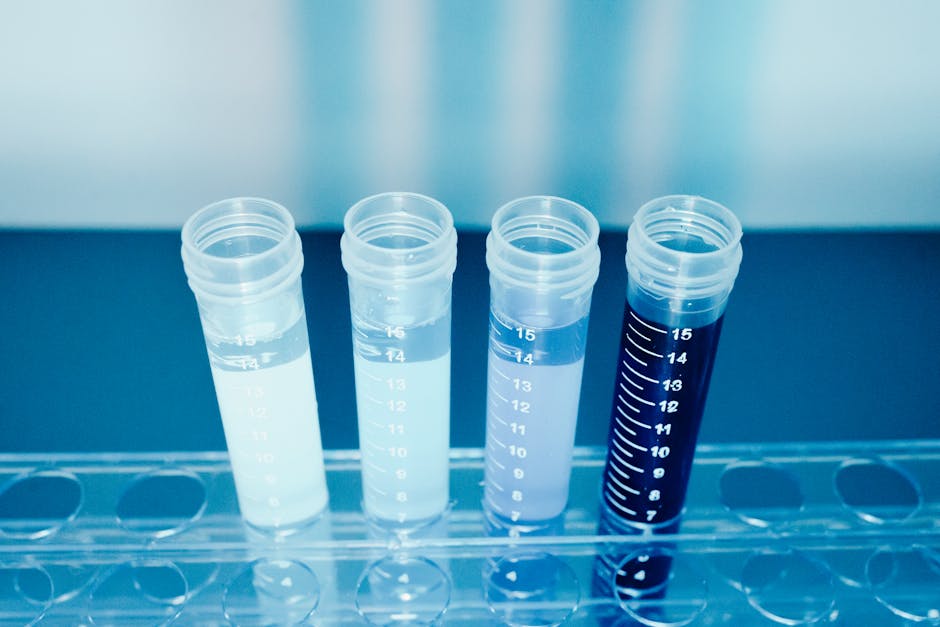
The future of AI-driven HTS is incredibly exciting. We can expect more sophisticated AI algorithms capable of even more accurate predictions and novel discoveries.
The convergence of AI with other advanced technologies, such as organ-on-a-chip models and sophisticated imaging techniques, will further amplify its impact.
AI will likely play an even greater role in personalized medicine, helping to identify drug candidates tailored to individual patient profiles and genetic makeup.
The continued development and refinement of AI tools will undoubtedly lead to faster, more efficient, and more successful drug discovery pipelines, ultimately benefiting patients worldwide.
The ongoing evolution of AI is poised to continuously refine the drug discovery process. We anticipate AI models will become even more adept at predicting complex biological interactions and designing molecules with exquisite specificity.
The integration of AI with advanced experimental techniques, such as advanced microscopy and omics technologies, will unlock deeper biological insights. This synergy will accelerate the identification of novel drug targets and the development of more effective therapies.
The ultimate goal is to create a truly predictive and personalized drug discovery engine, where AI guides every step from target identification to clinical trial design.
This will usher in an era of accelerated therapeutic innovation, bringing life-changing medicines to patients faster than ever before.
The impact of AI-driven high-throughput screening is still unfolding, but its potential to reshape the pharmaceutical landscape is undeniable.