
 MMM
MMM Augmented Reality vs. Virtual Reality: What’s the Difference?
Ever found yourself lost in a world crafted by pixels, battling dragons or exploring alien planets? Or perhaps you’ve seen furniture magically appear in your living room through your phone screen? You’ve experienced the power of immersive technologies – either Augmented Reality (AR) or Virtual Reality (VR). While both offer incredible experiences, they do so in fundamentally different ways. Let’s unpack the mysteries and explore the distinct realities of AR and VR.
Stepping into Different Worlds
Augmented Reality: Enhancing the Real World
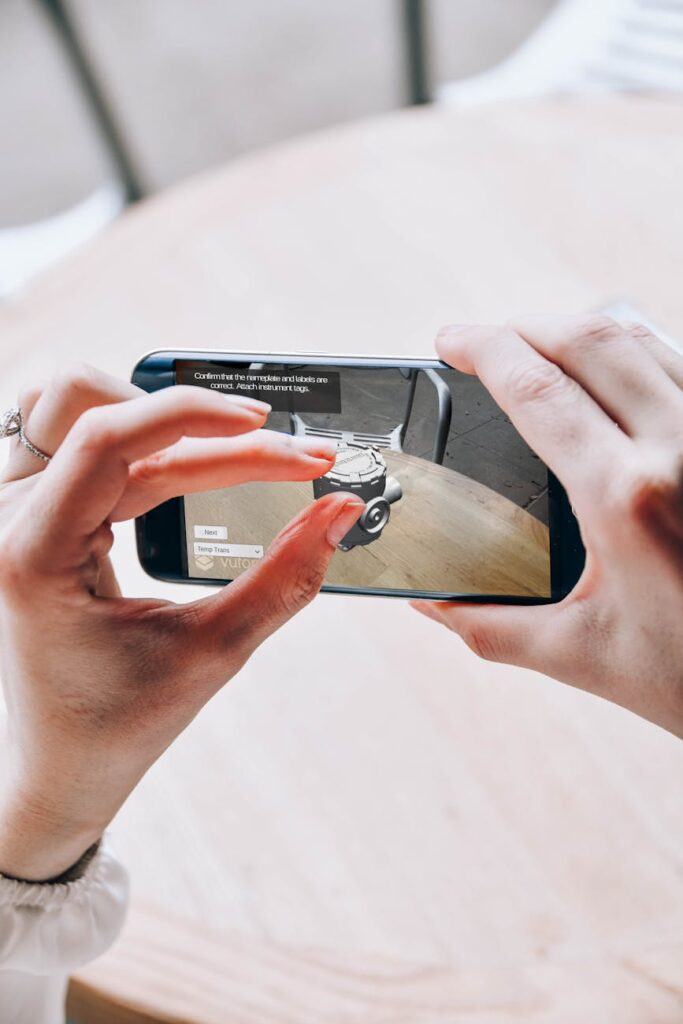
Imagine a world where digital information seamlessly blends with your physical surroundings. That’s the essence of AR. It overlays computer-generated images, sounds, or other sensory input onto the real world, enriching your perception of reality. Think Pokémon GO, where adorable creatures pop up in your local park, or trying on clothes virtually using a retail app. AR enhances your current environment by adding digital layers to it.
- Real-world interaction: AR maintains a connection to the real world. You’re still aware of your physical surroundings and can interact with them.
- Accessibility: AR is often readily accessible through smartphones and tablets, making it a more widespread technology.
- Practical applications: AR has numerous applications in fields like retail, healthcare, education, and navigation.
Virtual Reality: Immersing in a Digital World
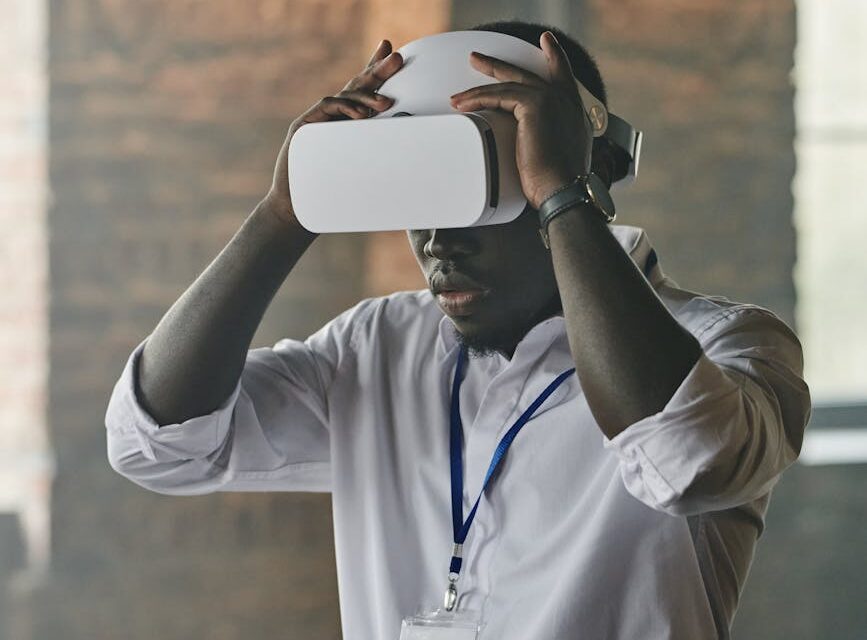
VR, on the other hand, creates a completely immersive experience, transporting you to a different environment entirely. By wearing a VR headset, you’re shut off from the real world and placed within a digitally constructed realm. This could be anything from a tranquil beach to a bustling cityscape or even a fantastical world filled with mythical creatures.
- Total immersion: VR creates a sense of presence, making you feel like you’re truly within the digital environment.
- Sensory engagement: VR typically engages multiple senses, including sight and sound, further enhancing the immersive experience.
- Specialized hardware: VR requires dedicated hardware, such as a headset and often hand controllers, making it less accessible than AR.
Key Differences: A Quick Breakdown
Here’s a table summarizing the core distinctions between AR and VR:
| Feature | Augmented Reality (AR) | Virtual Reality (VR) |
|---|---|---|
| Environment | Real world with digital overlays | Completely digital environment |
| Immersion | Partial | Total |
| Hardware | Smartphones, tablets, AR glasses | VR headsets, controllers |
| Interaction | Interacts with real world | Interacts within virtual world |
Real-World Applications: Where AR and VR Shine
AR in Action:
- Retail: Try before you buy with virtual try-on experiences for clothes, furniture, and makeup.
- Healthcare: Surgeons use AR for pre-operative planning and during complex procedures. AR apps also aid in patient education and rehabilitation.
- Education: Interactive learning experiences bring textbooks to life, allowing students to explore historical sites or dissect virtual organisms.
VR in Action:
- Gaming: Immerse yourself in breathtaking gaming worlds and experience interactive storytelling like never before.
- Training and Simulation: From flight simulators to virtual surgery practice, VR provides a safe and effective training environment.
- Therapy: VR is used to treat phobias, anxiety disorders, and PTSD by creating controlled exposure therapy environments.
The Future of AR and VR: A Glimpse into Tomorrow
Both AR and VR are rapidly evolving technologies. We can expect to see lighter, more powerful headsets, more seamless integration with other technologies, and entirely new applications emerge. The line between the physical and digital worlds will continue to blur, offering exciting possibilities for entertainment, education, work, and communication.
“The future is already here — it’s just not very evenly distributed.” – William Gibson
From interactive storytelling experiences to personalized learning environments, AR and VR have the potential to reshape how we interact with the world around us and the worlds within our imaginations.
Beyond AR and VR: Mixed Reality (MR)
While AR overlays digital content onto the real world and VR immerses you in a digital environment, mixed reality (MR) combines aspects of both. MR allows digital objects to interact with the real world and vice versa. Imagine playing a game where virtual characters hide behind your real furniture or using your hands to manipulate holographic designs. MR represents the next stage in the evolution of immersive technologies, blending the physical and digital worlds seamlessly.


 The Ethics of AI Content: Bias, Truth, and Ownership
  Serverless Architecture: The Ultimate Guide for Developers
  AI Translating Ancient Texts: A Digital Rosetta Stone
  Improving Mental Health Diagnostics with Technology
  How Tech Creates More Inclusive Banking for All
  Beyond Passwords: The Future of Authentication Is Here
  Backtest Crypto Trading Strategies: A Complete Guide
  NFT Standards: A Cross-Chain Guide for Creators & Collectors
  Decentralized Storage: IPFS & Arweave Explained Simply
  How to Calculate Cryptocurrency Taxes: A Simple Guide
  Your Guide to Music NFTs & Top Platforms for 2024
  TradingView for Crypto: The Ultimate Trader’s Guide