

 Business Suite
Understanding Property Tax Assessments and How to Appeal Inflated Values
What is a Property Tax Assessment?
Understanding property tax assessments is crucial for homeowners. This process determines the taxable value of your real estate.
Table of Contents
- What is a Property Tax Assessment?
- How Property Tax Assessments Work
- Key Factors Influencing Your Property’s Assessed Value
- The Assessment Notice: What to Look For
- Understanding Property Tax Assessments and Common Errors
- When and How to Appeal Your Property Tax Assessment
- The Property Tax Appeal Process: Step-by-Step
- Understanding Property Tax Assessments: Key Takeaways
- Common Reasons for an Inflated Property Tax Assessment
- Proactive Strategies for Managing Property Taxes
- The Importance of Timeliness in Property Tax Appeals
- Navigating the Future of Property Tax Assessments
Local government agencies, like county assessors, conduct these assessments. They use various methods to estimate your property’s market value.
The assessment is the foundation for your annual property tax bill. Higher assessments generally lead to higher tax liabilities.
How Property Tax Assessments Work
Property tax assessments are not arbitrary. They are based on established valuation methodologies. Assessors typically consider recent sales of comparable properties in your area.
They also factor in the property’s size, condition, features, and any improvements made. Zoning laws and the economic conditions of the neighborhood play a role too.
The goal is to arrive at a fair market value that reflects what a willing buyer would pay a willing seller. This value is then multiplied by a specific assessment ratio to arrive at the assessed value.
Key Factors Influencing Your Property’s Assessed Value
Several elements contribute to your property’s assessed value. Understanding these can help you identify potential inaccuracies.
Recent Sales Data: The most significant factor is often the sale price of similar homes. Assessors look for “comps” that are close in location, size, age, and features.
Property Characteristics: The square footage of your home, the number of bedrooms and bathrooms, lot size, and any unique features (like a pool or a finished basement) are all considered.
Condition and Upgrades: A well-maintained home with recent renovations will likely be assessed higher than a property in disrepair or one with original fixtures.
Zoning and Land Use: The designated use of your land and any restrictions can influence its value. For example, residential zoning differs from commercial zoning.
Economic Conditions: Broader economic trends, such as interest rates and local job growth, can impact real estate values and thus assessments.

The Assessment Notice: What to Look For
You will typically receive an annual notice from your local assessor’s office. This document details your property’s assessed value.
Carefully review this notice for any discrepancies. Errors in the data can lead to an inflated tax bill.
Check the property description, lot size, square footage, and the details of any structures. Ensure all information accurately reflects your property.
Understanding Property Tax Assessments and Common Errors
Even with established methods, errors can occur in understanding property tax assessments. These might include incorrect square footage, missing features, or outdated comparable sales.
One common mistake is when an assessor uses sales data from a period when the market was peaking. This can result in an assessment that doesn’t reflect current market realities.
Another issue is a failure to account for deferred maintenance or damage. If your home has significant repair needs, this should be reflected in its value.
When and How to Appeal Your Property Tax Assessment
If you believe your property tax assessment is too high, you have the right to appeal. The appeal process varies by jurisdiction, but there are common steps.
Review Your Assessment Notice: This is your first step. Understand the value and the basis for it, as stated on the notice.
Gather Evidence: This is the most critical part of a successful appeal. You need to build a strong case demonstrating why your assessment is inaccurate.
Consult Professionals: Consider talking to a real estate agent or appraiser. They can provide a professional opinion of your property’s value.
Understand Deadlines: Each taxing authority has strict deadlines for filing appeals. Missing these deadlines means you forfeit your right to challenge the assessment for that year.
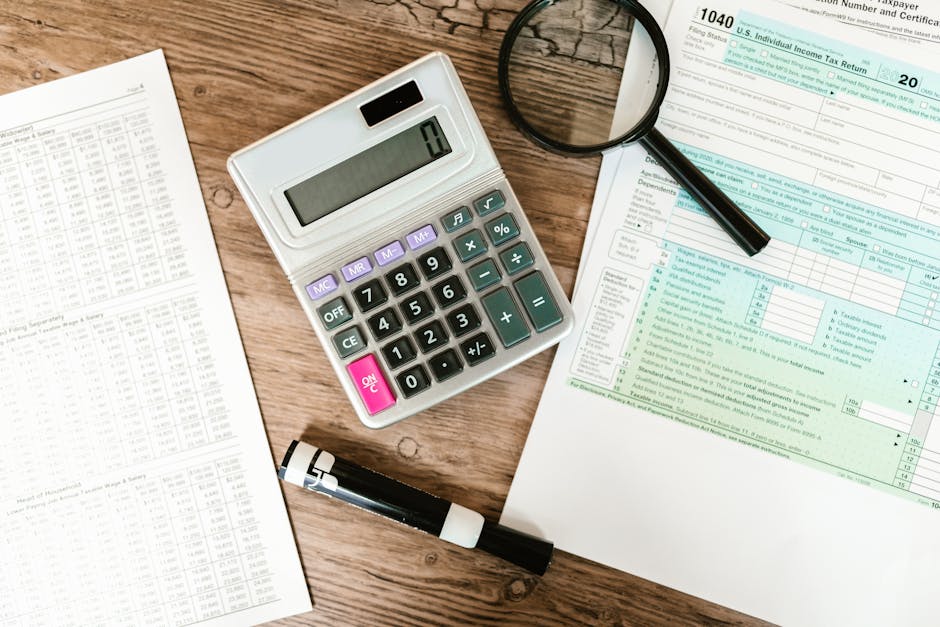
Gathering Evidence for Your Appeal
Your appeal will be stronger with solid evidence. This documentation proves your property’s true market value.
Comparable Sales (Comps): Find recent sales of similar properties in your neighborhood. Look for homes that sold for less than your assessed value and share similar characteristics.
Professional Appraisal: Obtain an independent appraisal of your property. This report from a licensed appraiser can be powerful evidence.
Photos of Condition: Document any structural issues, needed repairs, or outdated features. Photos can visually support your claim of lower value.
Property Record Card: Obtain a copy of your property’s record card from the assessor’s office. Check it for factual errors in size, features, or age.
Market Trend Data: If recent market trends show declining values, gather data to support this. This can include local real estate market reports.
The Property Tax Appeal Process: Step-by-Step
The appeal process usually begins with an informal review or a formal hearing. Familiarize yourself with your local assessor’s procedures.
Step 1: Informal Review/Meeting: Many jurisdictions allow or require an initial meeting with the assessor to discuss your concerns. Bring your evidence.
Step 2: Formal Appeal: If the informal review doesn’t resolve the issue, you can file a formal appeal. This often goes before a local board of equalization or review.
Step 3: Hearing: You will have an opportunity to present your case and evidence to the board. State your argument clearly and concisely.
Step 4: Decision: The board will review all evidence and make a decision on your assessment. You will be notified of their ruling.
Step 5: Further Appeals: If you are still unsatisfied, you may have options to appeal to higher courts or state-level bodies, depending on your location.

Understanding Property Tax Assessments: Key Takeaways
Accurate property tax assessments are vital for fair taxation. Homeowners should actively participate in the process.
Regularly review your assessment notices. Don’t hesitate to question values you believe are incorrect.
Gathering comprehensive evidence is key to a successful appeal. This diligence can lead to significant tax savings.
By understanding how property tax assessments are made, you empower yourself to advocate for a fair valuation of your home.
Common Reasons for an Inflated Property Tax Assessment
Several factors can contribute to an inflated property tax assessment. Recognizing these can help you prepare for an appeal.
Outdated Comparable Sales: The assessor might be using sales data from a hotter market period. This is especially common if the market has cooled since then.
Incorrect Property Characteristics: Errors in square footage, lot size, or the number of rooms are frequent. Sometimes, features like a finished basement are missed or overestimated.
Lack of Consideration for Property Condition: The assessment might not account for significant deferred maintenance, structural issues, or the need for major renovations.
Newer or Overestimated Improvements: If you’ve made renovations, the assessor might overestimate their impact on market value or not account for depreciation.
Mass Appraisal Limitations: Assessors often use mass appraisal systems. While efficient, these systems may not capture the unique nuances of every individual property.

Proactive Strategies for Managing Property Taxes
Beyond appealing, several proactive strategies can help manage your property tax burden.
Stay Informed: Keep abreast of local tax laws and assessment cycles. Knowing when notices are sent and deadlines approach is crucial.
Home Improvements Documentation: When you undertake renovations, keep detailed records. This includes receipts, permits, and photos, which can be useful for future assessments.
Understand Exemptions: Many jurisdictions offer property tax exemptions for seniors, veterans, or disabled individuals. Ensure you are taking advantage of any eligible exemptions.
Budgeting: Factor your property taxes into your annual household budget. This helps avoid surprises and financial strain.
Consider Tax Consulting: For complex properties or significant tax liabilities, a property tax consultant can offer expert guidance and representation.
The Importance of Timeliness in Property Tax Appeals
Missing deadlines for property tax appeals can have serious consequences. You typically lose the opportunity to contest the assessed value for the entire tax year.
Ensure you mark appeal deadlines on your calendar immediately upon receiving your assessment notice.
Allow ample time for gathering evidence. Professional appraisals and research on comparable sales take time.
Procrastination can undermine even the strongest appeal. Start the process early to maximize your chances of success.
Technology is increasingly playing a role in property tax assessments. Artificial intelligence and advanced data analytics are becoming more common.
While these tools aim for greater accuracy and efficiency, they also highlight the importance of human oversight. Homeowners must remain vigilant.
Future assessment trends may involve more frequent valuations or the use of more granular data. Staying educated on these shifts is essential.
By understanding the fundamentals and actively participating, homeowners can ensure fair property taxation for years to come.

