

 MMM
MMM Supply Chain 101: From Sourcing to Delivery
Ever wondered how that shiny new gadget landed in your hands? Or how your morning coffee beans made their way from a far-off farm to your local cafe? It’s all thanks to the intricate dance of the supply chain. This guide will break down the supply chain basics, taking you on a journey from sourcing raw materials all the way to final delivery. Whether you’re a seasoned business owner or just curious about the world around you, understanding the fundamentals of supply chain management is crucial in today’s interconnected world.
What is a Supply Chain?
Simply put, a supply chain is the network of all the individuals, organizations, resources, activities, and technology involved in creating and selling a product. Think of it like a relay race, with each participant passing the baton (your product) onto the next until it reaches the finish line (your customer). It encompasses everything from the initial sourcing of raw materials to manufacturing, warehousing, transportation, and ultimately, delivery to the end consumer.
Key Stages in the Supply Chain
1. Sourcing: Finding the Right Ingredients
Sourcing is where it all begins. It’s the process of identifying and selecting suppliers who can provide the necessary raw materials or components for your product. Imagine a chef carefully selecting the freshest vegetables for their signature dish. That’s essentially what sourcing is all about – finding the best quality ingredients at the best possible price. One time, I was working with a furniture company that sourced its wood from sustainable forests in South America. Their commitment to responsible sourcing not only ensured high-quality products but also resonated deeply with their environmentally conscious customers.
2. Procurement: Making the Deal
Once you’ve identified your suppliers, procurement takes over. This stage involves negotiating contracts, placing orders, and managing the relationship with your suppliers. Think of procurement as the art of deal-making. It’s about securing the best possible terms while maintaining a strong and mutually beneficial relationship with your suppliers.
3. Manufacturing: Bringing Your Product to Life
This is where the magic happens! Manufacturing involves transforming raw materials or components into finished goods. This could involve anything from assembling parts in a factory to brewing coffee beans at a roastery. The efficiency and effectiveness of your manufacturing process directly impact the quality and cost of your final product.
4. Warehousing: Keeping Your Goods Safe and Sound
After manufacturing, your finished goods need a place to stay before they’re shipped out. This is where warehousing comes in. Warehouses are facilities designed to store, manage, and protect your inventory. A well-managed warehouse ensures that your products are readily available when needed and are kept in optimal condition.
5. Inventory Management: Balancing Supply and Demand
Imagine having too much inventory sitting on your shelves, tying up valuable capital. Or worse, running out of stock and disappointing your customers. Effective inventory management strikes the perfect balance between supply and demand. It involves forecasting demand, tracking inventory levels, and optimizing order quantities to minimize costs and maximize availability.
6. Logistics and Transportation: Getting Your Products Moving
Logistics encompasses the entire process of planning, implementing, and controlling the efficient and effective flow and storage of goods, services, and related information from the point of origin to the point of consumption. This includes selecting the right transportation modes (trucks, ships, planes, etc.), optimizing routes, and managing the movement of goods across borders.
7. Last-Mile Delivery: The Final Stretch
Last-mile delivery is the final leg of the journey, where your product travels from a distribution center or warehouse to the customer’s doorstep. It’s often the most complex and expensive part of the supply chain, but also the most critical for customer satisfaction. Think about the frustration of a delayed package or a missed delivery. Getting this last step right is crucial for building customer loyalty.
Optimizing Your Supply Chain: Best Practices
Optimizing your supply chain is all about efficiency, responsiveness, and resilience. Here are some key strategies to consider:
- Embrace technology: Implement supply chain management software to streamline processes and gain better visibility.
- Build strong relationships with your suppliers: Collaboration is key to a successful supply chain.
- Focus on continuous improvement: Regularly evaluate your processes and identify areas for optimization.
- Prioritize risk management: Develop contingency plans to mitigate potential disruptions.
Understanding Supply Chain Basics: A Competitive Advantage
Mastering supply chain basics isn’t just about logistics; it’s about gaining a competitive edge in today’s dynamic market. A well-oiled supply chain can reduce costs, improve efficiency, enhance customer satisfaction, and ultimately drive business growth. In today’s rapidly evolving global landscape, adapting to changing market conditions and mitigating risk is paramount.
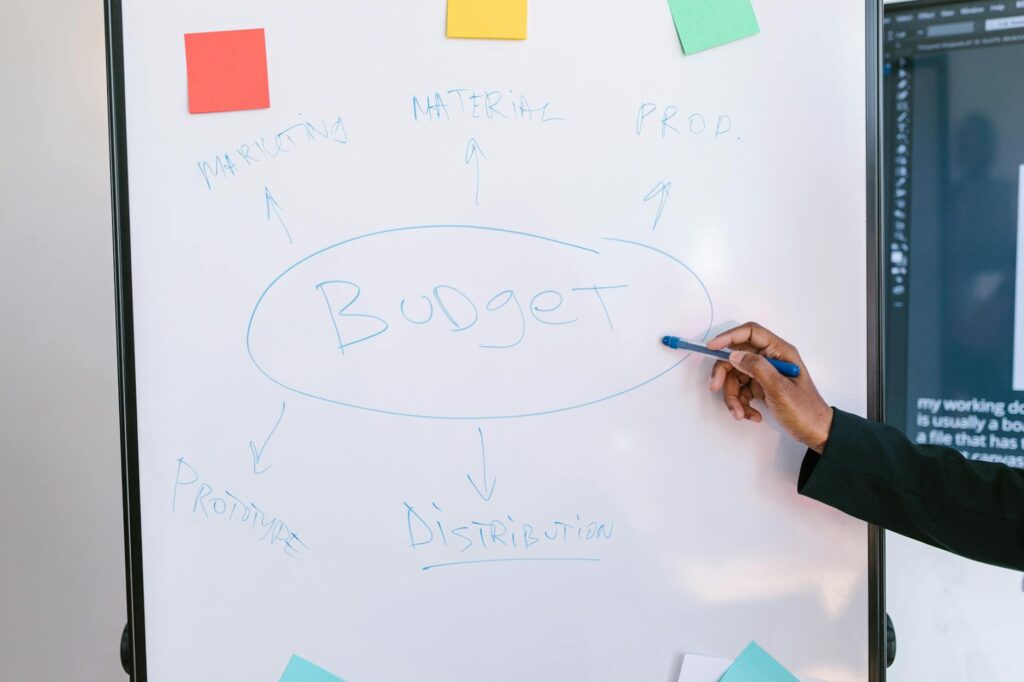
A robust and agile supply chain is no longer a luxury, but a necessity for survival.
The Future of Supply Chain Management
With advancements in technology, the supply chain landscape is constantly evolving. Trends like artificial intelligence, blockchain, and the Internet of Things are transforming the way businesses manage their supply chains.
Embracing these innovations will be crucial for staying ahead of the curve and building a truly resilient and future-proof supply chain.
So, there you have it – a whirlwind tour of the supply chain. From sourcing raw materials to delivering the finished product, every step plays a vital role. By understanding the fundamentals and embracing best practices, businesses can unlock the full potential of their supply chains and thrive in today’s competitive marketplace.


 Digital Twins in Manufacturing: A Revolution in Production
  Boost CX with Augmented Reality: Your Ultimate Guide
  Headless Commerce Explained: Is It Right for Your Brand?
  Quantum Computing’s Potential: A Business Guide
  Prepare Your Business for a Black Swan Event: A Guide
  Build a Business That Runs Without You: A Founder’s Guide
  Backtest Crypto Trading Strategies: A Complete Guide
  NFT Standards: A Cross-Chain Guide for Creators & Collectors
  Decentralized Storage: IPFS & Arweave Explained Simply
  How to Calculate Cryptocurrency Taxes: A Simple Guide
  Your Guide to Music NFTs & Top Platforms for 2024
  TradingView for Crypto: The Ultimate Trader’s Guide