

 MMM
MMM The Sneaky Saboteurs in Your Pantry: Unpacking the Real Dangers of Processed Foods
Let’s be honest, we all have them. That box of mac and cheese for a frantic Tuesday night. The bag of chips that just calls your name during a movie. The frozen pizza that feels like a lifesaver after a long week. These convenient items are staples in modern life, but have you ever stopped to wonder what they’re really doing to your body? The conversation around the dangers of processed foods isn’t about fear-mongering; it’s about empowerment. It’s about understanding what you’re eating so you can make choices that help you feel your best, not just for today, but for the long haul.
We’re living in an era of unprecedented convenience, but it often comes at a nutritional cost. The shelves of our grocery stores are lined with products designed for maximum shelf life and palatability, not necessarily maximum health. It’s a complex issue, and it’s not as simple as saying all packaged food is ‘bad.’ But a significant portion of what’s available falls into a category that researchers are increasingly linking to a host of health problems. This isn’t about guilt. It’s about knowledge. So, let’s pull back the curtain on these pantry staples and get real about what they’re made of and how they affect us.
Key Takeaways
- Not all processed foods are created equal; they exist on a spectrum from minimally processed (bagged spinach) to ultra-processed (frozen dinners).
- Ultra-processed foods are often high in added sugar, unhealthy fats, and sodium, which are linked to chronic health issues.
- These foods are specifically engineered to be hyper-palatable, making them easy to overeat and potentially addictive.
- They are typically low in essential nutrients like fiber, vitamins, and minerals, leading to a diet of “empty calories.”
- Making simple swaps and learning to read ingredient lists are powerful first steps to reducing your intake and improving your health.
First, What Exactly Counts as ‘Processed Food’?
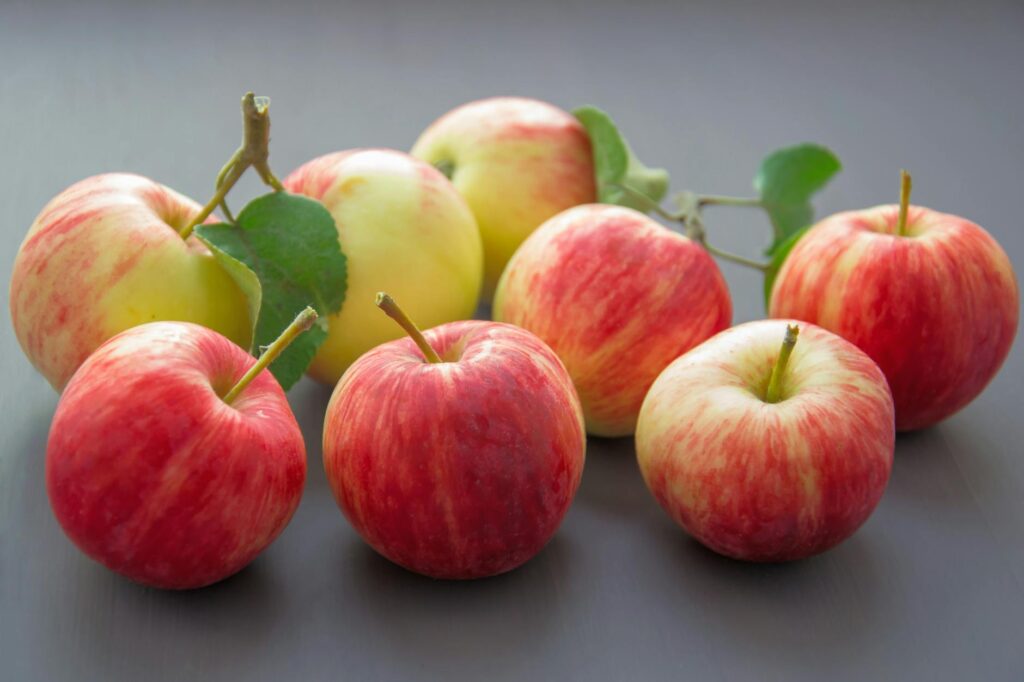
The term ‘processed food’ gets thrown around a lot, and it can be confusing. Technically, any food that has been altered from its natural state is processed. Slicing an apple? That’s processing. Roasting almonds? Processing. The key isn’t to avoid all processing, but to understand the different levels.
Food processing exists on a spectrum. Nutrition scientists often use a system called NOVA classification to categorize foods:
- Group 1: Unprocessed or Minimally Processed Foods. This is food in its most natural state. Think fresh fruits and vegetables, eggs, nuts, seeds, and whole grains. Minimally processed items might be washed, cut, or frozen to preserve them, like a bag of frozen berries or pre-chopped broccoli. These are the foundation of a healthy diet.
- Group 2: Processed Culinary Ingredients. These are ingredients derived from Group 1 foods through processes like pressing, refining, or grinding. Think olive oil, butter, sugar, and salt. You use these to cook and season your minimally processed foods.
- Group 3: Processed Foods. This is where it gets a little more complex. These are typically made by combining foods from Group 1 and Group 2. The goal is usually to increase durability or enhance flavor. Examples include canned fish in oil, freshly baked bread from a bakery, and simple cheeses. They still contain recognizable ingredients.
- Group 4: Ultra-Processed Foods. This is the category we’re most concerned about. These aren’t just modified foods; they are industrial formulations. They typically contain five or more ingredients, many of which you wouldn’t find in a home kitchen (think high-fructose corn syrup, hydrogenated oils, flavor enhancers, and artificial colors). These products are designed for convenience, intense flavor, and long shelf life. This group includes things like soda, sugary cereals, packaged cookies, instant noodles, frozen pizzas, and most fast food.
When we talk about the dangers of processed foods, we’re almost always referring to that last category: the ultra-processed stuff. It’s the difference between a can of chickpeas (processed) and a bag of chickpea-flour-based cheese puffs (ultra-processed).

The Hidden Health Risks of an Ultra-Processed Diet
So, why is this category of food so problematic? It’s not just one thing, but a perfect storm of nutritional negatives that can have a profound impact on your body, both inside and out. It’s a gradual erosion of health that can go unnoticed for years until symptoms of chronic illness begin to appear.
Sky-High in Unhealthy Fats, Sugar, and Sodium
This is the unholy trinity of ultra-processed foods. Manufacturers use them in vast quantities to make products taste amazing and last forever on the shelf. Let’s break it down:
- Added Sugar: We’re not talking about the natural sugar in an apple. We’re talking about refined sugars and syrups like high-fructose corn syrup. They provide a quick hit of energy and pleasure but are linked to insulin resistance, type 2 diabetes, fatty liver disease, and, of course, weight gain. It’s hiding everywhere, from pasta sauce to salad dressing.
- Unhealthy Fats: Many processed items rely on industrial seed oils (like soybean or corn oil) and partially hydrogenated oils (trans fats). These fats can promote chronic inflammation, which is a root cause of nearly every major disease, including heart disease and arthritis. They’re cheap, stable, and give foods a satisfying texture, but your arteries pay the price.
- Sodium: While sodium is an essential mineral, the amounts found in processed foods are staggering. It’s used as a preservative and a flavor enhancer. A diet consistently high in sodium can lead to high blood pressure, putting you at a significantly higher risk for heart attack and stroke. That single frozen meal can often contain more than half of your recommended daily sodium intake. Yikes.
A Recipe for Weight Gain and Obesity
Have you ever noticed how you can eat an entire bag of chips and not feel full, but a small bowl of oatmeal and berries can keep you satisfied for hours? There’s a reason for that. Ultra-processed foods are typically very low in fiber and protein, the two nutrients most responsible for satiety—the feeling of fullness.
Because they are calorie-dense but nutrient-poor, you can consume a huge number of calories without your body’s ‘I’m full’ signals ever kicking in. This, combined with their hyper-palatable nature, makes overeating almost inevitable. A 2019 study by the National Institutes of Health (NIH) was groundbreaking. Researchers found that when people were given an ultra-processed diet, they ate about 500 calories more per day and gained more weight compared to when they were given an unprocessed diet, even though the meals were matched for calories, sugar, fat, and fiber. The food itself seemed to drive overconsumption.
The Link to Chronic Diseases
The long-term consequences of a diet rich in ultra-processed foods are well-documented and frankly, pretty scary. It’s a direct pathway to some of our most prevalent and devastating chronic conditions.
- Heart Disease & Stroke: The combination of high sodium, unhealthy fats, and sugar is a triple threat to your cardiovascular system. It raises blood pressure, increases ‘bad’ LDL cholesterol, and contributes to inflammation in the arteries.
- Type 2 Diabetes: The constant barrage of refined carbohydrates and sugar overwhelms your body’s insulin response. Over time, your cells can become resistant to insulin, leading to chronically high blood sugar levels and, eventually, type 2 diabetes.
- Certain Cancers: While the link is still being studied, several large-scale observational studies have found a correlation between high consumption of ultra-processed foods and an increased risk of certain cancers, particularly colorectal cancer. The exact mechanisms are unclear but may be related to inflammatory ingredients and a lack of protective nutrients.
Gut Health on the Fritz
Your gut is home to trillions of bacteria, collectively known as your microbiome. This complex ecosystem is crucial for digestion, immune function, and even mental health. A healthy microbiome thrives on fiber from whole plant foods. Ultra-processed foods, on the other hand, are the enemy of a healthy gut.
They are devoid of the fiber your good gut bacteria need to flourish. Worse, ingredients like artificial sweeteners and emulsifiers (used to improve texture) have been shown to disrupt the delicate balance of the gut microbiome, potentially leading to a state of ‘dysbiosis.’ This imbalance can cause inflammation, leaky gut syndrome, and a weakened immune system. It’s like trying to grow a beautiful garden but only giving it soda and artificial fertilizer.
Addictive by Design: The ‘Blisspoint’
This is perhaps one of the most insidious dangers. Food scientists spend millions of dollars to engineer these products to be irresistible. They meticulously calculate the perfect combination of salt, sugar, and fat to hit something called the ‘blisspoint.’
This isn’t just about making food taste good; it’s about creating a sensory experience that bypasses your body’s natural fullness cues and lights up the reward centers in your brain, much like addictive drugs do. The crunch of the chip, the way the soda fizzes, the melt-in-your-mouth texture of a pastry—it’s all by design.
This explains why it can feel physically difficult to stop eating certain foods once you start. Your brain’s reward system is being hijacked, creating a cycle of craving and consumption that can feel a lot like a true addiction. It’s not a lack of willpower; you’re up against a product that was scientifically designed to make you want more.
Nutrient-Void and Full of ‘Empty Calories’
During the intense manufacturing process, many of the natural vitamins, minerals, and phytonutrients present in the original ingredients are stripped away. What you’re left with are ’empty calories’—calories that provide energy but very little of the other stuff your body needs to function optimally.
You can be overfed and undernourished at the same time. A diet high in processed foods can leave you deficient in crucial nutrients like potassium, magnesium, vitamin C, and fiber, even if you’re consuming more than enough calories. This can lead to fatigue, brain fog, a weakened immune system, and a general feeling of being unwell.
How to Spot and Avoid Ultra-Processed Foods
Okay, enough of the scary stuff. The good news is that you have all the power here. Reducing your reliance on these foods is one of the most impactful things you can do for your health. It’s not about perfection; it’s about making small, consistent changes.
Reading the Ingredient List Like a Pro
The front of the package is marketing. It’s full of buzzwords like ‘natural,’ ‘multigrain,’ or ‘made with real fruit.’ Ignore it. The truth is on the back, in the ingredient list. Here are some red flags to look for:
- A very long list: If it has more than 5-7 ingredients, be suspicious.
- Ingredients you can’t pronounce: Things like maltodextrin, sodium phosphate, or butylated hydroxytoluene are a clear sign it’s an ultra-processed formulation.
- Multiple types of sugar: Manufacturers hide sugar under many names (corn syrup, dextrose, fructose, malt syrup). If you see several in the first few ingredients, put it back.
- ‘Hydrogenated’ or ‘Partially Hydrogenated’ oils: These are trans fats. Avoid them completely.
Simple Swaps for a Healthier Pantry
You don’t have to overhaul your entire life overnight. Start with simple swaps:
- Instead of sugary breakfast cereal, try oatmeal with fresh berries and nuts.
- Instead of a packaged granola bar, grab an apple and a handful of almonds.
- Instead of bottled salad dressing, whisk together olive oil, lemon juice, and a little salt and pepper.
- Instead of instant ramen, cook whole-wheat pasta and toss it with a simple tomato sauce and some vegetables.
- Instead of potato chips, try air-popped popcorn seasoned with your own spices.
Conclusion: Taking Back Control of Your Plate
The journey away from a diet high in processed foods is a marathon, not a sprint. It’s about progress, not perfection. The goal isn’t to live a life of perfect purity where you never enjoy a treat again. It’s about shifting the balance. It’s about making whole, minimally processed foods the foundation of your diet—the 80% or 90%—so that the occasional indulgence is just that: an occasion.
By understanding the very real dangers of processed foods, you arm yourself with the knowledge to navigate the grocery store with confidence. You start to see food not just as a source of convenience or fleeting pleasure, but as the fundamental building block of your health and vitality. Every choice to cook a simple meal at home, to grab a piece of fruit instead of a candy bar, or to read an ingredient label is a powerful step toward a healthier, more vibrant you.


 The Science of Intermittent Fasting: What Happens To You?
  Why Processed Foods Are Harming Your Health
  Top Sources of Plant-Based Protein: A Complete Guide
  Sugar’s Impact on Your Body & Brain: The Hidden Truth
  How Sugar Affects Your Body & Brain: The Unsweet Truth
  Discover Top Plant-Based Lifestyle Benefits
  Backtest Crypto Trading Strategies: A Complete Guide
  NFT Standards: A Cross-Chain Guide for Creators & Collectors
  Decentralized Storage: IPFS & Arweave Explained Simply
  How to Calculate Cryptocurrency Taxes: A Simple Guide
  Your Guide to Music NFTs & Top Platforms for 2024
  TradingView for Crypto: The Ultimate Trader’s Guide