

 MMM
MMM Feeling Sluggish? You Might Just Be Thirsty.
Let’s be honest. We’ve all had those days. You wake up feeling like you’ve been hit by a bus, even after a full night’s sleep. Your head is foggy, your focus is shot, and that afternoon slump hits you like a ton of bricks. You reach for another cup of coffee, thinking it’s the only answer. But what if the solution isn’t more caffeine, but something much simpler? What if the key to unlocking more energy, better focus, and overall well-being is just… water? It sounds too simple to be true, but mastering the art of staying hydrated is one of the most powerful and transformative things you can do for your health. It’s not about chugging a gallon of water before bed; it’s about building small, consistent habits that keep you topped up all day long. And I’m here to show you exactly how to do it.
Key Takeaways
- Hydration is foundational: It impacts everything from your energy levels and cognitive function to skin health and digestion.
- Listen to your body, not just thirst: Look for early signs of dehydration like fatigue, headaches, and mood changes. Thirst is a late signal.
- Make it easy and appealing: Carry a bottle you love, infuse your water with fruit, and eat water-rich foods.
- It’s not a one-size-fits-all rule: Your hydration needs depend on your activity level, climate, and personal health.
So, Why Is Hydration Such a Big Deal Anyway?
We hear it all the time: “Drink more water!” But why? What’s actually happening inside our bodies that makes this simple liquid so crucial? Think of your body as a high-performance engine. Water is the coolant, the oil, and the fuel delivery system all in one. Our bodies are made up of about 60% water, and every single system relies on it to function correctly.
When you’re properly hydrated, your cells get the oxygen and nutrients they need. Your brain, which is about 75% water, can fire on all cylinders. This translates to better focus, sharper memory, and a more stable mood. Ever get a tension headache out of nowhere? Dehydration is a very common trigger because it can cause the brain to temporarily shrink away from the skull. Yikes. But a glass or two of water can often relieve it faster than a painkiller.
Then there’s your energy. Water is essential for metabolic processes that convert food into energy. Even mild dehydration can slow your metabolism down, making you feel sluggish and tired. It also helps regulate your body temperature through sweat, lubricates your joints, and is absolutely critical for flushing out waste products and toxins through your kidneys. Without enough water, things just get… stuck. Your digestive system becomes sluggish, leading to constipation, and your skin can look dull and dry. In short, from your brain to your bowels, water keeps everything running smoothly.
The Sneaky Signs You’re Already Dehydrated
The most common misconception about hydration is that you should only drink when you feel thirsty. Here’s the truth: thirst is your body’s emergency signal. It means you’re already in a state of dehydration. The goal is to drink consistently throughout the day to avoid ever getting to that point. Your body is constantly sending you subtle little hints long before the thirst alarm goes off. You just need to learn how to listen.
Beyond the Obvious Thirst Cue
- The Color Test: This is one of the easiest and most reliable indicators. Check the color of your urine. Ideally, it should be a pale, lemonade-like yellow. If it’s dark yellow or amber-colored, your body is conserving water and you need to drink up.
- Headaches and Brain Fog: As mentioned, even slight dehydration can cause that dull, persistent headache and make it impossible to concentrate on a task. If you’re struggling to focus, try a glass of water before you reach for a snack or coffee.
- Fatigue and Drowsiness: Feeling that 3 PM slump? It might not be your lunch. Dehydration is a massive energy zapper. Your blood volume decreases, meaning your heart has to work harder to pump oxygen to your muscles and brain.
- Mood Swings and Irritability: Ever feel inexplicably grumpy or anxious? Research has shown a direct link between dehydration and negative moods. Your brain needs water to produce serotonin and other mood-regulating neurotransmitters.
- Dry Mouth and Bad Breath: A dry, sticky feeling in your mouth is a classic sign. Saliva has antibacterial properties, and when you’re dehydrated, you produce less of it, which can lead to an overgrowth of bacteria and, you guessed it, bad breath.
- Sugar Cravings: This one is surprising! When you’re dehydrated, it can be harder for your body to access stored glucose for energy, which can trigger cravings for sweets to get a quick fuel source.
Practical & Painless Tips for Staying Hydrated
Okay, so we know it’s important. But how do we actually make it happen in our busy lives? The key isn’t a massive, drastic overhaul. It’s about integrating small, smart habits into your existing routine. Here are some of my favorite, battle-tested strategies that actually work.
Start Your Day with a Glass (or Two) of Water
This is my number one, non-negotiable tip. Think about it: you’ve just gone 7-8 hours without a single drop of liquid. Your body is naturally dehydrated upon waking. Chugging coffee first thing is like trying to run a marathon with no fuel in the tank. Before you do anything else, drink a big glass of water. I like to add a squeeze of lemon for a little flavor and a vitamin C boost. It wakes up your digestive system, rehydrates your brain, and sets a positive tone for the rest of the day. Keep a glass or bottle right by your bed so it’s the first thing you see.
Become a Bottle Person
Out of sight, out of mind. This is so true for water. If you don’t have water easily accessible, you’re just not going to drink it. Invest in a reusable water bottle that you actually love. Maybe it’s a sleek stainless steel one that keeps your water ice-cold for hours, or a glass one with a silicone sleeve, or a big one with motivational time markers on the side. The specific type doesn’t matter as much as the fact that you carry it with you. Everywhere. To your desk, in the car, to the grocery store. It becomes a visual cue, a constant reminder to take a sip.
Embrace Technology: Set Reminders and Use Apps
Sometimes we just get lost in our work and forget. There’s no shame in that! Use technology to your advantage. Set a recurring alarm on your phone or smartwatch to go off every hour as a gentle nudge to drink. There are also tons of fantastic hydration apps (like Waterllama or HidrateSpark) that can help you track your intake, set goals, and provide fun reminders. Gamifying your hydration can be surprisingly effective.
Eat Your Water: Hydrating Foods Are Your Secret Weapon
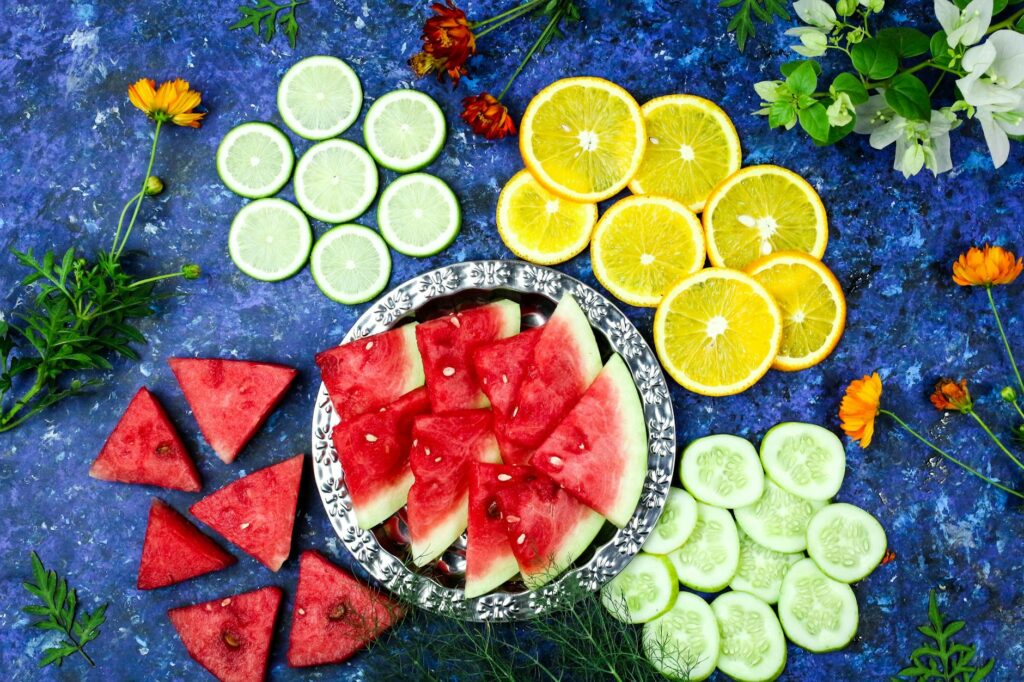
Did you know that about 20% of your daily fluid intake comes from food? This is a game-changer, especially for people who struggle with drinking plain water. By incorporating water-rich foods into your meals and snacks, you’re hydrating without even thinking about it. Some of the best options include:
- Cucumber: 96% water
- Celery: 95% water
- Watermelon: 92% water (the name gives it away!)
- Strawberries: 91% water
- Cantaloupe: 90% water
- Bell Peppers: 92% water
- Zucchini: 95% water
Adding a big salad to your lunch or snacking on watermelon in the afternoon can significantly boost your overall hydration levels.
Make Water Less Boring: The Power of Infusion
Let’s face it, plain water can be… boring. If you find yourself reaching for sugary sodas or juices just for a bit of flavor, infused water is your new best friend. It’s incredibly easy to make, has virtually no calories, and tastes amazing. Get a pitcher or a special infusion bottle and experiment with different combinations. Some popular choices are:
- Lemon, Mint, and Cucumber (super refreshing)
- Strawberry and Basil (a surprisingly delicious combo)
- Orange and Ginger (great for digestion)
- Raspberry and Lime
Just let the ingredients sit in cold water for a few hours in the fridge. It feels like a fancy spa drink and makes hydration feel like a treat, not a chore.
Understand Your Personal Needs (The 8-Glass Rule is a Myth)
The old advice to “drink eight 8-ounce glasses of water a day” isn’t bad advice, but it’s overly simplistic. It’s a decent starting point, but it’s not a universal rule. Your individual needs can vary wildly based on several factors:
Your hydration needs are as unique as you are. Factors like your body weight, activity level, the climate you live in, and your overall health all play a significant role. An athlete training in a hot climate will need vastly more water than a sedentary office worker in a cool environment.
Pay attention to your body. If you’re exercising heavily and sweating a lot, you need to drink more to replace those lost fluids. If you live in a hot or humid climate, your needs increase. The best approach is to use the general guidelines as a base, but ultimately let your body’s signals (like urine color and energy levels) be your guide.
Sip Smartly Around Exercise
Hydration is absolutely crucial for athletic performance and recovery. Don’t wait until you’re in the middle of a workout to start drinking. You should go into it already well-hydrated. A good rule of thumb is:
- Pre-hydrate: Drink about 16-20 ounces of water 2-3 hours before your workout.
- Hydrate During: Sip 7-10 ounces every 10-20 minutes during exercise.
- Rehydrate After: For every pound of body weight you lose through sweat, you need to replenish with about 20-24 ounces of fluid. This is also where electrolytes become important for intense, long-duration exercise.
What About Coffee, Tea, and Other Drinks?
There’s a persistent myth that caffeinated beverages like coffee and tea are dehydrating. While caffeine is a mild diuretic (meaning it makes you pee more), the amount of water in the coffee or tea itself more than compensates for this effect. So yes, your morning cup of coffee does count towards your daily fluid intake. Hurray! However, water should still be your primary source of hydration. Sugary sodas, energy drinks, and excessive fruit juice can actually hinder hydration because your body has to work harder to process the sugar. Stick to water, herbal teas, and the occasional coffee for the best results.
Conclusion: Make Hydration an Effortless Habit
Mastering the art of staying hydrated isn’t about perfection; it’s about progress. It’s about shifting your mindset from seeing water as a chore to seeing it as a fundamental act of self-care. Don’t try to implement all of these tips at once. Pick one or two that resonate with you. Maybe this week you focus on starting your day with a glass of water. Next week, you buy a water bottle you love and start carrying it with you. These small, consistent actions build on each other, creating a powerful habit that will pay you back with more energy, better health, and a clearer mind. Your body is working hard for you every single day. Give it the fuel it needs to thrive. You’ve got this.


 The Hidden Dangers of Processed Foods You Can’t Ignore
  The Science of Intermittent Fasting: What Happens To You?
  Why Processed Foods Are Harming Your Health
  Top Sources of Plant-Based Protein: A Complete Guide
  Sugar’s Impact on Your Body & Brain: The Hidden Truth
  How Sugar Affects Your Body & Brain: The Unsweet Truth
  Backtest Crypto Trading Strategies: A Complete Guide
  NFT Standards: A Cross-Chain Guide for Creators & Collectors
  Decentralized Storage: IPFS & Arweave Explained Simply
  How to Calculate Cryptocurrency Taxes: A Simple Guide
  Your Guide to Music NFTs & Top Platforms for 2024
  TradingView for Crypto: The Ultimate Trader’s Guide