

 MMM
MMM How to Plan a Vacation Around a Total Solar Eclipse
Let’s get one thing straight. A total solar eclipse isn’t just a neat thing to see. It’s not just the sky getting a bit dark for a few minutes. It’s a full-body, multi-sensory event. The temperature drops. The light gets weird, casting eerie, sharp-edged shadows. Birds go silent, thinking night has fallen. Then, for a few precious, fleeting minutes, you see it: the sun’s ethereal corona, a ghostly white crown of fire, flaring out in a way that no picture or video can ever capture. It’s breathtaking. And it’s why planning a solar eclipse vacation is one of the most rewarding, and logistically challenging, travel experiences you can have. But don’t worry. You’ve come to the right place.
Forget just showing up. A successful eclipse trip is a masterclass in preparation. Millions of people will be trying to get to the same narrow strip of land at the same time. But with the right strategy, you can witness one of nature’s greatest spectacles without the stress. This guide is your roadmap.
Key Takeaways
- Plan Far in Advance: Start planning 1-2 years ahead. Accommodations and rental cars in the path of totality book up incredibly fast and prices skyrocket.
- The Path is Everything: You MUST be inside the path of totality to see the main event. Being 99% in is not 99% of the experience; it’s 0% of it.
- Safety First, Always: Never look at the sun without certified solar eclipse glasses or viewers. The only time it’s safe to look without them is during the brief moments of 100% totality.
- Have a Mobility Plan: Weather is the ultimate variable. Have backup viewing locations (Plan B, C, and D) and be ready to drive a few hours on eclipse morning to escape clouds.
- Embrace the Journey: The eclipse itself may only last minutes, but the adventure, the community, and the memories will last a lifetime.
Why You Absolutely Must Experience a Total Solar Eclipse
I know, planning a whole trip around a few minutes of darkness sounds a little crazy. But ask anyone who has stood in the moon’s shadow. They’ll get a faraway look in their eyes and struggle for words. It’s primal. It connects you to the cosmos in a way that staring at stars on a normal night just can’t. You’re witnessing the clockwork of the solar system play out in real-time, right above your head. It’s a profound, humbling, and sometimes emotional experience. People cheer, people cry, people are left speechless. This isn’t just astronomy; it’s a shared human event that transcends culture and language. You owe it to yourself to see one.
The Golden Rule: It’s All About the Path of Totality
If you remember nothing else from this guide, remember this: you must be inside the path of totality. This is non-negotiable. It’s the entire point of the trip.
What is the Path of Totality?
Imagine the moon casting its shadow on the Earth. That shadow is surprisingly small, usually only about 70 to 100 miles wide. As the Earth rotates and the moon orbits, this shadow traces a line across the planet. This line is the path of totality. If you are standing anywhere inside this narrow band, you will see the moon completely block the sun. If you are even one mile outside of it, you will only see a partial eclipse. A 99% partial eclipse might sound cool, but it’s like standing outside a football stadium and hearing the crowd roar for a touchdown. You know something amazing is happening, but you’re not seeing the game. The sky will dim a bit, but you won’t see the corona, you won’t see the 360-degree sunset, and you won’t experience the magic. Get in the path.
How to Find the Path for Upcoming Eclipses
Fortunately, we have incredible tools for this. Websites like NASA’s eclipse page, GreatAmericanEclipse.com, and Time and Date provide detailed interactive maps for all upcoming solar eclipses. You can zoom in on a granular level, seeing exactly which towns, parks, and even specific roads will be in the path. These maps will also show you the duration of totality. The closer you are to the centerline of the path, the longer you’ll be in darkness. Those extra seconds are precious, so aim for the center!
Your Solar Eclipse Vacation Planning Timeline: Start NOW
Procrastination is the enemy of the eclipse chaser. The demand for resources inside that narrow path is immense. Here’s a rough timeline to keep you on track.
1-2 Years Out: The Big Picture
This is the time for broad strokes. Identify the next major total solar eclipse and which countries or states its path will cross. Start your research. Are you looking for a desert climate to minimize cloud risk? An urban center with more amenities? A remote national park for a dramatic backdrop? Decide on a general region. This is also the time to request time off from work and start saving. If you’re considering an organized tour, book it now. They sell out fast.
6-12 Months Out: Booking and Logistics
It’s go-time. This is when you book the big-ticket items. If you haven’t already, book your accommodations NOW. Hotels, Airbnbs, and campsites will already be filling up. Prices will be inflated—that’s just the reality. If you’re flying, book your flights to a major airport near the path. Then, immediately book your rental car. This is the piece people often forget until it’s too late. There will be a massive rental car shortage in the days leading up to the eclipse. Get yours locked in.
1-3 Months Out: The Finer Details
Now, focus on the gear and the micro-plan. Order your certified solar eclipse glasses. Don’t wait. Look for glasses that meet the ISO 12312-2 international safety standard. Reputable vendors include Rainbow Symphony and American Paper Optics. Use your detailed maps to select your primary viewing spot (Plan A) and at least two or three backup locations (Plans B, C, and D) in different directions to account for weather. Plan your driving routes, and then plan alternate routes in case of traffic. And there will be traffic.
The Week Of: Final Preparations
Start obsessively checking weather forecasts for your chosen locations. Pack your bags, including your eclipse day kit (more on that below). If you’re driving, get your car serviced and fill up the tank with gas. Download offline maps of the area to your phone, as cell service may be overwhelmed on eclipse day. Go grocery shopping for snacks, water, and a picnic lunch. The goal is to be completely self-sufficient on the day of the event.

Choosing Your Viewing Spot: More Than Just a Dot on a Map
Where you watch the eclipse can dramatically shape your experience. There’s no single “best” place; it’s about what’s best for you.
City Bustle vs. Rural Serenity
Watching from a city or a designated public event can be incredibly fun. There’s a festival-like atmosphere, access to amenities like restrooms and food, and the shared energy of a huge crowd is electric. The downside? Crowds, traffic, and potentially obstructed views. A rural location, on the other hand, offers peace, quiet, and a deeper connection with the natural phenomena you’re witnessing. The trade-off is a lack of services. You’ll need to be completely self-sufficient.
Consider Weather and Climate
The single biggest threat to your eclipse experience is clouds. A cloudy sky on eclipse day is utterly heartbreaking. When choosing a region a year out, research its historical climate data for that specific date. A desert in Mexico will, statistically, have a much lower chance of cloud cover than a forest in New England. This research is a crucial first step.
Backup Plans are Non-Negotiable
I can’t stress this enough. Have a mobility plan. In the final days before the eclipse, watch the weather forecasts like a hawk. If your Plan A location looks cloudy, you need to be emotionally and logistically prepared to get in your car and drive. Your backup spots should be a few hours’ drive away, hopefully under a different weather system. The people who see the eclipse are often the ones willing to move on the morning of.
“The number one mistake first-time eclipse viewers make is underestimating the competition for resources. By the time you think ‘I should probably book a hotel,’ thousands of others have already done it. Book everything the moment you decide to go.”
Getting There and Staying There: The Great Eclipse Scramble
The logistics of moving a massive population into a narrow geographic band are tricky. Flying is great for covering long distances, but choose your destination airport wisely. Flying directly into a small, regional airport within the path might seem smart, but it could be a chaotic bottleneck. Consider a larger hub a 4-5 hour drive away and enjoy the road trip. This also gives you more flexibility if you need to relocate for weather.
The road trip option offers the ultimate freedom. You can pack more gear, and you are inherently mobile to chase clear skies. But be prepared for traffic. We’re not talking about normal rush hour; we’re talking about potentially historic gridlock, especially on the roads leading out of the path immediately after the eclipse ends. The best strategy? Don’t leave right away. Linger for a few hours. Have a picnic dinner. Let the worst of the traffic clear out. Or better yet, book your accommodations for the night *after* the eclipse so you can leave leisurely the next morning.
Packing Essentials for Your Eclipse Adventure
Aside from your normal travel clothes, you need a specialized eclipse day kit. Here’s what should be in it.
The MUST-HAVE: Certified Eclipse Glasses
This is a safety issue. Staring at any part of the partially eclipsed sun without proper protection can cause permanent eye damage. Regular sunglasses are not safe. Your eclipse glasses should be stamped with the “ISO 12312-2” code. Test them beforehand: you shouldn’t be able to see anything through them except for the sun itself. Buy from a reputable source, as counterfeits can be a problem.
Beyond the Glasses: Your Eclipse Day Kit
Think of this as a self-sufficiency pack. On eclipse day, you want to get to your spot and not have to leave for any reason. Here’s a checklist:
- Chairs and a blanket: You’ll be in one spot for several hours. Comfort is key.
- Sunscreen, hats, and sunglasses: It’s a solar eclipse, but you’ll be in the sun for hours before and after totality. Protect yourself.
- Water and more water: Dehydration is a real risk. Bring more than you think you’ll need.
- Snacks and a full meal: Don’t rely on finding an open restaurant. Pack a lunch and plenty of snacks.
- A full tank of gas: Fill up the day before. Gas stations in the path may run out or have huge lines.
- Cash: In case credit card systems are overwhelmed.
- First-aid kit: Basic supplies for cuts, headaches, etc.
- Portable phone charger/power bank: Your phone will be your navigation, camera, and connection to the world. Don’t let it die.
- Entertainment: A book, a deck of cards, or music for the hours of waiting during the partial phases.
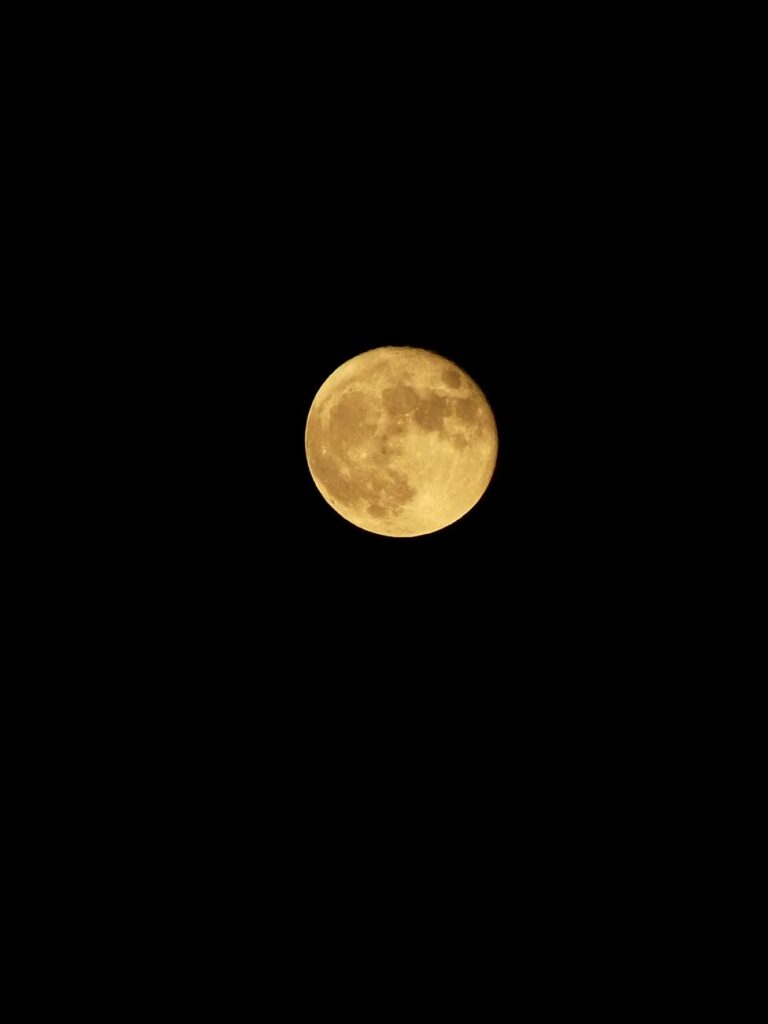
The Day of the Eclipse: A Minute-by-Minute Guide
You’ve planned for a year. You’ve driven for hours. The day is finally here. What now?
Arrive Early, Settle In
Get to your chosen viewing spot hours ahead of time. I mean, HOURS. This gives you a buffer for unexpected traffic and allows you to claim a good spot without feeling rushed. Set up your chairs, get your snacks accessible, and locate the nearest restroom. The eclipse begins with ‘first contact,’ when the moon first starts to take a tiny bite out of the sun. This marks the start of the partial phase, which can last over an hour. This is the time to relax and watch the slow, steady progress through your eclipse glasses.
Experiencing Totality: What to Expect
As totality nears, the world changes fast. The ambient light will become strangely silver. The temperature will noticeably drop. In the final minute, look for shadow bands—wavy lines of light and dark that ripple across the ground. Then, just before the sun is completely covered, you might see Baily’s Beads and the Diamond Ring effect, as the last bits of sunlight stream through lunar valleys.
And then… it happens. Totality. The moment the sun is 100% covered, it’s safe to take your glasses off. Look up. See the sun’s corona. Take in the 360-degree sunset on the horizon. Listen to the sounds of the crowd (and nature). Feel the moment. It will be over faster than you can imagine. The second you see the diamond ring reappear on the other side, it is crucial to put your eclipse glasses back on immediately. Totality is over.
Photography Tips for Amateurs (and When to Just Watch)
My honest advice for your first eclipse? Don’t bother with serious photography. It’s technically difficult, requires specialized equipment (solar filters for your camera), and, most importantly, it distracts you from the raw experience. You can’t capture the feeling of totality with a camera, but you can easily miss it while fiddling with settings. If you must take a picture, use your smartphone. It won’t capture the corona well, but it can capture the landscape, the dark sky, and the reactions of your friends and family. Then put the phone down and just watch. Be present.
Conclusion: More Than Just a Trip
Planning a solar eclipse vacation is a serious undertaking. It requires more foresight and logistical wrangling than almost any other kind of trip. But the payoff is immeasurable. It’s a chance to witness the solar system in motion, to share a moment of collective awe with thousands of strangers, and to create a memory so vivid it will give you chills for decades to come. It’s not just a vacation; it’s an appointment with the cosmos. And it’s one you’ll never regret keeping.


 Find Your Zen: The World’s Most Calming Hotel Lobbies
  Find the Best Train Carriages for Quiet & Scenic Views
  Hammock Reading: Finding Joy in Simple Pleasures
  Create a Sensory Souvenir: Remember Your Trip Forever
  The Calming Colors of a Santorini Sunset Explained
  Discover the World’s Best Planetariums: A Guide
  Backtest Crypto Trading Strategies: A Complete Guide
  NFT Standards: A Cross-Chain Guide for Creators & Collectors
  Decentralized Storage: IPFS & Arweave Explained Simply
  How to Calculate Cryptocurrency Taxes: A Simple Guide
  Your Guide to Music NFTs & Top Platforms for 2024
  TradingView for Crypto: The Ultimate Trader’s Guide