

 MMM
MMM Have you ever just felt… off? Maybe it’s a nagging bloat that won’t go away, a general feeling of sluggishness, or just knowing your digestive system isn’t running at 100%. You’re not alone. So many of us are searching for ways to feel better from the inside out, and the conversation often leads to one fascinating place: our gut. Understanding the role of probiotics in gut health isn’t just a wellness trend; it’s about getting to know the trillions of tiny organisms that call you home and learning how to support them so they can support you.
Think of your gut as a bustling, vibrant city. It’s filled with residents—mostly bacteria, but also fungi, viruses, and other microbes. This community is your gut microbiome. And just like any city, you want the good, productive citizens to outnumber the troublemakers. That’s where probiotics come in. They are the reinforcements, the friendly neighbors, the helpful workers who keep the city running smoothly. This guide will walk you through everything you need to know, from what they are to how you can get more of them into your life. No confusing jargon, just straight talk about your gut.
Key Takeaways
- What Probiotics Are: Probiotics are live, beneficial bacteria and yeasts that support a healthy digestive system and offer broader health benefits.
- Why They Matter: They help balance your gut microbiome, which is crucial for digestion, immune function, and even mental well-being.
- Top Sources: You can find probiotics in fermented foods like yogurt, kefir, kimchi, and sauerkraut, as well as in high-quality dietary supplements.
- Not All Are Equal: Different strains of probiotics have different jobs. Choosing the right one depends on your specific health goals.
- Don’t Forget Prebiotics: Probiotics need fuel to thrive. Prebiotics are the dietary fibers that feed these beneficial microbes.
So, What Are Probiotics, Really?
Let’s strip away the fancy scientific language. Probiotics are, quite simply, live microorganisms that, when administered in adequate amounts, confer a health benefit on the host. That’s the official definition from the World Health Organization. In simpler terms? They’re the “good guys” or “friendly bacteria” that live in your gut. You already have a massive community of them, but sometimes, that community can get a little out of whack.
Things like a course of antibiotics (which can be like a bomb going off in your gut city), a poor diet high in processed foods, chronic stress, or even just a nasty stomach bug can wipe out your beneficial bacteria. This allows the more harmful, or “pathogenic,” bacteria to take over, leading to a state of imbalance called dysbiosis. This imbalance is where many health issues can start to creep in, from digestive distress to skin problems. Probiotics are a way to reintroduce the good guys, helping to restore order and balance to your internal ecosystem.
The Gut Microbiome: Your Body’s Tiny, Powerful Ecosystem
It’s almost impossible to talk about probiotics without talking about the gut microbiome. Why? Because the microbiome is the home where probiotics do their work. It’s a complex and dynamic environment, primarily located in your large intestine. The sheer scale of it is mind-boggling. You have more bacterial cells in your body than human cells! Collectively, these microbes weigh as much as your brain—about three pounds.
This internal ecosystem is profoundly influential. It’s responsible for:
- Breaking down food: Your gut bacteria help digest fiber and other compounds your body can’t handle on its own.
- Producing essential vitamins: They synthesize important vitamins like vitamin K and several B vitamins.
- Regulating your immune system: A staggering 70-80% of your immune cells reside in your gut. The microbiome helps train your immune system to distinguish between friend and foe.
- Communicating with your brain: The gut-brain axis is a two-way street. Your gut microbes can influence your mood, and your stress levels can influence your gut health.
A healthy, diverse microbiome is a cornerstone of overall health. When it’s thriving, you feel it. When it’s not, you feel that, too. That’s why supporting this ecosystem is one of the most powerful things you can do for your well-being.
The Science-Backed Benefits of Probiotics in Gut Health
The hype around probiotics is real, but it’s also backed by a growing body of scientific research. These aren’t just old wives’ tales about eating yogurt. The benefits are tangible and can impact everything from your digestion to your mood.
Improved Digestion and Regularity
This is the most well-known benefit, and for good reason. Probiotics are masters of digestive harmony. They can help alleviate common and frustrating issues like bloating, gas, constipation, and diarrhea. For people suffering from conditions like Irritable Bowel Syndrome (IBS), certain probiotic strains have been shown to significantly reduce symptoms and improve quality of life. They work by helping to break down food more efficiently, regulating gut motility (the movement of your digestive system), and fighting off the bad bacteria that can cause upset.
Boosting Your Immune System
Remember how most of your immune system is in your gut? Well, probiotics are its front-line soldiers. They help strengthen the gut barrier, a crucial lining of cells that prevents harmful substances, toxins, and pathogens from leaking into your bloodstream (a condition often called “leaky gut”). A stronger barrier means your immune system doesn’t have to work overtime fighting off invaders. Some probiotic strains can also enhance the production of natural antibodies and regulate immune cells, helping you fend off colds and other infections more effectively.
The Surprising Gut-Brain Connection
This is one of the most exciting frontiers in medical research. Your gut is often called your “second brain,” and the connection between the two is profound. Your gut microbes produce hundreds of neurochemicals that the brain uses to regulate basic physiological processes as well as mental processes like learning, memory, and mood. For example, about 95% of your body’s supply of serotonin—the “feel-good” neurotransmitter—is produced in the gut!
Research suggests that a healthy, balanced microbiome can help reduce symptoms of anxiety and depression. While probiotics aren’t a cure-all for mental health conditions, supporting your gut is increasingly seen as a foundational piece of the mental wellness puzzle.
Potential Skin Health Perks
Ever notice you break out when you’re stressed or have eaten poorly? That’s the gut-skin axis at play. Inflammation in the gut can manifest on your skin in the form of acne, eczema, rosacea, or psoriasis. By reducing systemic inflammation and helping to eliminate toxins, a healthy gut supported by probiotics can lead to clearer, calmer skin. It’s the ultimate beauty-from-within approach.
Natural Sources vs. Supplements: Which is Better?
So, you’re sold on the benefits. The next logical question is: how do I get more of these good guys? You have two main routes: whole foods and supplements. And honestly, the best approach often involves a little of both.
Powerhouse Probiotic Foods
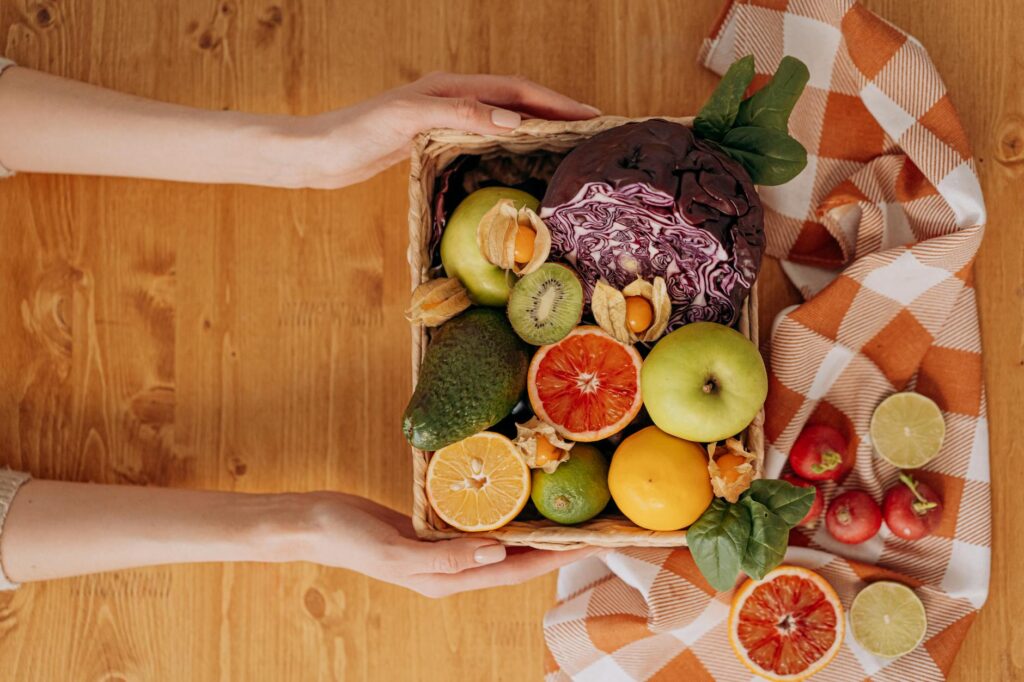
For most people, a food-first approach is the best place to start. Fermented foods are natural sources of a wide variety of beneficial bacteria. Plus, they come with other nutrients. The key is to look for products that contain “live and active cultures.”
- Yogurt: The classic probiotic source. Look for plain, unsweetened yogurt and check the label for phrases like “live cultures.” Greek yogurt is a great high-protein option.
- Kefir: Think of kefir as a drinkable, more potent yogurt. It’s a fermented milk drink that often contains a more diverse range of bacteria and yeasts than yogurt.
- Sauerkraut: This fermented cabbage is a probiotic powerhouse. Make sure you buy the refrigerated kind, not the shelf-stable canned version, which has been pasteurized (a process that kills the good bacteria).
- Kimchi: A spicy, fermented Korean staple, typically made from cabbage and other vegetables. It’s packed with gut-friendly *Lactobacillus* strains.
- Miso: A fermented soybean paste used in Japanese cooking. It’s great for soups and marinades but add it at the end of cooking to preserve the live cultures.
- Kombucha: A fizzy, fermented tea. Be mindful of the sugar content, as some commercial brands can be loaded with it.
- Tempeh: A fermented soybean cake that’s a fantastic meat substitute and a good source of probiotics.
Navigating the World of Probiotic Supplements
Supplements can be incredibly useful, especially if you’re targeting a specific health issue, have taken antibiotics, or simply don’t enjoy fermented foods. But the supplement aisle can be overwhelming. Here’s what to look for:
- CFU Count: Colony-Forming Units indicate the number of viable bacteria per dose. A good general supplement will have anywhere from 10 to 50 billion CFUs. Higher isn’t always better; it depends on the strains.
- Strain Diversity: Look for a supplement with multiple, well-researched strains. The label should list the full name, like *Lactobacillus acidophilus* or *Bifidobacterium lactis*.
- Survivability: Good supplements have delivery systems (like special capsules) to ensure the bacteria survive your stomach acid and make it to your intestines where they do their work.
- Third-Party Testing: Look for certifications from organizations like NSF or USP, which verify that the product contains what the label says it does.
Choosing the Right Probiotic Strain for You
This is where things can get a little more specific. Saying you need a “probiotic” is like saying you need a “dog.” What kind? A chihuahua and a Great Dane have very different characteristics. The same is true for probiotic strains. While many have general benefits, some are better suited for specific jobs. Here are a few of the most well-researched groups and their common uses:
- Lactobacillus species: This is one of the most common types, found in yogurt and other fermented foods. *L. acidophilus* is great for general digestive health and can help with lactose intolerance. *L. rhamnosus GG* is one of the most studied strains for preventing antibiotic-associated diarrhea. *L. plantarum* is often researched for its benefits in reducing IBS symptoms.
- Bifidobacterium species: These bacteria are often found in your large intestine. *B. lactis* is known for supporting immune function and easing constipation. *B. longum* can help maintain the integrity of the gut wall and has been linked to anti-anxiety effects through the gut-brain axis.
- Saccharomyces boulardii: This one is actually a beneficial yeast, not a bacterium. It’s a rockstar for treating various forms of diarrhea, including traveler’s diarrhea and that caused by antibiotics. It’s unique because it’s not killed by antibiotics, so you can take it at the same time.
If you have a specific health concern, it might be worth doing a little research or talking to a knowledgeable healthcare provider to find a strain that’s been studied for your particular issue.
Prebiotics: The Fuel for Your Probiotic Friends
You can introduce all the good bacteria you want, but if you don’t feed them, they won’t stick around. That’s where prebiotics come in. Prebiotics are types of dietary fiber that your body can’t digest. Instead, they travel to your lower digestive tract and become food for your beneficial bacteria.
Think of it like gardening. Probiotics are the seeds you plant, and prebiotics are the fertilizer that helps them grow and flourish. You can get prebiotics from a variety of plant-based foods:
- Garlic & Onions
- Leeks & Asparagus
- Bananas (especially slightly unripe ones)
- Oats
- Apples
- Chicory Root
- Jerusalem Artichokes
A diet rich in diverse, fiber-filled plants is the best way to ensure your gut microbes are well-fed and happy.
Conclusion
Taking care of your gut is one of the most impactful things you can do for your overall health. It’s not about chasing a quick fix or a miracle cure. It’s about nurturing the incredible, living ecosystem within you. The role of probiotics in gut health is to act as powerful allies in this process, helping to maintain balance, support digestion, and boost your body’s natural defenses. Whether you choose to load up on kimchi and kefir or add a high-quality supplement to your routine, you’re making a positive investment in your long-term well-being. Start small, be consistent, and listen to your body. Your gut will thank you for it.
FAQ
How long does it take for probiotics to work?
The timeline can vary greatly depending on the person, the reason for taking probiotics, and the specific strain. Some people may notice improvements in digestion, like reduced bloating, within a few days. For more systemic benefits, such as improved immune function or mood, it can take several weeks or even a couple of months of consistent use for the beneficial bacteria to colonize and create a measurable effect. Consistency is key.
Can I take too many probiotics?
For most healthy individuals, it’s very difficult to “overdose” on probiotics. Your digestive system is home to trillions of bacteria, so even a high-dose supplement is just a drop in the bucket. However, when you first start taking them or take a very high dose, you might experience some temporary side effects like gas, bloating, or mild digestive upset as your gut microbiome adjusts. This usually subsides within a few days. If you have a compromised immune system or a serious illness, you should always talk to your doctor before starting any new supplement.


 How to Meal Prep for the Week: A Beginner’s Guide
  Top Foods That Reduce Inflammation: An Easy Guide
  Food Allergies vs. Intolerance: What’s the Difference?
  Healthy Smoothie Recipes for Weight Loss You’ll Love
  Foods That Reduce Inflammation: Your Ultimate Guide
  Foods That Help You Sleep: Your Ultimate Guide
  Backtest Crypto Trading Strategies: A Complete Guide
  NFT Standards: A Cross-Chain Guide for Creators & Collectors
  Decentralized Storage: IPFS & Arweave Explained Simply
  How to Calculate Cryptocurrency Taxes: A Simple Guide
  Your Guide to Music NFTs & Top Platforms for 2024
  TradingView for Crypto: The Ultimate Trader’s Guide