

 MMM
MMM Feeling Puffy, Achy, and Just… Off? Let’s Talk Inflammation
Ever have those days where you just feel… blah? A little puffy, maybe your joints are talking to you more than usual, and your energy has packed its bags and left without a forwarding address. It’s a frustrating feeling, and while we often blame a bad night’s sleep or stress (which are definitely factors), there’s often a silent culprit working behind the scenes: chronic inflammation. The good news? You have a powerful arsenal right in your kitchen. Learning which foods help reduce inflammation isn’t just about a diet; it’s about giving your body the tools it needs to calm down, heal, and get back to feeling its best. It’s about fighting fire with forks, and trust me, it’s a delicious battle to win.
Key Takeaways:
- Chronic inflammation is a root cause of many modern diseases, but it can be managed through diet.
- Focus on whole, unprocessed foods rich in antioxidants and healthy fats, like fatty fish, berries, leafy greens, nuts, and olive oil.
- Spices like turmeric and compounds in green tea and dark chocolate offer potent anti-inflammatory benefits.
- Reducing processed foods, sugar, and unhealthy fats is just as important as adding beneficial foods.
- A holistic approach combining diet, exercise, sleep, and stress management yields the best results.
First, What Exactly Is Inflammation?
Before we dive into the grocery list, let’s clear something up. Not all inflammation is bad. In fact, some of it is essential. Think about the last time you got a cut or twisted your ankle. The area got red, swollen, and warm, right? That’s acute inflammation. It’s your body’s emergency response team rushing to the scene. White blood cells and healing compounds flood the area to fight off infection and begin repairs. It’s a short-term, targeted process that’s crucial for survival. Once the job is done, the team packs up and goes home. All good.
The problem arises when that emergency response team never clocks out. This is chronic inflammation. It’s a low-grade, simmering fire that can persist for months or even years. It’s not localized to a single injury; it’s systemic, meaning it affects your whole body. Your immune system is stuck in the “on” position, constantly sending out inflammatory cells and substances that can start to damage healthy tissues and organs over time. This is the kind of inflammation linked to a whole host of issues, including heart disease, type 2 diabetes, arthritis, and even certain cancers. It’s sneaky because its symptoms can be subtle—fatigue, brain fog, body aches, digestive issues—until a more serious condition develops.
What fuels this chronic fire? A lot of modern life, unfortunately. Stress, lack of sleep, environmental toxins, and, you guessed it, a diet high in processed foods, sugar, and unhealthy fats.
The Power Players: Your Guide to Foods That Help Reduce Inflammation
Okay, enough of the doom and gloom. Let’s get to the fun part: the food! Shifting your diet is one of the most effective ways to douse that internal fire. Think of the foods below not as medicine, but as delicious, vibrant ingredients that empower your body to heal itself. This isn’t about restriction; it’s about abundance.
Fatty Fish: The Omega-3 Superstars
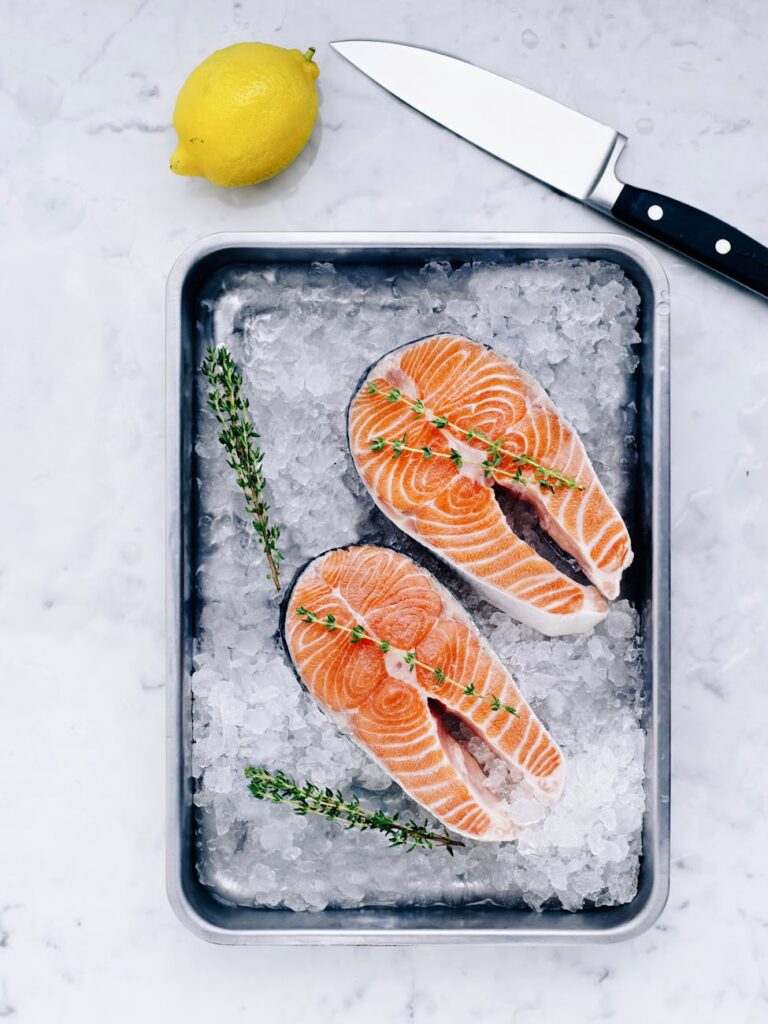
If there’s a VIP section in the anti-inflammatory club, fatty fish are sitting in it. Fish like salmon, mackerel, herring, sardines, and anchovies are packed with two specific types of omega-3 fatty acids: eicosapentaenoic acid (EPA) and docosahexaenoic acid (DHA). Your body is a master at converting these fats into compounds called resolvins and protectins, which are, as their names suggest, incredibly powerful at resolving and protecting against inflammation. They essentially tell the inflammatory response to calm down and clean up. Studies have consistently shown that people who regularly consume omega-3s have lower levels of inflammatory markers like C-reactive protein (CRP). Aim for at least two servings of fatty fish per week. If you’re not a fish fan, a high-quality fish oil or algae-based omega-3 supplement is the next best thing.
Berries: Tiny but Mighty Antioxidant Bombs
Don’t let their small size fool you. Berries—we’re talking blueberries, strawberries, raspberries, blackberries—are bursting with antioxidants called anthocyanins. These are the pigments that give berries their rich red, blue, and purple hues, and they are phenomenal at neutralizing free radicals. Free radicals are unstable molecules that bounce around your body causing cellular damage, which in turn triggers inflammation. Anthocyanins act like a cleanup crew, disarming these troublemakers before they can do harm. Throw a handful on your oatmeal, blend them into a smoothie, or just enjoy them as a sweet snack. They are nature’s candy with incredible benefits.
Leafy Greens: The Unsung Heroes
Mom was right, you really should eat your greens. Powerhouses like spinach, kale, Swiss chard, and collard greens are loaded with vitamins, minerals, and potent antioxidants. They are particularly rich in Vitamin K, which has been shown to play a role in regulating the inflammatory response. They also contain compounds like sulforaphane (especially in the broccoli/kale family) that actively fight inflammation at a cellular level. The key is variety. Don’t just stick to one type. Mix them up in salads, sauté them with garlic and olive oil, or sneak a handful of spinach into your morning smoothie (you won’t even taste it!).
Nuts and Seeds: A Handful of Health
Looking for a satisfying, crunchy snack that also fights inflammation? Reach for a handful of nuts and seeds. Almonds are rich in vitamin E, a fat-soluble antioxidant that protects cells from oxidative stress. Walnuts are a fantastic plant-based source of omega-3s (in the form of ALA). Chia seeds and flaxseeds are also packed with ALA and fiber, which is crucial for a healthy gut microbiome—and a happy gut is essential for keeping inflammation in check. Just a small handful a day can make a big difference. Sprinkle them on yogurt, add them to salads, or just eat them plain.
Extra Virgin Olive Oil: The Good Fat
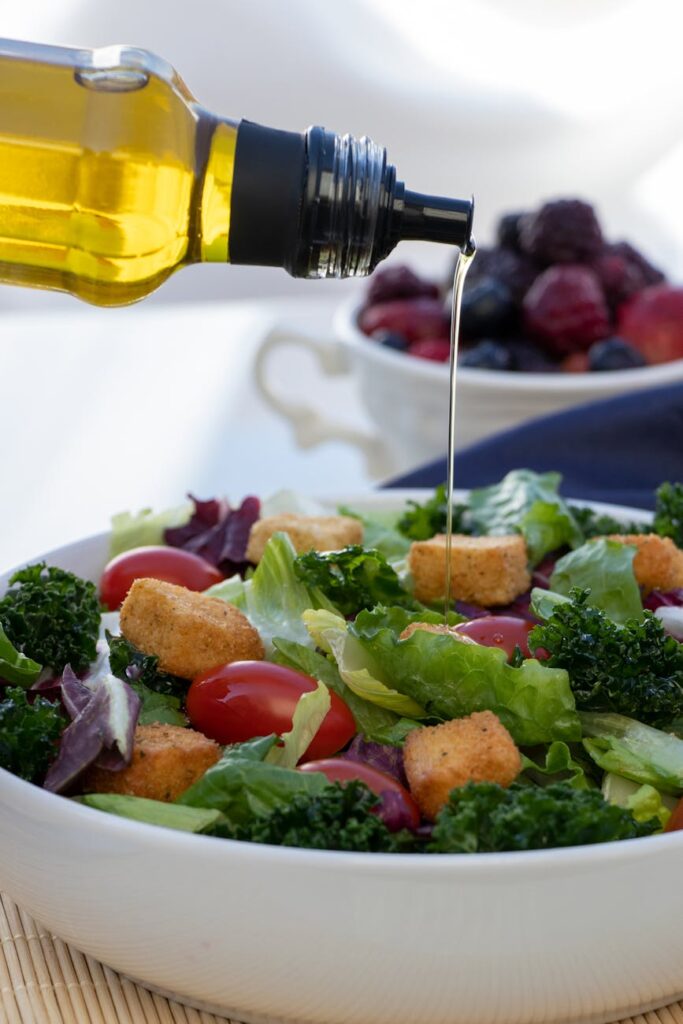
Let’s be clear: not all fats are created equal. The fat found in extra virgin olive oil (EVOO) is a monounsaturated fat called oleic acid, which itself has anti-inflammatory properties. But the real magic of EVOO lies in a compound called oleocanthal. This antioxidant has been shown to work in a way remarkably similar to ibuprofen, inhibiting the same inflammatory pathways. That peppery kick you sometimes get at the back of your throat from a high-quality EVOO? That’s the oleocanthal working its magic. Use it as your primary cooking oil for low-to-medium heat, and drizzle it generously over salads and cooked vegetables.
Turmeric: The Golden Spice
You can’t talk about anti-inflammatory foods without mentioning turmeric. This vibrant golden spice contains a powerful compound called curcumin. Curcumin is a rockstar. It’s a potent anti-inflammatory that works by blocking multiple inflammatory molecules and pathways in the body. It’s so effective, its power is often compared to that of some anti-inflammatory drugs, but without the side effects. The one catch? Curcumin isn’t easily absorbed on its own. The solution is simple: always pair it with a pinch of black pepper. A compound in black pepper called piperine can boost curcumin absorption by a staggering 2,000%! So, add this dynamic duo to curries, soups, roasted veggies, or even a “golden milk” latte.

Cruciferous Vegetables: Broccoli and Friends
Broccoli, cauliflower, Brussels sprouts, and kale belong to the cruciferous family, and they are nutritional superstars. Their main anti-inflammatory weapon is a compound called sulforaphane. Sulforaphane is an antioxidant that works by activating the body’s own natural detoxification and antioxidant pathways. It helps your body help itself, reducing oxidative stress and calming inflammation from the inside out. Lightly steaming or roasting these veggies is a great way to preserve their nutrients while making them delicious.
Tomatoes: The Lycopene Powerhouse
The humble tomato is a fantastic source of vitamin C, potassium, and a very special antioxidant called lycopene. Lycopene is what gives tomatoes their brilliant red color, and it’s particularly effective at quenching pro-inflammatory compounds. Interestingly, lycopene becomes more bioavailable—meaning easier for your body to absorb and use—when tomatoes are cooked. So, while fresh tomatoes in a salad are great, enjoying them in a sauce, soup, or stew really unlocks their full anti-inflammatory potential. Pairing them with a little olive oil helps with absorption too!
“Let food be thy medicine and medicine be thy food.” – A quote often attributed to Hippocrates, this ancient wisdom is more relevant today than ever. The choices we make at every meal have a profound and direct impact on the inflammation levels in our bodies.
Green Tea: A Soothing Sip of Health
Switching your afternoon coffee for a cup of green tea can do wonders for inflammation. Green tea is rich in a category of plant compounds called polyphenols, with the most potent one being epigallocatechin-3-gallate (EGCG). EGCG is a powerful antioxidant that can reduce inflammation by protecting your cells from damage and inhibiting the production of pro-inflammatory chemicals in the body. It’s a simple, hydrating, and effective way to support your body’s fight against chronic inflammation. Matcha, which is powdered green tea, provides an even more concentrated dose of these beneficial compounds.
It’s Not Just What You Add, It’s What You Subtract
Piling your plate with all these wonderful foods is fantastic, but you’ll get the best results if you also limit the things that fuel the fire. This doesn’t mean you can never have a treat again, but being mindful of these pro-inflammatory culprits is key:
- Sugar and High-Fructose Corn Syrup: Excess sugar is a major driver of inflammation. Be mindful of obvious sources like soda and candy, but also hidden sugars in sauces, dressings, and processed snacks.
- Refined Carbohydrates: White bread, pasta, white rice, and pastries have been stripped of their fiber and nutrients. They break down into sugar quickly, spiking your blood sugar and promoting inflammation.
- Trans Fats: Found in many fried foods, margarines, and processed baked goods, these artificial fats are highly inflammatory and should be avoided as much as possible.
- Excessive Omega-6 Fats: While some omega-6 fats are necessary, the modern diet is often overloaded with them from processed vegetable oils like corn, soy, and sunflower oil. This throws off the crucial balance with anti-inflammatory omega-3s.
- Processed Meats: Sausages, hot dogs, and deli meats often contain high levels of saturated fat and advanced glycation end products (AGEs), which are highly inflammatory compounds.
Conclusion: Your Plate, Your Power
Tackling chronic inflammation might seem like a daunting task, but it truly starts with your next meal. You don’t have to overhaul your entire life overnight. Start small. Can you swap your usual afternoon snack for a handful of walnuts and berries? Can you add a big salad with a variety of greens to your dinner tonight? Can you try a salmon dish this week instead of steak? Every small, positive choice is a step toward dousing that internal fire. By focusing on a diet rich in colorful, whole, and delicious foods, you’re not just eating—you’re actively building a more resilient, vibrant, and healthier you from the inside out. Your joints, your heart, your brain, and your entire body will thank you.
FAQ: Frequently Asked Questions
How long does it take for an anti-inflammatory diet to work?
There’s no magic timeline, as everyone’s body is different. However, many people report feeling a noticeable reduction in things like joint pain, bloating, and fatigue within just a few weeks of consistently making better food choices. The long-term benefits for chronic disease prevention build over months and years, so it’s best to view this as a sustainable lifestyle change, not a temporary fix.
Can I just take supplements like turmeric and fish oil instead of changing my diet?
Supplements can be very helpful, especially if you have a known deficiency or can’t get enough of a certain nutrient from food (like omega-3s if you don’t eat fish). However, they can’t replace the power of a healthy diet. Whole foods contain a complex symphony of thousands of vitamins, minerals, fibers, and antioxidants that all work together synergistically. A supplement gives you an isolated compound, but a blueberry gives you anthocyanins plus fiber, vitamin C, and countless other micronutrients. Use supplements to supplement a good diet, not to substitute for it.


 How to Meal Prep for the Week: A Beginner’s Guide
  Top Foods That Reduce Inflammation: An Easy Guide
  Food Allergies vs. Intolerance: What’s the Difference?
  Healthy Smoothie Recipes for Weight Loss You’ll Love
  Foods That Reduce Inflammation: Your Ultimate Guide
  Foods That Help You Sleep: Your Ultimate Guide
  Backtest Crypto Trading Strategies: A Complete Guide
  NFT Standards: A Cross-Chain Guide for Creators & Collectors
  Decentralized Storage: IPFS & Arweave Explained Simply
  How to Calculate Cryptocurrency Taxes: A Simple Guide
  Your Guide to Music NFTs & Top Platforms for 2024
  TradingView for Crypto: The Ultimate Trader’s Guide