

 MMM
MMM Feeling the Burn? Not the Good Kind. Let’s Talk Inflammation.
Let’s be real for a second. We’ve all been there. You wake up, and your joints are creaking a symphony of protest. Or maybe it’s a persistent brain fog that just won’t lift, no matter how much coffee you throw at it. It could even be that stubborn puffiness that seems to have taken up permanent residence. Often, the silent culprit behind this widespread feeling of ‘meh’ is chronic inflammation. It’s not the same as the acute inflammation you see when you sprain an ankle – the immediate swelling and redness that signals your body is healing. No, this is a different beast. It’s a low-grade, simmering fire inside your body that, over time, can contribute to a whole host of health problems. The good news? You have a powerful tool to fight back, and it’s right in your kitchen. By focusing on foods to reduce inflammation, you can start to cool that internal fire, one delicious bite at a time.
Think of your body as a high-performance engine. What you put in the tank matters. A lot. You wouldn’t put cheap, dirty fuel in a Ferrari, right? Your body is infinitely more complex and valuable. The food you eat can either stoke the flames of inflammation or provide the cooling, nourishing compounds needed to keep things running smoothly. This isn’t about a restrictive, joyless diet. It’s about making smart, strategic swaps and additions. It’s about empowering yourself with knowledge so you can build a plate that not only tastes amazing but also actively works to make you feel amazing. We’re going to explore the superstars of the anti-inflammatory world—the vibrant fruits, the fatty fish, the powerful spices—and give you the roadmap to take back control of your health.
Key Takeaways
- Chronic inflammation is a low-level, systemic issue linked to many health problems, distinct from acute, healing-related inflammation.
- Diet is a critical tool for managing inflammation; certain foods contain powerful anti-inflammatory compounds like antioxidants and omega-3s.
- Focus on incorporating fatty fish, colorful berries, leafy greens, nuts, seeds, and spices like turmeric and ginger into your daily meals.
- Conversely, processed foods, sugary drinks, and refined carbs can promote and worsen chronic inflammation.
First, What Exactly IS This Chronic Inflammation We’re Fighting?
Before we dive into the grocery list, it helps to understand the enemy. Inflammation, in its purest form, is a good thing. It’s your immune system’s first responder. When you get a cut or fight off a virus, your body sends an army of white blood cells to the area. This creates the familiar heat, redness, and swelling—signs that your body is protecting and healing itself. This is acute inflammation. It’s short-lived, targeted, and essential for survival.
Chronic inflammation is different. It’s when that emergency response system forgets to turn off. The alarm keeps blaring, day in and day out, but at a lower volume. This constant state of alert means your immune system is continuously pumping out inflammatory cells and substances (like cytokines) that can start to damage healthy tissues and organs. It’s like having a slow-burning fire that never quite goes out, and over months and years, it can wreak havoc. This smoldering process is linked to conditions like heart disease, type 2 diabetes, arthritis, and even some neurological disorders. What causes it? A combination of factors, including stress, lack of sleep, and, you guessed it, a diet high in pro-inflammatory foods.
The Anti-Inflammatory All-Stars: Your Grocery List for a Cooler Body
Ready to build your anti-inflammatory arsenal? Let’s stock your pantry and fridge with the good stuff. These aren’t exotic, hard-to-find ingredients. They’re powerful, everyday foods that can make a huge difference.
Fatty Fish: The Omega-3 Powerhouses
If there’s one group of foods to prioritize, it’s fatty fish. Why? Two magic words: Omega-3 fatty acids. Specifically, eicosapentaenoic acid (EPA) and docosahexaenoic acid (DHA). These fats are incredible. Your body can metabolize them into compounds called resolvins and protectins, which are potent anti-inflammatory agents. They literally help *resolve* inflammation.
Think of it this way: inflammation is like a fire. Pro-inflammatory foods throw gasoline on it. EPA and DHA are like the foam from a fire extinguisher, actively smothering the flames. Studies have shown time and again that people who consume more omega-3s have lower levels of inflammatory markers like C-reactive protein (CRP). So, which fish should you be eating?
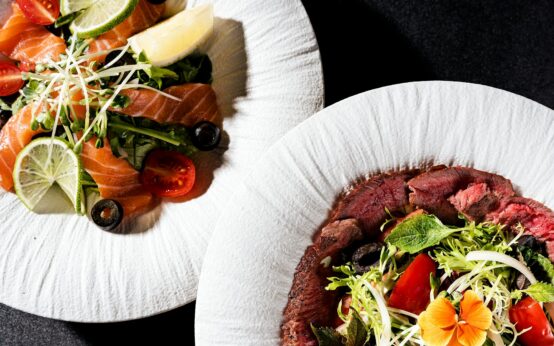
- Salmon: The king of anti-inflammatory fish. Wild-caught is generally preferred for its higher omega-3 content and lower contaminants.
- Mackerel: A smaller, oily fish that’s absolutely packed with omega-3s.
- Sardines: Don’t knock ’em ’til you try ’em! These little guys are a nutritional powerhouse—and they’re cheap and sustainable.
- Herring and Anchovies: Similar to sardines, these are excellent choices.
Aim for at least two 3.5-ounce (100-gram) servings of fatty fish per week. If you’re not a fish fan, a high-quality fish oil or algae-based omega-3 supplement is the next best thing.
Berries: Nature’s Antioxidant Candy
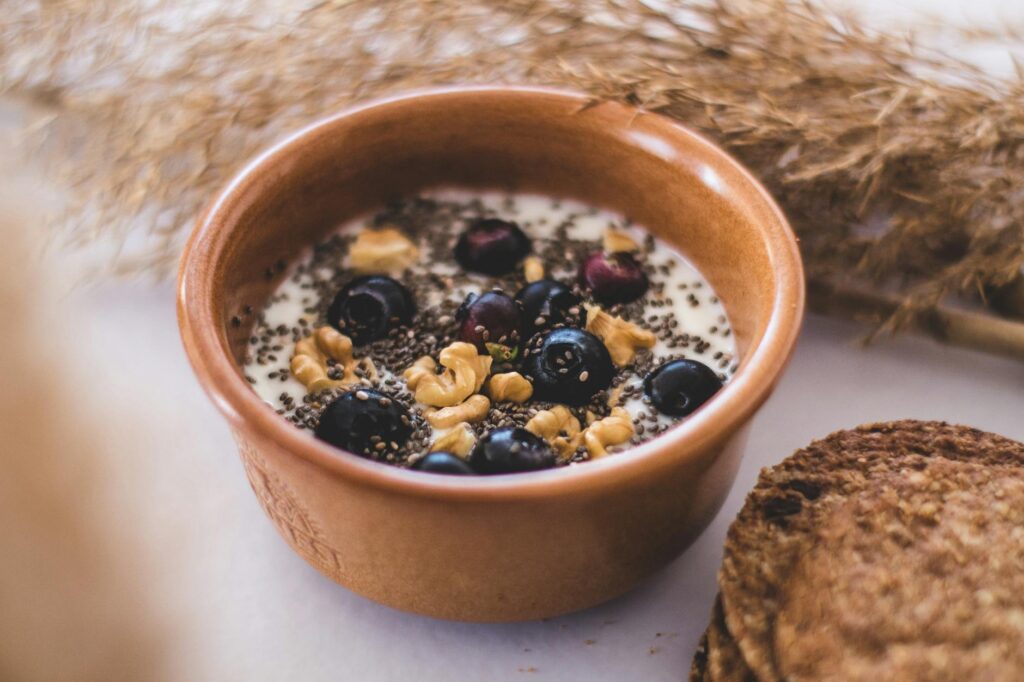
Who said fighting inflammation couldn’t be sweet? Berries are small but mighty, loaded with vitamins, minerals, and fiber. Their real superpower, however, comes from antioxidants called anthocyanins. These are the pigments that give berries their rich red, blue, and purple hues. Anthocyanins have been shown to have powerful anti-inflammatory effects by neutralizing free radicals—unstable molecules that cause cellular damage and drive inflammation.
Basically, they’re like your body’s personal security team, disarming troublemakers before they can cause a riot. A handful of berries is one of the easiest and most delicious foods to reduce inflammation you can add to your day.
- Blueberries: A true superfood, rich in anthocyanins and quercetin.
- Strawberries: Packed with Vitamin C and anthocyanins.
- Raspberries: High in fiber and ellagic acid, another potent antioxidant.
- Blackberries: Another anthocyanin superstar.
Toss them in your morning oatmeal or yogurt, blend them into a smoothie, or just enjoy a bowl for a healthy dessert. Frozen berries are just as nutritious as fresh, so you can enjoy them year-round.
Leafy Greens & Cruciferous Veggies: The Green Machine
Your mom was right: eat your greens. Dark leafy greens are nutritional workhorses, providing a wealth of antioxidants, including vitamins A, C, and K. They also contain compounds that protect your cells from inflammatory damage. Spinach, for example, is rich in kaempferol, an antioxidant flavonoid shown to reduce the impact of inflammatory agents.
And let’s not forget their cruciferous cousins. Vegetables like broccoli, cauliflower, and Brussels sprouts are rich in sulforaphane, an antioxidant with incredible anti-inflammatory benefits. Sulforaphane works by activating pathways in your body that switch on your own antioxidant defenses. It’s not just providing help; it’s teaching your body to help itself.
- Spinach and Kale: The dynamic duo of the leafy green world.
- Broccoli: A top source of sulforaphane. Lightly steaming it preserves its nutrients best.
- Cauliflower: A versatile veggie that’s also rich in antioxidants.
- Bok Choy and Swiss Chard: Don’t forget these nutrient-dense options!
“Let food be thy medicine and medicine be thy food.” – Hippocrates. This ancient wisdom has never been more relevant. The choices you make at every meal are a direct communication with your body’s inflammatory pathways.
Nuts, Seeds, and Healthy Fats: Fueling the Fight
Not all fat is created equal. While certain fats can promote inflammation, others are essential for quenching it. Nuts and seeds are fantastic sources of monounsaturated and polyunsaturated fats, including some plant-based omega-3s (alpha-linolenic acid, or ALA). While not as potent as the EPA and DHA from fish, ALA still offers significant anti-inflammatory benefits.
Beyond the healthy fats, nuts and seeds provide fiber, protein, and magnesium, a mineral that many people are deficient in and which plays a key role in regulating inflammation. Avocados and extra virgin olive oil are also champions in this category. Olive oil, in particular, contains a compound called oleocanthal, which has been shown to work similarly to ibuprofen, a common anti-inflammatory drug.
- Walnuts: A top plant-based source of omega-3 ALA.
- Almonds: Rich in Vitamin E, a fat-soluble antioxidant that protects cells from damage.
- Chia Seeds & Flaxseeds: Tiny seeds with a huge ALA and fiber punch. Grind flaxseeds to make their nutrients available.
- Extra Virgin Olive Oil: Make this your primary cooking and finishing oil. The ‘extra virgin’ part is key, as it’s the least processed and highest in antioxidants.
- Avocados: Loaded with potassium, magnesium, fiber, and heart-healthy monounsaturated fats.
Spices and Herbs: The Flavorful Fighters
Some of the most potent anti-inflammatory agents on the planet are hiding in your spice rack. For centuries, traditional medicine has used these plants to treat a variety of ailments, and modern science is now catching up, validating their incredible power.
Turmeric (and Curcumin)
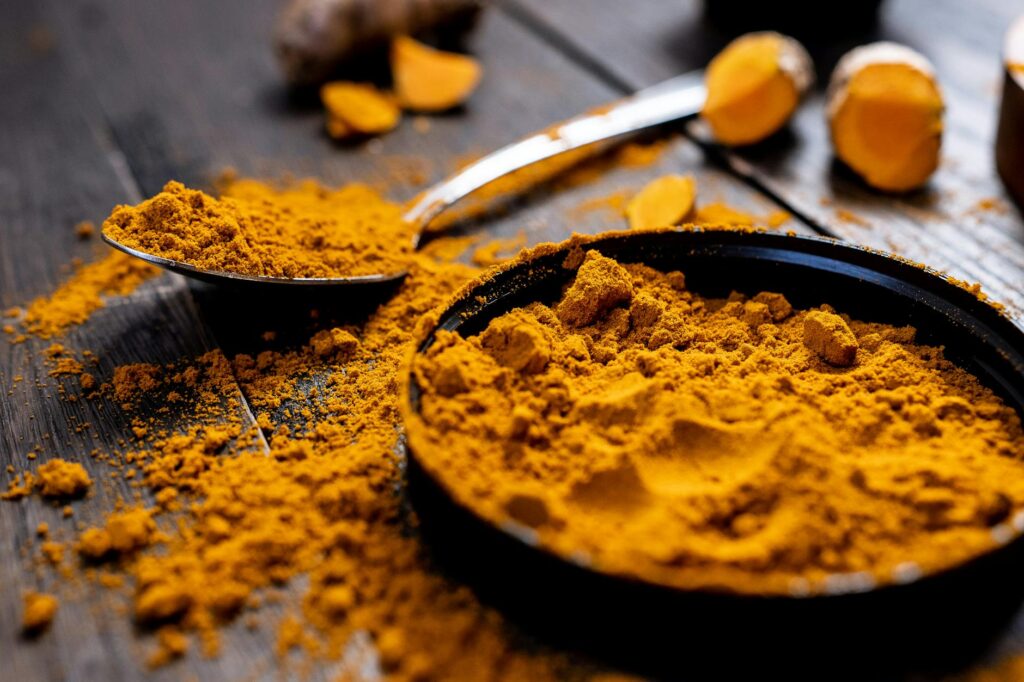
Turmeric is the bright yellow spice that gives curry its color. Its active ingredient, curcumin, is a research superstar. Curcumin is a polyphenol with powerful anti-inflammatory effects, capable of blocking the activation of molecules that play a major role in inflammation. The catch? Curcumin isn’t easily absorbed by the body. But there’s a simple trick: pair it with black pepper. A compound in black pepper called piperine can boost curcumin absorption by a staggering 2,000%.
Ginger
A close relative of turmeric, ginger contains potent anti-inflammatory compounds called gingerols. It’s been used for centuries to treat nausea and indigestion, but its benefits extend to reducing muscle pain and soreness, thanks to its ability to quell inflammation. Fresh ginger in tea, stir-fries, or smoothies is a great way to get your daily dose.
The Other Side of the Coin: Foods That Fan the Flames
Just as important as adding in beneficial foods is knowing which ones to limit or avoid. These are the items that can actively promote inflammation in your body, undoing all your hard work.
- Sugar and High-Fructose Corn Syrup: These are major culprits. Excess sugar triggers the release of inflammatory messengers called cytokines. Watch out for sugary drinks, pastries, candy, and hidden sugars in processed foods.
- Refined Carbohydrates: White bread, pasta, white rice, and many cereals have been stripped of their fiber and nutrients. They have a high glycemic index, meaning they spike your blood sugar, which can trigger an inflammatory response.
- Trans Fats: Found in some margarines, fried foods, and processed baked goods (look for ‘partially hydrogenated oils’ on labels). These are artificially created fats that are highly inflammatory and terrible for heart health.
- Excess Omega-6 Fats: While some omega-6 fats are necessary, the modern diet is overloaded with them from processed seed and vegetable oils like soybean, corn, and sunflower oil. This imbalance between omega-6 and omega-3 promotes inflammation.
- Processed and Red Meats: Sausages, hot dogs, and other processed meats contain advanced glycation end products (AGEs) that are highly inflammatory. Limiting red meat consumption is also often recommended.
Conclusion: A Lifestyle, Not a Diet
Shifting your diet to combat inflammation isn’t about a 30-day challenge or a temporary fix. It’s about a fundamental change in how you view food—as a tool for building health and vitality from the inside out. Don’t feel overwhelmed. Start small. Pick one thing from this list to focus on this week. Maybe it’s swapping your afternoon snack for a handful of walnuts and berries, or adding a large salad with olive oil dressing to your dinner. These small, consistent changes build on each other, creating a powerful, cumulative effect. By choosing whole, nourishing, and vibrant foods, you’re not just eating; you’re actively building a more resilient, energetic, and pain-free body.
FAQ
How quickly can I see results from an anti-inflammatory diet?
It varies for everyone. Some people report feeling better—less joint pain, more energy, less bloating—within a week or two of making significant changes. For others, it might take a month or more for the cumulative effects to become noticeable. The key is consistency. The longer you stick with it, the more profound and lasting the benefits will be.
Do I have to give up my favorite foods forever?
Not necessarily! It’s all about balance and moderation. Think of it as an 80/20 or 90/10 rule. If you’re consistently eating anti-inflammatory foods 80-90% of the time, enjoying a treat or a pro-inflammatory meal on occasion isn’t going to derail your progress. The goal is to make the anti-inflammatory choices your default, not to create a sense of deprivation that makes the lifestyle unsustainable.


 How to Meal Prep for the Week: A Beginner’s Guide
  Top Foods That Reduce Inflammation: An Easy Guide
  Food Allergies vs. Intolerance: What’s the Difference?
  Healthy Smoothie Recipes for Weight Loss You’ll Love
  Foods That Reduce Inflammation: Your Ultimate Guide
  Foods That Help You Sleep: Your Ultimate Guide
  Backtest Crypto Trading Strategies: A Complete Guide
  NFT Standards: A Cross-Chain Guide for Creators & Collectors
  Decentralized Storage: IPFS & Arweave Explained Simply
  How to Calculate Cryptocurrency Taxes: A Simple Guide
  Your Guide to Music NFTs & Top Platforms for 2024
  TradingView for Crypto: The Ultimate Trader’s Guide