
 MMM
MMM Unlock Your Potential: The Ultimate Guide to the Best Foods to Eat Before a Workout
You’ve got your gym bag packed, your playlist is ready, and you’re mentally prepared to crush your session. But wait. What did you eat? If the answer is ‘nothing’ or ‘that leftover slice of pizza,’ you might be sabotaging your own efforts before you even start. Figuring out the best foods to eat before a workout isn’t just for elite athletes; it’s the secret weapon for anyone looking to get the most out of their physical activity. It’s the difference between a sluggish, ‘I-can’t-do-this’ session and a powerful, energized one where you feel unstoppable.
Think of your body as a high-performance car. You wouldn’t put low-grade fuel in a Ferrari and expect it to win a race, right? The same logic applies to your body. The right pre-workout meal provides the fuel your muscles need to perform, the focus your brain needs to stay engaged, and the foundation for a speedier recovery. It’s about more than just avoiding hunger pangs—it’s about strategic fueling for peak performance.
Key Takeaways
- Timing is Crucial: Aim to eat a balanced meal 2-3 hours before your workout, or a smaller snack 30-60 minutes before.
- Carbs are King: Carbohydrates are your body’s primary energy source. Focus on complex carbs for sustained energy and simple carbs for a quick boost.
- Protein is Your Partner: Including a moderate amount of protein helps protect muscles from damage and primes them for repair.
- Hydration is Non-Negotiable: Don’t forget to drink water! Dehydration can significantly tank your performance.
- Avoid High Fat & Fiber: Right before a workout, large amounts of fat and fiber can slow digestion and cause stomach discomfort.
The ‘Why’: Understanding Pre-Workout Macronutrients
Before we jump into a list of foods, let’s get a handle on the ‘why.’ What are we actually trying to accomplish with a pre-workout meal? It boils down to a few key goals: boosting energy, preventing muscle breakdown, and increasing performance. The magic lies in the right balance of macronutrients: carbohydrates, protein, and fats.
Carbohydrates: Your Primary Fuel Source
Carbs are your best friend before a workout. Seriously. When you eat carbohydrates, your body breaks them down into glucose, which is then stored in your muscles and liver as glycogen. During exercise, your body taps into these glycogen stores for energy. The more glycogen you have available, the harder and longer you can train. Running out of glycogen is what athletes refer to as ‘hitting the wall’ or ‘bonking’—a state of sudden fatigue and energy loss. Not fun.
- Complex Carbs: These are your go-to for sustained energy. Think whole grains, oats, sweet potatoes, and brown rice. They digest slowly, providing a steady release of glucose into your bloodstream. They’re perfect for a meal 2-3 hours before a workout.
- Simple Carbs: These are for a quick hit of energy. Think fruits like bananas, a bit of honey, or a sports drink. They digest rapidly, making them ideal for a snack 30-60 minutes before you start moving.
Protein: The Muscle Protector
While carbs are the main event, protein plays a crucial supporting role. Consuming protein before exercise has been shown to improve muscle protein synthesis—the process of building and repairing muscle. It essentially gives your muscles a head start on recovery. It can also help prevent muscle breakdown during long or intense workouts. You don’t need a massive steak; a moderate amount (around 15-20 grams) is plenty to get the job done. It’s about providing your body with the amino acids it needs to protect and repair itself.
Fats: Handle with Care
Healthy fats are a vital part of a balanced diet, but they’re not your best friend immediately before a workout. Why? Because fats slow down digestion significantly. While that’s great for keeping you full at other times, it can be a disaster before exercise. Eating a high-fat meal can leave you feeling sluggish, heavy, and can even lead to cramping or stomach upset as your body tries to digest food and pump blood to your muscles at the same time. It’s best to keep fat intake low in the 1-2 hours leading up to your session.
The ‘When’: Timing Your Pre-Workout Meal is Everything
You can eat all the right foods, but if your timing is off, you won’t reap the full benefits. The ideal timing depends on the size and composition of your meal. It’s a bit of a personal experiment, as everyone’s digestion is different, but here are some solid guidelines to start with.
If You Have 2-3 Hours: The Full Meal
This is the sweet spot for a complete, balanced meal. It gives your body ample time to digest and absorb the nutrients without leaving you feeling stuffed. This meal should be rich in complex carbohydrates and contain a moderate amount of lean protein.
Example Meal: A grilled chicken breast with a medium-sized sweet potato and a side of steamed broccoli. Or a bowl of quinoa with black beans, corn, and a sprinkle of avocado.
If You Have 60-90 Minutes: The Mini-Meal
Don’t have a few hours to spare? A smaller, more easily digestible meal is your best bet. The focus should still be on carbs, but you can start to lean more towards simpler carbs. Keep the protein lean and the fat and fiber content low to ensure it doesn’t sit heavily in your stomach.
Example Meal: A bowl of oatmeal with a few berries, or a half-cup of Greek yogurt with a drizzle of honey.
If You Have 30-45 Minutes: The Quick Snack
Sometimes you’re just rushing out the door. This is where a small, fast-acting snack comes in. You want something that’s almost entirely simple carbohydrates for a quick energy spike that your body can use immediately. This is not the time for a complex meal.
Example Snack: A medium-sized banana, a handful of dried fruit like dates, or a small piece of toast with a thin layer of jam.
“Listen to your body. The perfect pre-workout meal for your friend might cause you stomach cramps. Experiment with different foods and timings on lower-intensity days to find what makes you feel powerful and energized, not bloated and sluggish.”
The ‘What’: Your Ultimate Guide to Pre-Workout Foods
Alright, let’s get to the good stuff. Here’s a breakdown of excellent food choices categorized by when you might be eating them. Mix and match to find your perfect pre-workout combination!
H3: Top Tier Choices for Sustained Energy (2-3 Hours Before)
These meals are designed to fuel you for the long haul, perfect for a lengthy run, a heavy lifting session, or a high-intensity class.
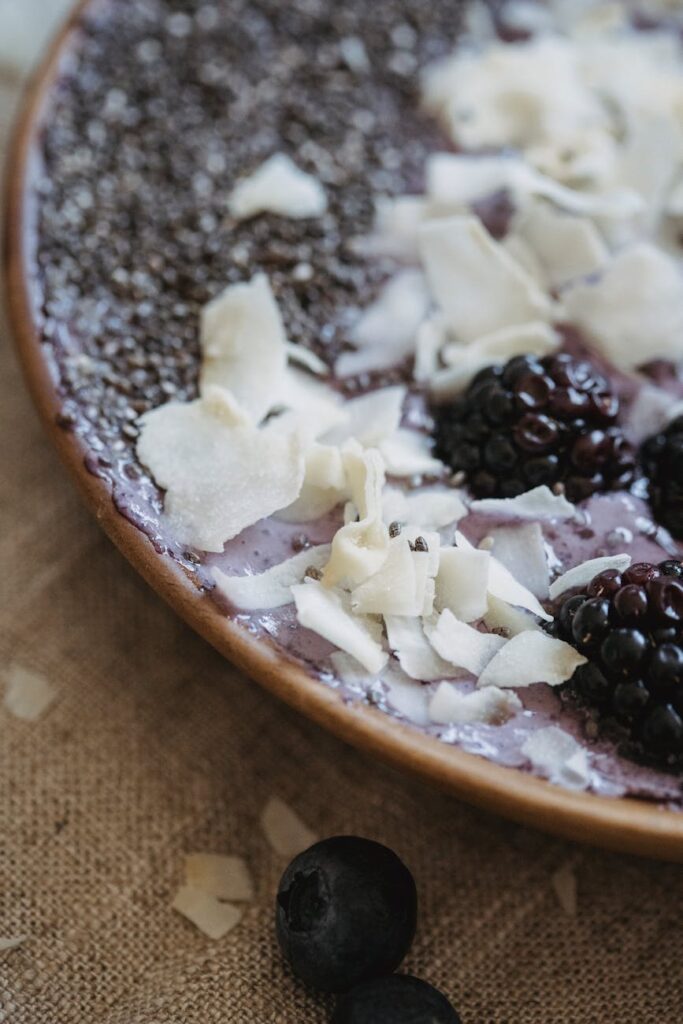
- Oatmeal with Berries: The ultimate slow-release carb. Oats provide sustained energy, while the berries add a touch of quick energy and antioxidants. A scoop of protein powder can be mixed in for an extra boost.
- Brown Rice with Chicken or Tofu: A classic for a reason. Brown rice is a fantastic complex carb, and lean protein like chicken or tofu provides the amino acids to protect your muscles. Keep the seasoning simple to avoid digestive issues.
- Sweet Potato with Black Beans: A plant-based powerhouse. Sweet potatoes are packed with complex carbs and nutrients, while black beans offer both protein and carbs.
H3: Great Grab-and-Go Options (60-90 Minutes Before)
When you’re a bit more pressed for time, these options are easier to digest but still pack a solid punch.
- Greek Yogurt with a Handful of Granola: Greek yogurt offers a great hit of protein, while the granola provides carbs for energy. Look for a low-sugar granola to avoid a crash.
- Whole Wheat Toast with Sliced Banana and a Drizzle of Honey: A fantastic combination of complex and simple carbs. The toast provides a steady base, while the banana and honey offer a quick-acting energy boost.
- A Simple Fruit Smoothie: Blend a banana, a handful of spinach, a scoop of protein powder, and a liquid base like almond milk or water. It’s pre-digested, making it super easy on your stomach.
H3: Quick Hits for Instant Energy (30-45 Minutes Before)
This is for those early morning sessions or when you’re dashing to the gym straight from work. The goal is pure, fast fuel.
- A Banana: It’s nature’s power bar for a reason. Bananas are packed with easily digestible carbohydrates and potassium, which helps with nerve and muscle function.
- A Small Apple with a Tablespoon of Peanut Butter: The apple provides quick carbs and hydration, while the small amount of peanut butter adds a bit of protein and fat for satiety without being too heavy. Don’t go overboard on the PB!
- Dates: These are a concentrated source of natural sugars (carbs). Just two or three can give you a significant energy boost without weighing you down.
What to AVOID Before a Workout
Knowing what not to eat is just as important. To avoid discomfort and a lackluster workout, steer clear of these in the 1-2 hours before you exercise:
- High-Fat Foods: Fried foods, cheesy dishes, and heavy creams can take ages to digest, leaving you feeling lethargic.
- Excessive Fiber: While great for overall health, a huge bowl of high-fiber cereal or a massive raw salad right before a workout can lead to gas and bloating.
- Spicy Foods: These can cause heartburn or indigestion, which is the last thing you want to deal with mid-squat.
- Carbonated Drinks: The fizz can cause gas and stomach discomfort. Stick to water.
Conclusion
Mastering your pre-workout nutrition is a game-changer. It’s not about rigid rules but about understanding the principles of fueling your body effectively. By focusing on easily digestible carbohydrates, adding a bit of protein, and, most importantly, timing it right, you set yourself up for success. You’ll have more energy, better endurance, and you’ll probably even enjoy your workouts more. So, take the time to plan ahead. Your body—and your performance—will thank you for it.
FAQ
Is it okay to work out on an empty stomach?
While some people practice ‘fasted cardio’ for potential fat-burning benefits, it’s not for everyone. For most types of exercise, especially intense or long-duration workouts, working out on an empty stomach can lead to lower performance, dizziness, and decreased energy. If you’re doing a light, short workout like a walk, it might be fine. But for anything more, having some fuel in the tank is generally recommended.
What should I eat before an early morning workout?
This is where a quick, simple carb snack shines. You don’t have time for a full meal to digest. Try half a banana, a few dates, or even a small glass of fruit juice 20-30 minutes before you start. This will give you a quick jolt of energy to get you going without upsetting your stomach. You can then have a more substantial, protein-rich breakfast after your workout to refuel and kickstart recovery.
How much water should I drink before a workout?
Hydration is key! Don’t wait until you’re thirsty. The American Council on Exercise (ACE) suggests drinking 17 to 20 ounces of water 2 to 3 hours before you start exercising, and another 8 ounces 20 to 30 minutes before you start. The goal is to start your workout fully hydrated, not to chug a gallon of water right before you walk out the door.


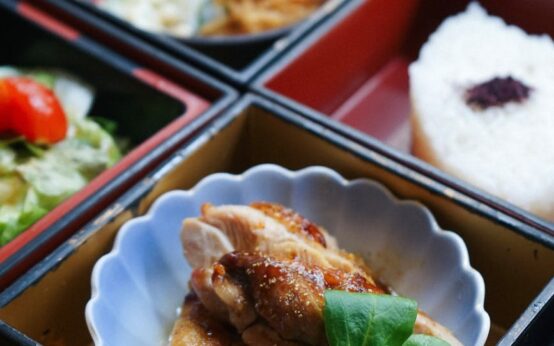 How to Meal Prep for the Week: A Beginner’s Guide
 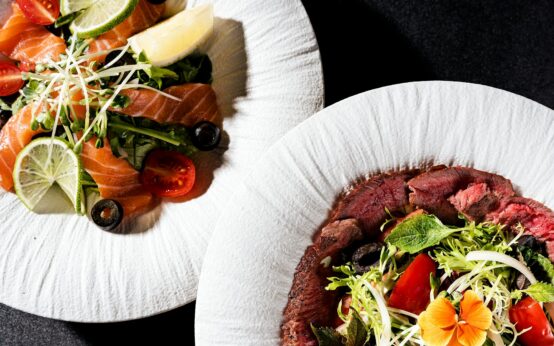 Top Foods That Reduce Inflammation: An Easy Guide
  Food Allergies vs. Intolerance: What’s the Difference?
  Healthy Smoothie Recipes for Weight Loss You’ll Love
  Foods That Reduce Inflammation: Your Ultimate Guide
  Foods That Help You Sleep: Your Ultimate Guide
  Backtest Crypto Trading Strategies: A Complete Guide
  NFT Standards: A Cross-Chain Guide for Creators & Collectors
  Decentralized Storage: IPFS & Arweave Explained Simply
  How to Calculate Cryptocurrency Taxes: A Simple Guide
  Your Guide to Music NFTs & Top Platforms for 2024
  TradingView for Crypto: The Ultimate Trader’s Guide