
 MMM
MMM Say Goodbye to Weekday Chaos: Your Ultimate Guide on How to Meal Prep for the Week
Let’s be real. It’s 6 PM on a Tuesday. You just got home, you’re exhausted, and the thought of figuring out what to cook feels like climbing a mountain. So, you reach for your phone and order takeout. Again. Sound familiar? We’ve all been there. But what if I told you there’s a way to reclaim your weeknights, save a surprising amount of money, and actually enjoy healthy, delicious food every single day? It’s not magic; it’s learning how to meal prep for the week, and it’s about to become your new superpower.
This isn’t about eating boring, repetitive meals from sad-looking plastic containers. Not at all. This is about being a strategic genius in your own kitchen. It’s about investing a couple of hours on a Sunday to gift your future self a week of stress-free, satisfying meals. Think of it as a weekly date with your kitchen that pays off in dividends of time, money, and well-being. Ready to transform your relationship with food and your schedule? Let’s get into it.
Key Takeaways:
- Meal prepping involves preparing meals or ingredients in advance to save time during the busy week.
- Success starts with a solid plan, a smart shopping list, and the right storage containers.
- Focus on batch cooking versatile components (like grains, proteins, and roasted veggies) that can be mixed and matched.
- Start small to avoid overwhelm. Even prepping just your lunches for the week is a huge win!
So, What is Meal Prep, Really? (And Why You Should Care)
At its core, meal prepping is simply the act of preparing food in advance. That’s it. It’s not some rigid, complicated system reserved for fitness models and hyper-organized CEOs. It’s a flexible concept that you can adapt to fit your life, your diet, and your preferences. It can mean a few different things:
- Full Meals: Cooking complete breakfasts, lunches, and dinners and portioning them out into individual containers. Grab-and-go perfection.
- Batch Cooking: Making large quantities of specific ingredients. Think a big pot of quinoa, a tray of roasted sweet potatoes, or a batch of grilled chicken breasts. You can then use these components to quickly assemble different meals throughout the week.
- Ingredient Prep: Simply washing, chopping, and storing your vegetables and fruits so they’re ready to be tossed into a stir-fry, salad, or omelet at a moment’s notice.
Why should you even bother? Oh, let me count the ways. The most obvious benefit is time. Imagine getting back an hour every single night. What would you do with it? Read a book? Play with your kids? Actually watch that show you’ve been meaning to? Beyond that, you gain complete control over your ingredients, which almost always leads to healthier eating. No more mystery sauces or hidden sugars from takeout. And let’s not forget the financial win. Cooking at home is drastically cheaper than eating out or relying on last-minute grocery runs for expensive pre-made meals. The savings add up faster than you’d think.
Getting Started: Your Pre-Prep Checklist
Before you dive headfirst into a cooking marathon, a little preparation goes a long way. Setting yourself up for success is half the battle. You don’t need a state-of-the-art kitchen, just a few key items and a bit of forethought.
The Right Containers are a Game-Changer
This is non-negotiable. Good containers are the foundation of a solid meal prep routine. They keep your food fresh, organized, and portable. It’s worth investing in a quality set.
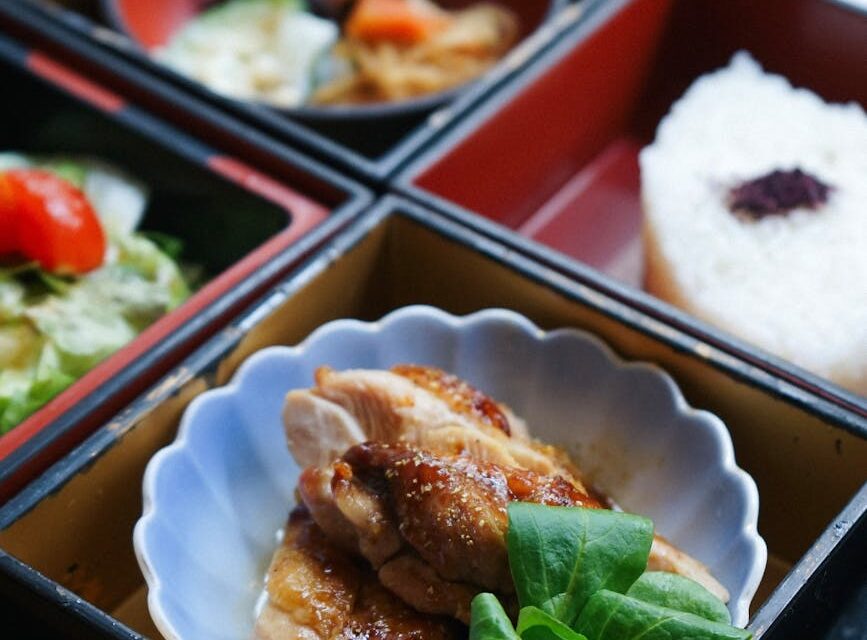
Glass vs. Plastic: Glass containers are fantastic. They don’t stain or hold odors (goodbye, leftover curry smell!), they’re microwave and oven safe, and they last forever. The downside? They’re heavier and can break. High-quality, BPA-free plastic containers are a great, lightweight, and budget-friendly alternative. They are less durable in the long run but are perfect for getting started.
Compartments are Your Friend: Consider containers with built-in dividers. These are perfect for keeping a main dish separate from its sides, preventing everything from getting soggy. A salad with the dressing on the side? A stir-fry kept separate from the rice until you’re ready to eat? Compartments make it happen.
Essential Kitchen Tools
You probably already have most of what you need. Don’t feel like you have to rush out and buy a bunch of fancy gadgets. Here are the true workhorses of meal prep:
- A good, sharp chef’s knife
- Multiple cutting boards (use one for raw meat and another for produce)
- Large baking sheets for roasting veggies and proteins
- A large stockpot for grains, soups, or stews
- A skillet or frying pan
- Measuring cups and spoons
- A food scale (optional, but incredibly helpful for accurate portioning)
- A slow cooker or Instant Pot (these can be lifesavers for batch cooking!)
Your Pantry & Fridge Staples
A well-stocked kitchen makes planning and prepping a breeze. Try to keep these basics on hand:
- Grains: Quinoa, brown rice, oats, whole-wheat pasta
- Proteins: Canned beans (chickpeas, black beans), lentils, eggs, chicken breasts or thighs, ground turkey
- Healthy Fats: Olive oil, coconut oil, avocados, nuts, seeds
- Veggies: Onions, garlic, carrots, celery, bell peppers. Frozen vegetables are a fantastic, budget-friendly option too!
- Flavor Boosters: Low-sodium broth, canned tomatoes, various spices and herbs, soy sauce, mustard, vinegar
The 5-Step Guide to Successful Meal Prep for the Week
Okay, you’re armed with containers and a plan. Now for the main event. Here’s a simple, step-by-step process to guide you through your first (and every subsequent) prep session.
Step 1: Plan Your Menu (The Fun Part!)
Don’t skip this step! Going into a prep session without a plan is a recipe for chaos and wasted food. Grab a notebook or open a notes app. Decide what you want to eat for the week. Start small—maybe just lunches. Or pick two dinner recipes you can alternate.
Pro Tip: Choose recipes that share ingredients. If you’re buying a bag of carrots, plan one meal with roasted carrots and another that uses shredded carrots in a salad. This minimizes waste and simplifies your shopping list.
Look for inspiration online. Pinterest, food blogs, and Instagram are treasure troves of meal prep ideas. Write down every meal you plan to make, from Monday’s breakfast to Friday’s lunch.
Step 2: Build Your Smart Shopping List
Go through your chosen recipes and list every single ingredient you need. Now, the crucial part: check your pantry, fridge, and freezer. Cross off anything you already have. This five-minute check can save you from buying a third jar of paprika you didn’t know you owned. Organize your list by store section (produce, dairy, meat, pantry) to make your shopping trip fast and efficient. Stick to the list! You’re on a mission.
Step 3: Schedule Your Prep Time
Look at your week and block out a 2-3 hour window for your meal prep. For most people, Sunday afternoon is perfect. But a Monday morning or a Wednesday evening can work just as well. The key is to treat it like an important appointment. Put it in your calendar. Put on your favorite music or a podcast. Make it an enjoyable ritual, not a chore. Having this dedicated time is crucial; trying to squeeze it in here and there will only lead to stress.
Step 4: The Main Event – Cook & Assemble
It’s go time! This is where you put your plan into action. To be efficient, you need to multitask.
- Start with what takes the longest. Get your grains (rice, quinoa) cooking on the stove. If you’re roasting vegetables or baking chicken, get them in the oven first. These items can cook while you work on other things.
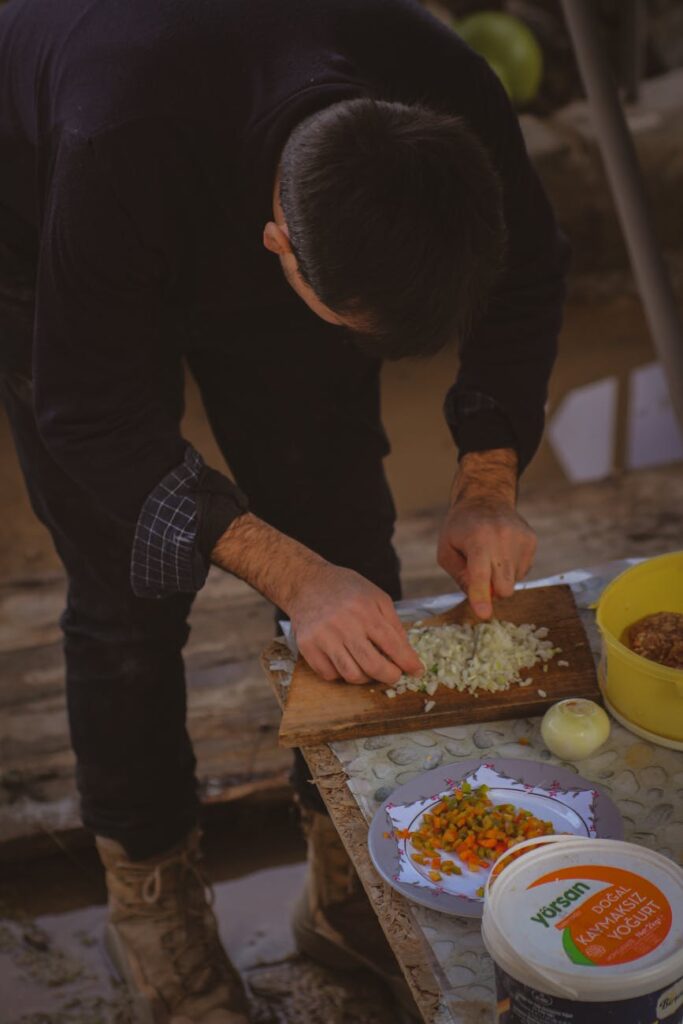
- Wash and chop all your produce at once. Get all your vegetable prep done in one go. You’ll feel incredibly productive, and it makes the rest of the assembly line a breeze. Chop onions, dice peppers, wash lettuce, and spiralize zucchini.
- Cook your proteins. While the oven and stove are doing their thing, cook your other proteins. Grill chicken, brown ground turkey, or hard-boil some eggs.
- Cool and portion. This is critical for food safety. Let all hot food cool down considerably before you put lids on the containers and transfer them to the fridge. Trapping steam creates a moist environment where bacteria can thrive. Once cooled, portion everything out into your containers according to your plan.
Step 5: Store It Right
Your beautiful meals are prepped! Now, store them properly to ensure they stay fresh and delicious. Most prepped meals will last 3-4 days in the refrigerator. If you’ve prepped for the full 5-7 days, consider freezing the meals for the end of the week. Label everything with the name of the meal and the date it was made. It seems like a small step, but it’s a lifesaver when you’re staring into a fridge full of identical-looking containers.
Sample Meal Prep Ideas for Beginners
Feeling stuck on what to make? Here are some simple, mix-and-match ideas to get you started. These focus on versatile components you can combine in different ways to avoid food boredom.

Breakfast Ideas
- Overnight Oats: The easiest breakfast ever. Combine rolled oats, milk (or a non-dairy alternative), chia seeds, and a little maple syrup in a jar. Shake it up and leave it in the fridge. In the morning, top with berries or nuts.
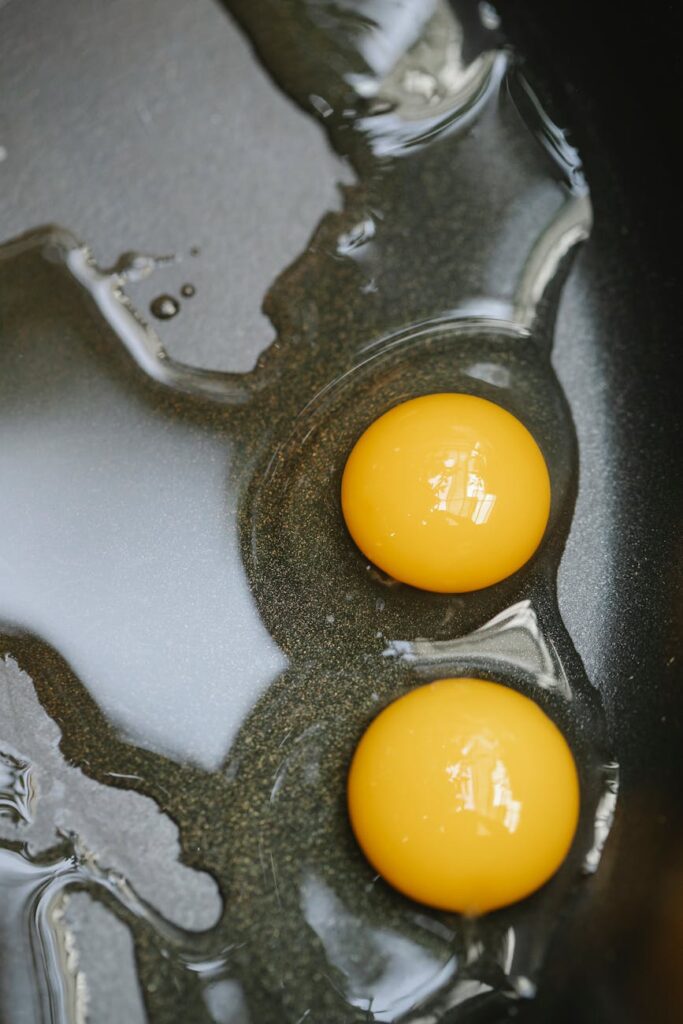
- Egg Muffins: Whisk a dozen eggs with chopped spinach, bell peppers, and a little cheese. Pour into a muffin tin and bake. You’ll have grab-and-go mini frittatas for days.
- Yogurt Parfaits: Layer Greek yogurt, berries, and granola in a jar for a quick and satisfying breakfast.
Lunch Ideas
- The Classic Bowl: This is the ultimate customizable meal. Pick a base (quinoa), a protein (grilled chicken), a veggie (roasted broccoli), a healthy fat (avocado), and a sauce (lemon-tahini dressing). Portion them into containers and you’re set.
- Deconstructed Salads: Keep your ingredients separate to avoid sogginess. Pack your container with chopped romaine, cherry tomatoes, cucumber, chickpeas, and grilled salmon. Bring a small container of vinaigrette to add right before eating.
- Hearty Soup: Make a big pot of lentil or black bean soup on Sunday. It often tastes even better the next day.
Dinner Ideas
- Sheet Pan Dinners: Toss chicken sausage, bell peppers, onions, and sweet potato chunks with olive oil and spices. Roast on a large baking sheet. Divide into portions for easy reheating.
- Taco Bowls: Cook a batch of seasoned ground turkey. Prep bowls with a base of rice or lettuce, and add the turkey, black beans, corn salsa, and a dollop of Greek yogurt or sour cream.
- Pasta and Veggies: Cook a box of whole-wheat pasta. Sauté a ton of veggies like zucchini, mushrooms, and spinach with garlic. Combine with the pasta and a jar of your favorite marinara sauce.
Conclusion
Learning how to meal prep for the week is more than just a kitchen hack; it’s a form of self-care. It’s a commitment to your health, your budget, and your sanity. It might feel a little awkward at first, and your first prep session might take longer than you expect. That’s okay. Stick with it. Start small, find a system that works for you, and celebrate the small wins. Soon, you’ll be looking at your beautifully organized, food-filled fridge with a sense of pride and relief, knowing that you’ve set yourself up for a successful, delicious, and stress-free week.
FAQ
How long does prepped food last in the fridge?
As a general rule, most cooked meals will stay fresh and safe to eat for 3-4 days when stored in an airtight container in the refrigerator. For meals you plan to eat later in the week (day 5-7), it’s best to store them in the freezer to maintain quality and safety.
I get bored eating the same thing. How can I keep my meal prep interesting?
This is a common concern! The key is to prep components, not just full meals. Cook a batch of chicken, but one day use it in a salad, the next in a wrap, and the next with roasted veggies. Also, use different sauces and spices. A simple change of dressing or seasoning can completely transform a meal, keeping your taste buds excited all week long.


 Top Foods That Reduce Inflammation: An Easy Guide
  Food Allergies vs. Intolerance: What’s the Difference?
  Healthy Smoothie Recipes for Weight Loss You’ll Love
  Foods That Reduce Inflammation: Your Ultimate Guide
  Foods That Help You Sleep: Your Ultimate Guide
  Food Allergy vs. Intolerance: What’s the Difference?
  Backtest Crypto Trading Strategies: A Complete Guide
  NFT Standards: A Cross-Chain Guide for Creators & Collectors
  Decentralized Storage: IPFS & Arweave Explained Simply
  How to Calculate Cryptocurrency Taxes: A Simple Guide
  Your Guide to Music NFTs & Top Platforms for 2024
  TradingView for Crypto: The Ultimate Trader’s Guide