
 MMM
MMM The Real-World Use Cases of Blockchain Technology Beyond Finance
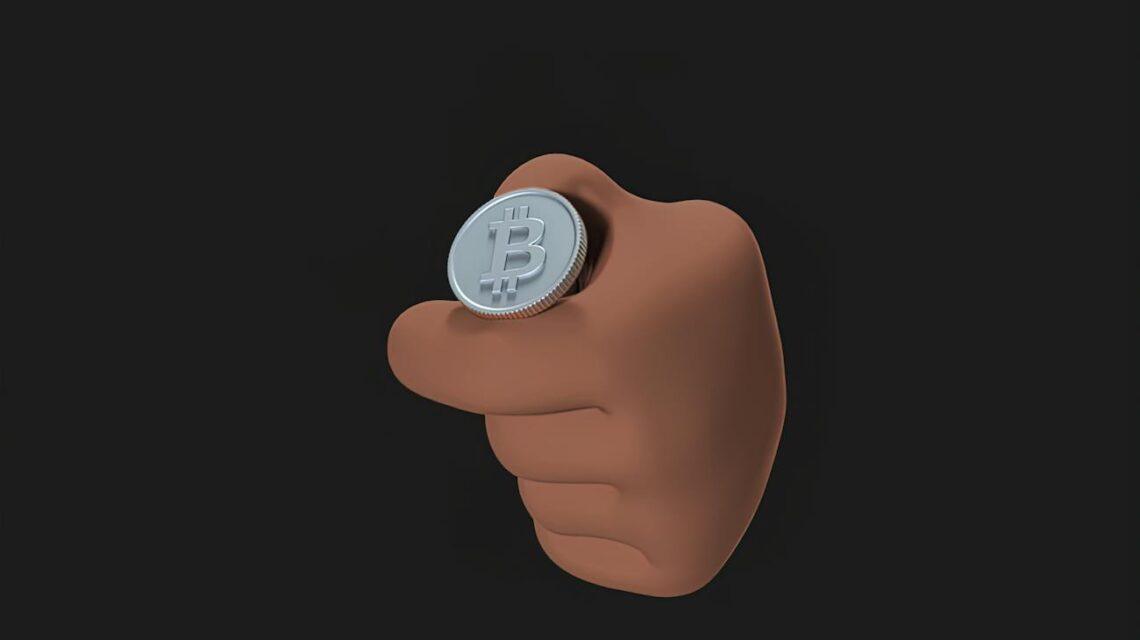
For many, the word “blockchain” conjures images of Bitcoin and volatile cryptocurrency markets. While blockchain’s roots lie in finance, its potential stretches far beyond. Think of blockchain as a powerful engine with diverse applications, ready to revolutionize industries from healthcare to supply chain management. This article dives into the exciting real-world use cases of blockchain that are reshaping our world.
Beyond the Hype: Understanding the Core Value
At its heart, blockchain is a decentralized, immutable ledger. Imagine a shared, digital record book distributed across a network of computers. Each transaction, or block, is cryptographically secured and linked to the previous one, forming a chain. This inherent transparency and security are the keys to blockchain’s transformative power.
1. Revolutionizing Supply Chains
Ever wonder about the journey your coffee beans take from farm to cup? Blockchain can provide unprecedented visibility into every step of the supply chain. From origin to delivery, each transaction is recorded, ensuring authenticity and preventing fraud. This transparency empowers consumers to make informed choices and helps businesses optimize their processes.
- Tracking product provenance: Verify the origin of goods, combating counterfeiting.
- Streamlining logistics: Reduce delays and improve efficiency by automating documentation.
- Enhancing transparency: Build trust with consumers by providing a clear view of the supply chain.
2. Transforming Healthcare
Imagine a world where your medical records are securely stored and easily accessible, yet completely under your control. Blockchain can make this a reality. By providing a secure and interoperable platform, blockchain can revolutionize healthcare data management.
- Secure medical records: Empower patients with control over their data and ensure privacy.
- Streamlined data sharing: Facilitate secure and efficient data exchange between healthcare providers.
- Drug traceability: Combat counterfeit drugs and ensure the authenticity of pharmaceuticals.

3. Securing Digital Identities
In our increasingly digital world, protecting our online identities is paramount. Blockchain offers a robust solution by providing a decentralized and secure platform for managing digital identities. This can streamline processes like KYC (Know Your Customer) and reduce the risk of identity theft.
- Self-sovereign identity: Give individuals control over their digital identities.
- Secure authentication: Enhance online security and prevent unauthorized access.
- Simplified verification: Streamline identity verification processes for various services.
4. Empowering Voting and Governance
Blockchain has the potential to revolutionize voting systems, making them more secure, transparent, and accessible. By recording votes on an immutable ledger, blockchain can enhance trust in democratic processes and prevent fraud.
- Transparent elections: Increase trust in the electoral process through verifiable results.
- Enhanced security: Reduce the risk of voter fraud and manipulation.
- Improved accessibility: Make voting more accessible to marginalized communities.
5. Protecting Intellectual Property
Protecting creative works in the digital age is a constant challenge. Blockchain can help artists and creators secure their intellectual property rights by providing a tamper-proof record of ownership and provenance.
“Blockchain technology offers a unique opportunity to reimagine how we manage and protect intellectual property in the digital world.”
From music and art to software and patents, blockchain can revolutionize how we track and manage intellectual property.
6. Transforming the Energy Sector
Blockchain can facilitate peer-to-peer energy trading, allowing individuals and businesses to buy and sell renewable energy directly. This can empower consumers and promote the adoption of sustainable energy solutions.
7. Revolutionizing Digital Art and NFTs
Non-Fungible Tokens (NFTs) have exploded in popularity, transforming the art world. NFTs, built on blockchain technology, provide a way to verify the ownership and authenticity of digital art and collectibles.
The Future of Blockchain
The potential applications of blockchain are vast and constantly evolving. As the technology matures and adoption grows, we can expect to see even more innovative and transformative use cases emerge. Blockchain is not just about finance; it’s about building a more secure, transparent, and efficient future.


 Backtest Crypto Trading Strategies: A Complete Guide
  NFT Standards: A Cross-Chain Guide for Creators & Collectors
  Decentralized Storage: IPFS & Arweave Explained Simply
  How to Calculate Cryptocurrency Taxes: A Simple Guide
  Your Guide to Music NFTs & Top Platforms for 2024
  TradingView for Crypto: The Ultimate Trader’s Guide
  Backtest Crypto Trading Strategies: A Complete Guide
  NFT Standards: A Cross-Chain Guide for Creators & Collectors
  Decentralized Storage: IPFS & Arweave Explained Simply
  How to Calculate Cryptocurrency Taxes: A Simple Guide
  Your Guide to Music NFTs & Top Platforms for 2024
  TradingView for Crypto: The Ultimate Trader’s Guide