

 MMM
MMM From Dream to Deal: Navigating the Business of Independent Filmmaking
You’ve got a story that burns inside you. You see the scenes, you hear the dialogue, you feel the emotional beats. You’re a filmmaker. But here’s the cold, hard truth they don’t teach you in film school: making a great film is only half the battle. The other half? It’s business. Navigating the business of independent filmmaking is often the unseen, unglamorous gauntlet that separates a finished film from a pipe dream. It’s about spreadsheets as much as it is about storyboards. It’s about contracts as much as it is about character arcs. For many creatives, this feels daunting, even alienating. But it doesn’t have to be. Shifting your mindset from a pure artist to an artist-entrepreneur is the single most important step you can take toward a sustainable career. This isn’t about selling out; it’s about buying in—to your own success.
Key Takeaways:
– Success in indie film requires a dual mindset: you must be both a creative artist and a savvy entrepreneur.
– Formalizing your project with a business entity (like an LLC) is crucial for liability protection and attracting investors.
– A diversified funding strategy, from grants to equity investors, is more resilient than relying on a single source.
– Distribution and marketing aren’t afterthoughts; they should be planned from the very beginning of your project.
The Artist-Entrepreneur: Your Most Important Role
Let’s get one thing straight. Nobody is going to care about your film as much as you do. Nobody. That passion is your greatest asset, but it can also be your biggest blind spot if it isn’t paired with a healthy dose of business acumen. The romantic notion of the starving artist is, frankly, a terrible business model. The goal is to be a thriving artist.
This means you have to wear two hats. When you’re writing or directing, wear the artist hat. Be bold, be vulnerable, serve the story. But when you’re planning, pitching, or negotiating, you must switch to the entrepreneur hat. This hat is pragmatic, strategic, and focused on the bottom line. It understands that a film is a product, a startup company, and an investment. It’s a tough switch, and it can feel jarring. One minute you’re discussing the emotional nuance of a close-up, the next you’re dissecting the waterfall provision in a private placement memorandum. It’s wild. But it’s the job.
Think of it like this: your film is a small company, and you are its CEO. Your responsibilities extend beyond the creative. You are responsible for raising capital, managing resources, mitigating risk, and ultimately, delivering a return on investment—whether that return is financial for your investors or cultural for your audience. This mindset shift is foundational. Without it, you’ll constantly be at the mercy of others who *do* understand the business, and they may not have your story’s best interests at heart.
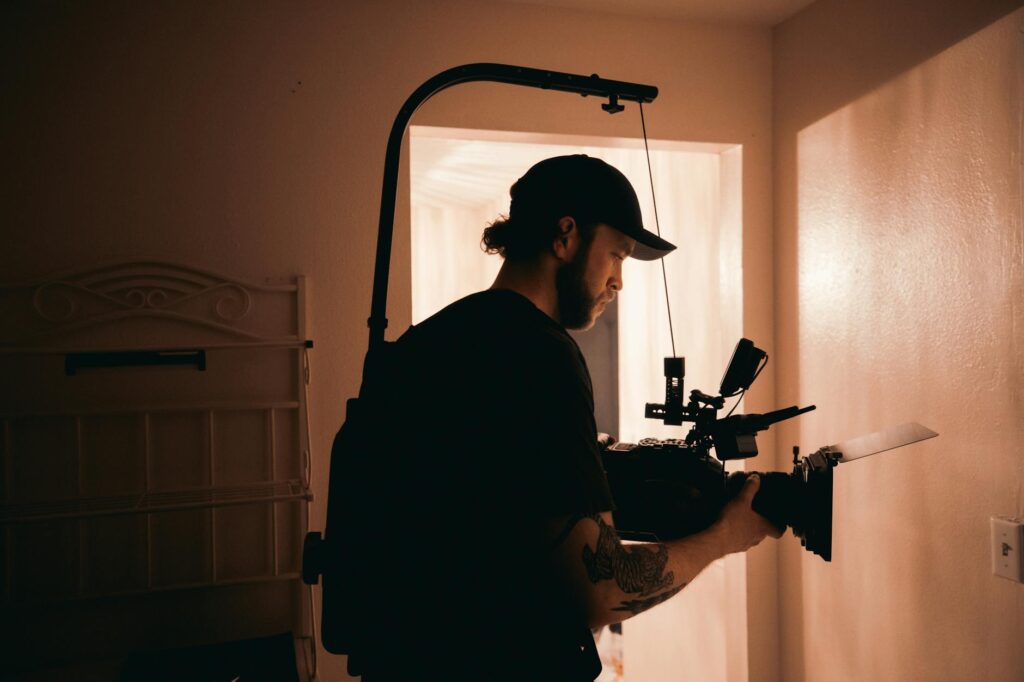
Building Your Foundation: Legal and Corporate Structure
Before you take a single dollar from an investor or hire your first crew member, you need a proper legal structure. Operating as a sole proprietor is a massive, unnecessary risk. One accident on set, one contractual dispute, and your personal assets—your car, your house, your savings—could be on the line. It’s terrifying. This is where forming a business entity comes in.
Why an LLC is Your Best Friend
For most independent films, the Limited Liability Company (LLC) is the go-to entity. Here’s why:
- Liability Protection: This is the big one. An LLC creates a legal barrier between the business and your personal life. If the company is sued, your personal assets are generally protected.
- Pass-Through Taxation: Profits and losses from the LLC are “passed through” to the individual members (you and your partners/investors) and reported on your personal tax returns. This avoids the “double taxation” that can happen with C-Corporations.
- Flexibility: LLCs have fewer formal requirements than corporations. They are easier and cheaper to set up and maintain.
You’ll want to create a Single Purpose Entity (SPE), which is an LLC formed for the sole purpose of producing one specific film. This isolates the risk of one project from any others you might have. It also makes the accounting clean and transparent for investors, which they love.
Contracts, Clearances, and Covering Your Assets
Your film is built on a mountain of paperwork. Every single piece is critical. A handshake deal is a future lawsuit waiting to happen. You need everything in writing. Everything.
Key documents you absolutely must have executed properly include:
- Chain of Title: This is the paper trail that proves you own the rights to the story. It includes the copyright registration for the screenplay and any agreements for underlying works (like a book or life story). Without a clean chain of title, no distributor will touch your film.
- Crew Deal Memos: These contracts outline the pay, credit, and terms of employment for every single person on your crew.
- Talent Agreements & Releases: Contracts for your actors and appearance releases for anyone who appears on screen, even in the background.
- Location Agreements: Written permission to film at every location.
- Music & Footage Licenses: You can’t just use a cool song you like. You need to license the rights, which involves a sync license (to pair it with video) and a master license (to use a specific recording). Same goes for any archival footage or photos.
Getting this wrong can kill your film in post-production or lead to an expensive lawsuit. If legal paperwork isn’t your strong suit, this is the first place to spend money. Hire an experienced entertainment lawyer. It’s not a luxury; it’s a necessity.

The Money Hunt: Funding Your Vision
Ah, funding. The single biggest hurdle for most filmmakers. Raising money is a full-time job. It’s a sales job. You are selling a belief in yourself and your vision for a story that doesn’t exist yet. There’s no single path to financing a film, and most successful projects use a combination of sources.
Common Funding Models for Independent Filmmaking
- Equity Financing: This is where you sell ownership stakes in your film’s LLC to private investors. They give you money in exchange for a percentage of the profits (if any). This is high-risk for them, so you need a killer pitch deck, a solid business plan, and a realistic budget. Your investors could be high-net-worth individuals, other film companies, or even friends and family (though be careful with that!).
- Crowdfunding: Platforms like Kickstarter and Indiegogo are powerful tools, but they are not magic money machines. A successful campaign is a massive marketing effort that starts months before you launch. You’re not just asking for money; you’re building an audience and proof of concept.
- Grants and Labs: Organizations like the Sundance Institute, The Gotham, and regional film commissions offer grants and fellowships. These are incredibly competitive but come with the huge bonus of validation and mentorship.
- Pre-Sales: This is more advanced. It involves selling the distribution rights for your film in specific territories *before* it’s even made. A distributor agrees to pay a certain amount upon delivery of the finished film. You can then take that contract to a bank to get a loan to finance production.
- Tax Incentives: Many states and countries offer tax credits or rebates to productions that film and spend money in their location. This can be a significant chunk of your budget, often 20-40% of qualified expenses.
Remember this: Investors are not investing in a movie. They are investing in a business plan and, most importantly, they are investing in YOU. They need to trust that you are the person who can responsibly take their money and execute the vision, navigating the hundreds of problems that will inevitably arise.
Mastering the Budget: More Than Just Numbers
Your budget is your roadmap. It’s a creative document as much as a financial one. Every line item represents a creative choice. Can we afford that experienced Director of Photography? Can we get that one perfect location? Your budget dictates the scope and quality of your film.
A professional film budget is incredibly detailed, broken down by departments and production phases (prep, principal photography, post, etc.). You’ll use software like Movie Magic Budgeting or a robust spreadsheet. The key is to be realistic. Don’t just guess what a camera package costs; get quotes. Don’t just estimate insurance; talk to a broker.
Crucially, always include a contingency. This is a percentage of your budget (usually 10%) set aside for unforeseen costs. And trust me, there will be unforeseen costs. A generator will fail. A location will fall through. It will rain on your one exterior day. Your contingency is what saves you from shutting down production. If you present a budget to an investor without a contingency, they will immediately know you’re an amateur.
The Final Mile: Distribution and Marketing
You finished the film. Congratulations! Pop the champagne. Now the real work begins. A film sitting on a hard drive is worthless. Getting it seen is the final, crucial step in the business of independent filmmaking.
Your distribution strategy should begin before you even shoot. Who is the audience for this film? How will you reach them? The landscape has changed dramatically. Theatrical distribution is the white whale for many, but it’s not the only option. In fact, for most indie films, it’s not the most profitable one.

Exploring Your Distribution Avenues
- Film Festivals: The traditional launchpad. A good festival run (Sundance, TIFF, SXSW, etc.) can build buzz, get reviews, and attract the attention of distributors. But festival strategy is key; don’t just shotgun your film everywhere. Target festivals that are a good fit for your genre and budget.
- Traditional Distribution: This involves selling the rights to your film to a distribution company (like A24, Neon, or a smaller outfit) who then handles the marketing and release. You’ll get an advance (a Minimum Guarantee or MG) and/or a share of the revenue after they recoup their expenses.
- Self-Distribution / Hybrid Models: Thanks to Transactional Video on Demand (TVOD) platforms like Apple TV and Amazon Prime Video, you can now be your own distributor. You hire an aggregator to get your film onto the platforms, and you control the marketing and keep a much larger percentage of the revenue. It’s more work, but it can be more lucrative.
No matter the path, you need a marketing plan. This includes a professional poster, a compelling trailer, a press kit, and a social media presence. You need to start building your audience from day one. Share behind-the-scenes content. Talk about your themes. Engage with communities that would be interested in your story. By the time the film is ready, you’ll have an eager audience waiting for it.
Conclusion
The journey of making an independent film is a marathon, not a sprint. It tests your creativity, your resilience, and your business savvy in equal measure. Embracing the business side of filmmaking isn’t a chore; it’s the ultimate act of empowerment. It’s how you protect your vision, honor your collaborators, respect your investors, and give your story the best possible chance to find its audience. So put on your entrepreneur hat. Build your foundation, chase the money, manage it wisely, and plan your path to the world. Now go make your movie.
FAQ
Do I really need an entertainment lawyer? Can’t I use templates online?
While templates can be a starting point, they are no substitute for professional legal advice. Entertainment law is incredibly specialized. A good lawyer will not only provide you with tailored contracts but will also help you navigate negotiations, understand deal terms, and avoid common pitfalls that could jeopardize your entire project. The cost of a lawyer upfront is a fraction of what a lawsuit or a fatal flaw in your chain of title will cost you later.
What’s more important: a great script or a well-known actor?
It’s the classic chicken-and-egg question. Ideally, you have both. A truly phenomenal, high-concept script can sometimes attract funding on its own. However, for most projects, attaching a recognizable actor (even a B-list or C-list name with a following) is the most effective way to unlock financing. The actor is a known “element” that reduces risk for investors and makes the film more marketable to distributors. Often, you need the great script to attract the actor, who in turn attracts the money.
How much of the budget should I allocate to marketing and distribution?
This is a critical question that many first-time filmmakers forget to ask. You should absolutely have a line item in your budget for marketing and festival submission fees. If you’re planning a self-distribution or hybrid strategy, your marketing budget (known as P&A, or Prints & Advertising) can be substantial, sometimes as much as 50% of the production budget itself. For a festival-focused strategy, you should still budget at least $5,000 – $15,000 for submission fees, travel, and creating marketing materials like a poster and trailer.


 Digital Twins in Manufacturing: A Revolution in Production
  Boost CX with Augmented Reality: Your Ultimate Guide
  Headless Commerce Explained: Is It Right for Your Brand?
  Quantum Computing’s Potential: A Business Guide
  Prepare Your Business for a Black Swan Event: A Guide
  Build a Business That Runs Without You: A Founder’s Guide
  Backtest Crypto Trading Strategies: A Complete Guide
  NFT Standards: A Cross-Chain Guide for Creators & Collectors
  Decentralized Storage: IPFS & Arweave Explained Simply
  How to Calculate Cryptocurrency Taxes: A Simple Guide
  Your Guide to Music NFTs & Top Platforms for 2024
  TradingView for Crypto: The Ultimate Trader’s Guide