

 MMM
MMM The Venice You Haven’t Met: Why the Off-Season Gondola Ride is the Only One That Matters
Picture Venice. What do you see? I bet it’s a sun-drenched Grand Canal, absolutely choked with boats. Gondolas are packed bow-to-stern, a traffic jam of stripes and songs. The Rialto Bridge is a solid mass of humanity, a sea of selfie sticks glinting in the harsh midday sun. It’s the postcard image. It’s the one we’ve all been sold. And honestly? It’s a little bit of a lie. The real magic, the soul-stirring, whisper-quiet Venice that poets wrote about, doesn’t live in July. It waits for the crowds to leave. It reveals itself most profoundly from the cushioned seat of a gondola ride off-season, when the city finally exhales.
Forgetting the peak-season fantasy is the first step toward an experience that’s genuinely unforgettable. Think less theme park, more living museum. When the oppressive heat and humidity of August give way to the crisp air of October, or the ethereal mist of January, Venice transforms. The canals become quiet arteries, not tourist highways. The lapping of water against ancient stone is no longer drowned out by a cacophony of a dozen different languages. You can actually hear the city breathe. This is the Venice that captures your heart, and the off-season gondola ride is your front-row ticket to the show.
Key Takeaways
- Authentic Atmosphere: Experience the true, moody, and romantic character of Venice without the distraction of overwhelming crowds.
- Photographer’s Dream: Capture stunning, unobstructed photos of iconic landmarks and quiet canals in the unique, soft light of autumn and winter.
- A More Personal Experience: Gondoliers are often more relaxed and engaging in the quieter months, offering richer stories and a less-rushed tour.
- Sensory Delight: The off-season allows you to hear the subtle sounds of the city—the oar in the water, distant church bells—and feel the crisp, fresh air.
- Value for Money: While official prices are fixed, the overall experience feels more exclusive and valuable, with less time spent waiting or navigating boat traffic.
Trading Summer Sun for Autumn Mist: A Brilliant Decision
Let’s be brutally honest for a moment. A gondola ride in August can be a sweaty, stressful, and wildly overpriced affair. You’re paying top dollar to be wedged between other boats, listening to a chorus of competing serenades, all while trying not to get sunburned. It’s an item to be checked off a list. It’s not an experience to be savored. The off-season flips this script entirely.
Escaping the Human Traffic Jam
The single greatest advantage of a gondola ride off-season is the profound absence of people. It’s a game-changer. In summer, the area around St. Mark’s Square feels like the entrance to a rock concert. The narrow back canals, which should be intimate and mysterious, are often clogged with a queue of boats. Your gondolier is stressed, you’re stressed, and the magic is… well, it’s hard to find.
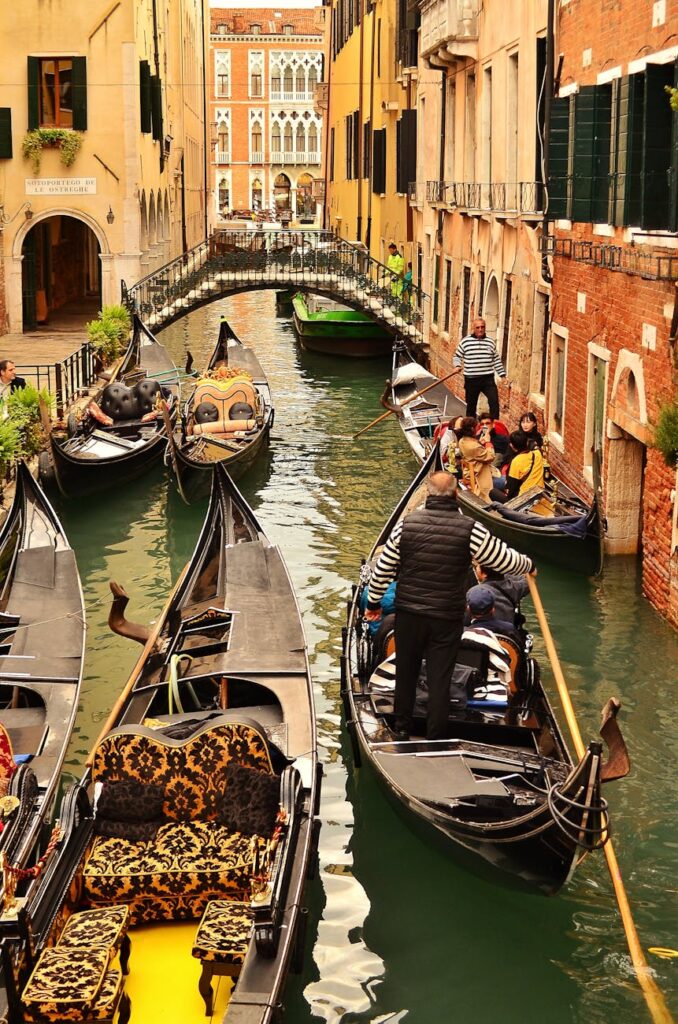
Now, imagine gliding from the Grand Canal into a smaller, residential waterway in November. Silence. The only sound is the gentle, rhythmic splash of your gondolier’s single oar, a technique passed down through generations. You see laundry hanging from a window, a cat lounging on a sunlit step, a resident greeting a neighbor. You’re not just observing Venice; you’re gliding through its living, breathing neighborhoods. You’re seeing the real city, the one that exists for Venetians, not just for tourists. This is impossible when you’re one of a thousand boats doing the exact same thing.
The Sound, Smell, and Feel of Real Venice
Our senses are often dulled by overstimulation. In peak season, the dominant smell is sunscreen and the dominant sound is noise. In the off-season, your senses reawaken. The air is crisp and clean, carrying the faint, briny scent of the lagoon. It’s invigorating. When your gondola passes a small bakery down a hidden alley, you can actually smell the bread baking. When a church bell tolls in the distance, the sound carries, pure and clear, across the water. It’s these small, sensory details that weave the true fabric of a place. You simply miss them in the summer chaos.
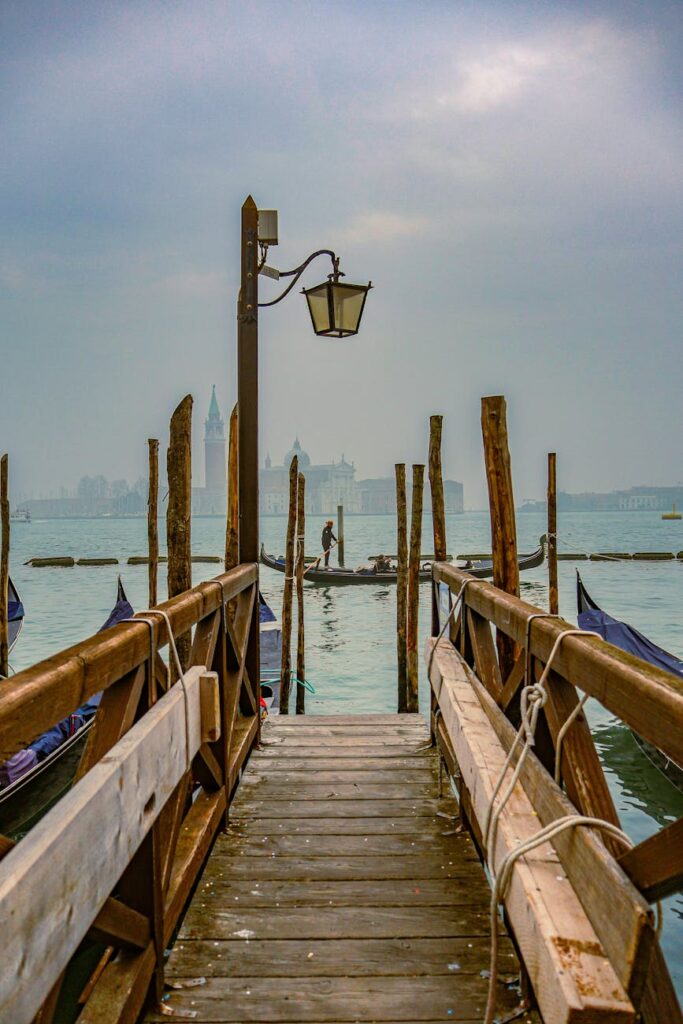
And the light! Oh, the light. The low-hanging sun of autumn and winter creates a photographer’s paradise. The ‘golden hour’ stretches on, casting a warm, honey-colored glow on the colorful, crumbling plaster of the palazzos. On other days, a soft, romantic mist rolls in from the lagoon, wrapping the city in a mysterious embrace. It mutes colors, softens edges, and creates an atmosphere of pure, cinematic beauty. Your photos won’t just be snapshots; they’ll be portraits of a city in its most soulful mood.
The Experience Itself: What an Off-Season Ride *Actually* Feels Like
So, you’ve decided to brave the potential chill. You’re layered up, you’ve found a gondola stand without a line, and you’re stepping onto the boat. What happens next is a form of time travel. The gentle rocking motion, the almost-silent propulsion… it connects you to a history stretching back over a thousand years. This was, for centuries, the only way to get around.
Your Gondolier: From Pilot to Storyteller
A summer gondolier is a pilot navigating a war zone. An off-season gondolier is a master of ceremonies. With time on their hands and fewer distractions, they often transform. They have the mental space to point out the subtle details you’d otherwise miss: a carved stone emblem high on a wall, the former home of a famous artist, the story behind a crooked bridge. They might share a personal anecdote about growing up in the city or explain the incredible skill it takes to navigate these tight corners with a 36-foot boat and a single oar.
You can ask questions. You can have a conversation. The ride becomes less of a transaction and more of a cultural exchange. They are proud of their city and their unique profession, and in the quiet season, they have the chance to truly share that pride with you. This personal connection is priceless and is a rare commodity during the summer rush.

Finding Serenity in the Back Canals
While gliding down the Grand Canal to see the Rialto Bridge and the grand palazzos is a must, the true heart of the off-season experience lies in the ‘rii’—the smaller, neighborhood canals. Here, the water is often like glass, offering perfect, shimmering reflections of the buildings above. You duck under tiny, ancient bridges. You see the city from a perspective of profound intimacy. It’s quiet enough to feel like you have the entire city to yourself. This is where you fall in love with Venice.
“In the summer, Venice shouts at you. In the winter, it whispers. You have to lean in closer to hear its secrets, and a gondola is the best way to listen.”
This is the core of it. The off-season ride isn’t about the grand, loud spectacle. It’s about the intimate, quiet conversation. It’s about finding a moment of pure, unadulterated peace in one of the world’s most beautiful, and usually busiest, cities.
Your Practical Guide to the Perfect Off-Season Gondola Ride
Convinced? Good. Planning for an off-season ride is simple, but a few key preparations will make the experience even better. It’s not just about showing up; it’s about showing up ready to embrace the unique conditions that make this time of year so special.
When, Exactly, is the Off-Season?
Generally, the sweet spot is from late October through March. However, you’ll want to be mindful of a few exceptions. The period around Christmas and New Year’s can see a spike in visitors, and the city becomes incredibly crowded (and expensive) during Carnivale, which usually falls in February or early March. For the quietest experience, aim for early November, January, or early February before the festival kicks off.
What to Wear: Layering is Your Best Friend
This is non-negotiable. It can get surprisingly cold out on the water, even on a sunny winter day. The dampness from the canals creates a distinct chill that can seep into your bones if you’re not prepared. Don’t ruin the romance by shivering uncontrollably. Think layers:
- Base Layer: A long-sleeved shirt or thermal top.
- Mid Layer: A warm sweater, fleece, or pullover. Cashmere or merino wool are excellent choices.
- Outer Layer: A proper winter coat, preferably one that is wind-resistant.
- Accessories: A warm scarf, a hat or beanie, and a pair of gloves are essential. You’ll be so glad you have them.
- Footwear: Comfortable, warm, and preferably waterproof shoes.
Many gondoliers provide cozy tartan blankets, which adds to the charm, but you shouldn’t rely on that alone. Dress warmly, and you’ll be perfectly comfortable and able to focus on the stunning scenery around you.
Choosing Your Route and Setting Expectations
The standard gondola ride is about 30-40 minutes and follows a set loop, or ‘giro’, from its designated station (‘stazio’). These usually include a mix of small canals and a brief stretch on the Grand Canal. In the off-season, you have a bit more leverage. You can certainly ask your gondolier if it’s possible to spend more time in the quiet back canals or focus on a specific area you’d like to see. If they’re not busy, they are often happy to oblige.
Regarding price, the official daytime rate is set by the city and is typically around €80 for the boat (not per person). After 7 PM, the rate increases. While you might hear stories of people haggling, it’s not a common practice. The real ‘deal’ you’re getting in the off-season isn’t a lower price; it’s a vastly superior, more serene, and more memorable experience for that same €80.
Conclusion: The Venice You’ve Dreamed Of
The world has sold us a single, sun-bleached version of the Venetian dream. It’s a beautiful image, but it’s a crowded and often shallow one. The deeper, more resonant Venice—the one that has inspired artists and lovers for centuries—is still there. It’s just waiting for the curtain of summer crowds to fall.
Choosing a gondola ride in the off-season is choosing to see the city on its own terms. It’s trading the frantic energy of a blockbuster movie for the quiet intensity of an arthouse film. You get to see the subtle expressions, hear the quiet dialogue, and feel the real emotion of the place. So, when you plan your trip, think beyond the summer. Embrace the mist, pack a warm coat, and prepare to be truly enchanted. The quiet glide of a gondola through a silent, misty canal isn’t just a tour; it’s a memory that will stay with you forever.
Frequently Asked Questions
Is it too cold for a gondola ride in winter?
Not at all, provided you dress appropriately! As detailed above, layering is key. A warm coat, hat, scarf, and gloves will keep you perfectly comfortable. Most gondoliers also provide thick, cozy blankets to lay over your lap, which adds to the romantic, snug feeling of the ride. The crisp, fresh air is part of the invigorating experience.
Are gondola prices cheaper in the off-season?
The official rates for gondola rides are fixed by the city of Venice and are the same year-round. The standard daytime rate is for the boat, not per person. While the price on paper doesn’t change, the *value* you receive is infinitely higher. You get an unhurried, peaceful ride on uncongested canals, which is a far more premium experience than the one you get for the same price in the crowded summer months.
Do gondolas run if it’s raining or during ‘acqua alta’ (high water)?
Gondolas will operate in light rain, and gondoliers are equipped with large umbrellas to help keep passengers dry. However, they will cease operations during heavy downpours, strong winds, or storms for safety reasons. During periods of ‘acqua alta’, or tidal flooding, services can be disrupted. If the water level is too high, gondolas cannot fit under many of the city’s smaller bridges, forcing them to either cancel rides or stick to a very limited route on the Grand Canal.


 Find Your Zen: The World’s Most Calming Hotel Lobbies
  Find the Best Train Carriages for Quiet & Scenic Views
  Hammock Reading: Finding Joy in Simple Pleasures
  Create a Sensory Souvenir: Remember Your Trip Forever
  The Calming Colors of a Santorini Sunset Explained
  Discover the World’s Best Planetariums: A Guide
  Backtest Crypto Trading Strategies: A Complete Guide
  NFT Standards: A Cross-Chain Guide for Creators & Collectors
  Decentralized Storage: IPFS & Arweave Explained Simply
  How to Calculate Cryptocurrency Taxes: A Simple Guide
  Your Guide to Music NFTs & Top Platforms for 2024
  TradingView for Crypto: The Ultimate Trader’s Guide