


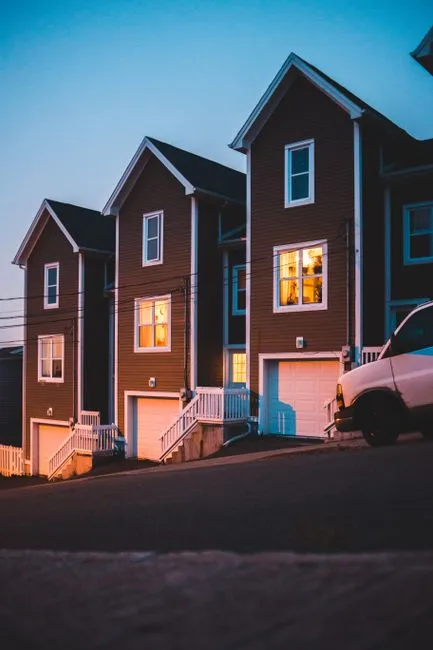
House Hacking: How to Live for Free by Renting Out Extra Units
House hacking is a powerful real estate strategy that allows you to significantly reduce or even eliminate your housing costs. By purchasing a multi-unit property or a single-family home with extra space, you can live in one unit and rent out the others. This generates income to cover your mortgage and other expenses.
Table of Contents
Imagine owning a home and having your tenants pay for it. This isn’t a pipe dream; it’s the reality for many successful house hackers. It’s a smart way to build equity and financial freedom at an accelerated pace.
The core idea is simple: leverage your primary residence to generate passive income. This strategy can be applied in various ways, making it accessible to a wide range of investors and homeowners.


What Exactly is House Hacking?
At its heart, house hacking involves living in one part of a property while renting out the other portions. This typically applies to owner-occupied duplexes, triplexes, or quadplexes. You become a landlord while also being a resident.
It’s not limited to multi-family buildings, though. A single-family home with an in-law suite, a finished basement apartment, or even renting out spare bedrooms can qualify as house hacking. The key is that you are actively living in the property you are generating rental income from.
This approach offers a unique blend of homeownership and investment. You gain the benefits of living in your own space, alongside the financial advantages of real estate investing.
Why Consider House Hacking? The Compelling Benefits
The primary allure of house hacking is undeniable: reducing your personal living expenses. The rental income you collect can offset, or entirely cover, your mortgage payment. This frees up a significant portion of your monthly budget.
Beyond saving money, house hacking is a fantastic entry point into real estate investing. It allows you to acquire investment properties with a lower barrier to entry than purely investment-focused purchases.
You’ll also gain invaluable experience as a landlord. Managing tenants and property firsthand provides practical knowledge that’s hard to replicate. This experience is crucial for scaling your real estate portfolio in the future.
Furthermore, house hacking can accelerate wealth building. As you pay down the mortgage with rental income, your equity grows. Property appreciation adds another layer to your growing net worth.
Different Ways to House Hack
The beauty of house hacking lies in its adaptability. There are several popular models to suit different needs and property types. Understanding these options is key to finding the best fit for you.
Multi-Family Properties
This is the most classic form of house hacking. Purchasing a duplex (two units), triplex (three units), or quadplex (four units) is ideal. You live in one unit and rent out the others.
These properties often allow for lower down payments and more favorable mortgage terms because they are considered owner-occupied. Lenders are generally more receptive to loans for properties where the owner resides.
Single-Family Homes with Accessory Dwelling Units (ADUs)
A single-family home with a detached or attached ADU, like a carriage house or a basement apartment, is another excellent option. You occupy the main house and rent out the separate living space.
This provides more privacy for both you and your tenants compared to sharing a single dwelling. The ADU could be a guest house, a converted garage, or a finished basement.
Renting Out Rooms
For those with a larger single-family home or a desire for even lower initial costs, renting out individual rooms is a viable strategy. You live in the home and rent out spare bedrooms to roommates.
This method requires a higher tolerance for shared living spaces but can generate substantial income. It’s a lower-commitment way to start house hacking.
House Hacking with Short-Term Rentals
While less common for a long-term strategy, some house hackers utilize platforms like Airbnb. They might rent out a portion of their owner-occupied property on a short-term basis.
This can yield higher per-night revenue but comes with increased management demands and potential regulatory hurdles. It’s crucial to research local laws and be prepared for more frequent turnover.


Is House Hacking Right for You? Key Considerations
House hacking is not without its challenges. Before diving in, it’s essential to weigh the pros and cons carefully. Self-reflection is your best tool here.
Your Tolerance for Being a Landlord
Being a landlord involves responsibilities. You’ll need to screen tenants, handle repairs, collect rent, and manage potential tenant issues. Are you comfortable with these tasks?
While property managers can be hired, they reduce your profit margins. Doing it yourself provides hands-on learning and saves money, but requires time and effort.
Financial Readiness
While house hacking can make housing affordable, you still need to qualify for a mortgage. This requires a good credit score, a stable income, and a down payment.
Owner-occupied loans often have lower down payment requirements (e.g., FHA loans require as little as 3.5%). This makes it more accessible for first-time homebuyers and real estate investors.
Location, Location, Location
Just like any real estate investment, location is paramount. You need a property in an area with good rental demand. Proximity to employment centers, universities, and amenities is crucial.
Researching local rental rates and vacancy rates will help you assess the income potential of a specific property and neighborhood. A strong rental market is vital for successful house hacking.
Property Management Skills
Even if you plan to manage yourself, understanding basic property maintenance and tenant relations is key. Being proactive with repairs can prevent bigger issues and keep tenants happy.
Developing strong communication skills will help you navigate interactions with your tenants smoothly. This can make a significant difference in your landlord experience.
Steps to Getting Started with House Hacking
Ready to take the plunge? Here’s a breakdown of how to begin your house hacking journey.
1. Educate Yourself Thoroughly
Immerse yourself in learning about real estate investing and house hacking. Read books, listen to podcasts, and connect with experienced investors. Understand market trends and financing options.
The more knowledge you acquire upfront, the more confident and successful you’ll be. This foundational knowledge will guide your decisions.
2. Assess Your Finances
Determine your budget and how much you can afford for a down payment and mortgage. Get pre-approved for a loan to understand your borrowing power.
Review your credit score and address any issues that might affect your loan eligibility. A strong financial profile is essential.
3. Find the Right Property
Work with a real estate agent experienced in multi-family or investment properties. Search for properties that meet your criteria for location, condition, and income potential.
Be prepared to analyze potential deals. Calculate your potential rental income against your expenses to ensure profitability.

4. Secure Financing
Choose the mortgage that best suits your situation, considering options for owner-occupied properties. Understand the terms and conditions of your loan.
Having your financing in place will give you a competitive edge when making an offer.
5. Prepare Your Property
Once you close on the property, make any necessary repairs or renovations to attract good tenants. Ensure each rental unit is safe, clean, and functional.
Consider minor upgrades that can improve curb appeal and tenant satisfaction.
6. Find and Screen Tenants
Advertise your rental units effectively. Develop a thorough tenant screening process, including credit checks, background checks, and rental history verification.
Choosing reliable tenants is crucial for consistent income and a stress-free landlord experience.
7. Manage Your Property
Collect rent on time, handle maintenance requests promptly, and enforce lease terms consistently. Keep accurate records of all income and expenses.
This ongoing management ensures the long-term success of your house hacking venture.
Challenges and How to Overcome Them
Despite its advantages, house hacking presents potential hurdles. Being prepared for these challenges can help you navigate them effectively.
Tenant Issues
Dealing with difficult tenants, late rent payments, or property damage can be stressful. A rigorous screening process and clear lease agreements are your first line of defense.
Having a solid understanding of landlord-tenant laws in your area is also vital. If issues escalate, consulting with a legal professional or experienced property manager can provide guidance.
Maintenance and Repairs
Properties require ongoing upkeep. Unexpected repairs can strain your budget. Building a reserve fund for maintenance and emergencies is a wise precaution.
Developing relationships with reliable contractors can ensure timely and quality repairs when needed.
Privacy Concerns
Living in close proximity to tenants can sometimes impact privacy. Choosing a property layout that offers good separation or renting out a separate unit can mitigate this.
Establishing clear boundaries and communication protocols from the outset can foster a harmonious living environment.

The Future of House Hacking in 2026 and Beyond
As the housing market continues to evolve, house hacking remains a potent strategy. In 2026, the demand for affordable housing solutions is expected to grow.
The rise of remote work might also influence property choices, with some individuals seeking properties that offer more space and potential for rental income. Technology will continue to streamline property management, making it even more accessible.
For individuals and couples looking to enter the real estate market or accelerate their financial goals, house hacking in 2026 and beyond offers a practical and rewarding path. It’s a strategy that empowers you to take control of your housing costs and build long-term wealth.
By carefully planning, educating yourself, and staying diligent, you can successfully implement this powerful real estate tactic. The dream of living for free, or at least significantly reducing your housing expenses, is well within reach.