

 MMM
MMM The Digital Harvest: How AI in Agriculture is Seeding the Future of Food
Let’s talk about farming. For most of human history, it’s been a game of intuition, back-breaking labor, and a whole lot of hoping for the right weather. Farmers have relied on experience passed down through generations—a deep, instinctual knowledge of the land. But what if we could augment that instinct with perfect, data-driven foresight? That’s not science fiction anymore. That’s the promise of AI in agriculture, a revolution that’s quietly reshaping how we grow the food on our tables. It’s about more than just fancy gadgets; it’s about tackling one of humanity’s biggest challenges: feeding a global population projected to hit nearly 10 billion by 2050, all while using fewer resources.
Key Takeaways
- Precision is Power: AI enables hyper-targeted application of water, fertilizer, and pesticides, reducing waste and environmental impact.
- Data-Driven Decisions: From satellite imagery to ground-based sensors, AI analyzes vast amounts of data to give farmers actionable insights on crop health and soil conditions.
- Automation on the Farm: Robots and drones powered by AI are handling tasks like planting, weeding, and harvesting with incredible efficiency and accuracy.
- Predictive Power: AI algorithms can forecast crop yields, predict pest outbreaks, and optimize supply chains, leading to greater stability and profitability.
So, What Exactly *Is* Precision Agriculture?
You’ll hear the term ‘precision agriculture’ thrown around a lot when discussing AI on the farm. At its core, it’s about moving away from a one-size-fits-all approach. Think about it. In the past, a farmer might have fertilized an entire 100-acre field uniformly. But not every square foot of that field is the same. Some parts might be richer in nitrogen, others might retain water better. A uniform application means you’re over-fertilizing some areas (which is wasteful and can pollute waterways) and under-fertilizing others (which hurts your yield).
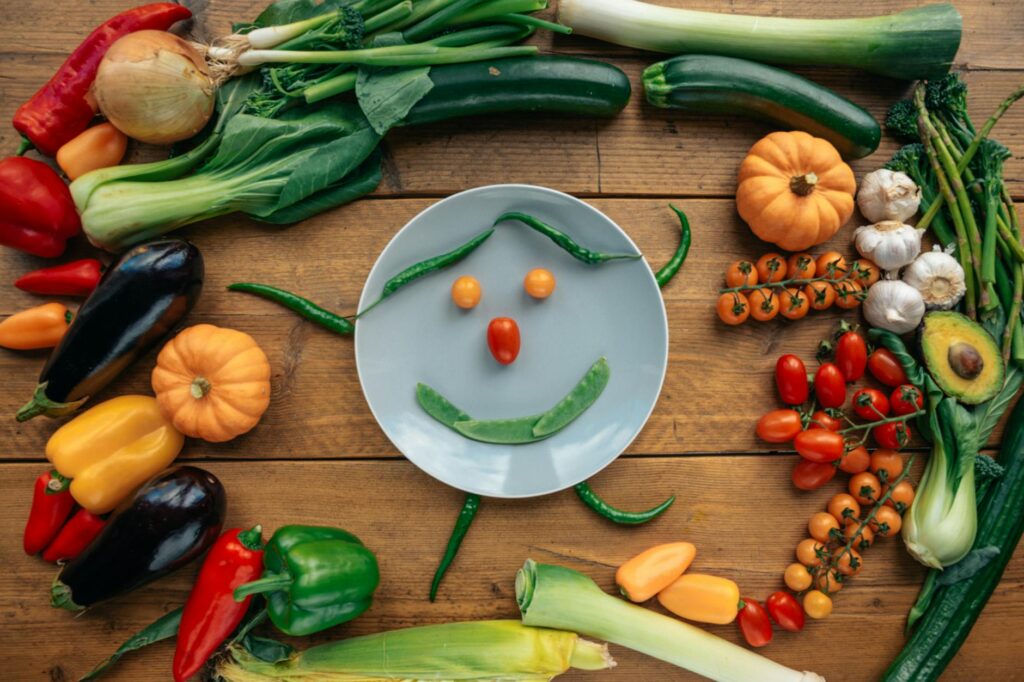
Precision agriculture flips that script. It’s the practice of managing specific parts of a field differently. And AI is the engine that makes it possible on a massive scale. It uses technologies like GPS, sensors, and data analytics to give farmers a microscopic view of their land.
The Tools of the Trade
So how does this work in the real world? It’s a combination of hardware and incredibly smart software.
- GPS-Guided Tractors: Modern tractors can steer themselves with centimeter-level accuracy using GPS. This isn’t just for convenience. It ensures perfect planting rows, prevents overlap when spraying, and reduces fuel consumption. The AI component comes in when these tractors are equipped with variable-rate technology (VRT).
- Variable-Rate Technology (VRT): A VRT system, guided by an AI-generated ‘prescription map’ of the field, can adjust the amount of seed, fertilizer, or water it applies in real-time as the tractor moves. The map tells the machine, “This spot needs more nitrogen, that spot needs less seed density, and this area over here is perfectly fine.” It’s farming with surgical precision.
- Sensors Everywhere: IoT (Internet of Things) sensors are the nervous system of the smart farm. They can be placed in the soil to measure moisture, pH levels, and nutrient content. They can be mounted on equipment or even on the plants themselves. All this data feeds directly into an AI platform that crunches the numbers and spots patterns a human could never see.
The All-Seeing Eye: AI for Crop and Soil Monitoring
A farmer’s greatest assets are their soil and their crops. Keeping them healthy is priority number one. Traditionally, this involved a lot of walking the fields, a practice known as ‘crop scouting’. It’s time-consuming and, frankly, you can’t be everywhere at once. A small pest infestation or nutrient deficiency in a far corner of the field could go unnoticed until it’s a major problem. This is where AI provides a superpower: omniscience.

Drones and Satellites: The View From Above
The game-changer here is remote sensing. Drones and satellites equipped with multispectral or hyperspectral cameras can capture images that see far beyond what the human eye can. These cameras measure light reflected from plants across different wavelengths. A healthy plant reflects light differently than a stressed one. It’s a bit like giving the field an MRI.
An AI model, specifically a computer vision algorithm, analyzes these images. It can:
- Detect Disease and Pests: The AI can identify the subtle color changes in foliage that signal the start of a fungal infection or an insect attack, often weeks before a farmer would notice it on the ground. It can then pinpoint the exact location, allowing for targeted spraying instead of blanketing the entire crop.
- Identify Nutrient Deficiencies: Is a section of the field lacking magnesium or potassium? The spectral signature in the imagery will tell the AI, which then alerts the farmer and can even automatically update the VRT prescription map for the next fertilizer application.
- Monitor Water Stress: The system can identify which parts of the field are getting thirsty, allowing for incredibly efficient irrigation. No more watering the whole field just because one section is dry. This is absolutely critical in water-scarce regions.
Think about it this way: AI gives farmers the ability to have a conversation with their crops. The plants signal what they need, and the AI translates it into a clear, actionable plan. It’s a fundamental shift from reactive to proactive farming.
Getting Your Hands Dirty (Digitally)
It’s not all about the sky. AI is also revolutionizing how we understand the very ground our food grows in. Soil health is complex. AI-powered platforms can integrate data from soil sensors, historical yield maps, and topography to create incredibly detailed 3D models of the soil composition across a farm. This helps with everything from deciding what crop to plant where, to planning tillage strategies that prevent erosion and promote long-term soil health. It’s about treating soil not as dirt, but as a living, breathing ecosystem that needs to be carefully managed.
Meet the New Farmhands: The Rise of Agricultural Robots
Finding skilled labor is one of the biggest challenges in modern agriculture. The work is hard, often seasonal, and the workforce is aging. Enter robotics, guided by the intelligent brains of AI. We’re not talking about clunky, humanoid robots from old movies. We’re talking about specialized machines designed for specific, crucial tasks.
Weed Warriors and Smart Sprayers
Weeds are the eternal enemy, competing with crops for water, sunlight, and nutrients. Herbicides are a common solution, but their overuse has significant environmental and financial costs. AI-powered ‘see and spray’ technology is changing that. Small, autonomous robots or tractor-mounted systems use computer vision to differentiate between a crop and a weed. As they move through the field, they give a micro-dose of herbicide directly onto the weed and leave the crop untouched. Some advanced systems don’t even use chemicals; they use tiny lasers to zap the weeds or have mechanical tools to pluck them out. This can reduce herbicide use by over 90%. It’s a win for the farmer’s wallet and a huge win for the environment.
The Gentle Touch of Robotic Harvesters
Harvesting is often the most labor-intensive part of farming, especially for delicate produce like strawberries, lettuce, or apples. It requires a gentle touch and a good eye to know what’s ripe. This is a huge challenge for automation, but one that AI is beginning to solve. Robotic harvesters use a combination of 3D vision and complex algorithms to identify ripe fruit, calculate its position, and then use a soft, robotic gripper to pick it without bruising. These machines can work 24/7, don’t get tired, and can help ensure that produce is picked at the absolute peak of freshness.

The Crystal Ball: Predictive Analytics in Farming
Perhaps the most powerful application of AI in agriculture is its ability to predict the future. By analyzing massive datasets—including historical weather patterns, soil data, market prices, and crop growth models—machine learning algorithms can provide farmers with stunningly accurate forecasts.
Forecasting Yields and Optimizing Supply
Knowing how much a field is likely to produce is invaluable. AI models can predict crop yields with high accuracy weeks or even months in advance. This helps farmers make better decisions about storage, transportation, and marketing. On a larger scale, this information helps stabilize the entire food supply chain, reducing price volatility and preventing food shortages or gluts.
Predicting Problems Before They Start
AI doesn’t just see the present; it anticipates the future. By analyzing weather forecasts and historical data, it can predict the likelihood of a pest infestation or disease outbreak. For example, it might identify that the upcoming weather conditions (a specific combination of temperature and humidity) are perfect for the spread of a particular fungus. This gives the farmer a crucial heads-up, allowing them to take preventative measures instead of reacting after the damage is already done.
The Hurdles on the Road to the Smart Farm
Of course, this technological transformation isn’t without its challenges. Widespread adoption of AI in agriculture faces a few significant hurdles.
- High Initial Cost: The technology—drones, robots, sensors, and software platforms—can be expensive. This can be a major barrier for small and medium-sized farms, potentially widening the gap between large agricultural corporations and family farms.
- Connectivity Issues: Many rural and remote farming areas lack the reliable, high-speed internet connectivity required to upload massive amounts of data from sensors and drones to the cloud for analysis.
- Data Management and Skills Gap: Becoming a data scientist isn’t part of the traditional farmer’s job description. There’s a steep learning curve to using these complex systems effectively. Farmers need user-friendly tools and training to turn a flood of data into simple, actionable decisions.
- Data Privacy and Security: Who owns the vast amounts of data generated by a farm? How is it protected? These are critical questions that the industry is still working to answer.
Conclusion
The integration of AI in agriculture is not about replacing the farmer. It’s about empowering them. It’s about giving them new tools to be better stewards of the land, to enhance their intuition with data, and to build more resilient, sustainable, and productive operations. The green revolution of the 20th century was about chemistry and genetics. The new agricultural revolution is about data and intelligence. As this technology becomes more accessible and refined, it holds the key to ensuring a healthy planet and a well-fed population for generations to come. The digital harvest is here, and it’s just getting started.
FAQ
Is AI going to take farmers’ jobs?
It’s more likely to change them. AI and robotics will automate many of the repetitive and physically demanding tasks, but it won’t replace the farmer’s critical decision-making, experience, and management skills. Instead, it will free them up to focus on the bigger picture—strategy, soil health, and business management. The farmer of the future will be part manager, part agronomist, and part data analyst.
Can small farms benefit from AI?
Absolutely, though the entry point may be different. While a small farm might not invest in a fleet of autonomous tractors, they can benefit immensely from more accessible AI-driven services. This could include drone imaging services that provide crop health reports, or affordable mobile apps that use a phone’s camera to identify pests and diseases. As the technology becomes cheaper and more service-oriented, its benefits will be available to farms of all sizes.


 AI Tools for Freelancers: Work Smarter, Not Harder in 2024
  AI and Job Displacement: Your Guide to the Future of Work
  AI’s Impact: How It’s Transforming Industries Today
  AI in Cybersecurity: The Future of Digital Defense is Here
  AI-Powered Marketing: The Ultimate Guide for Growth (2024)
  AI in Education: How It’s Shaping Future Learning
  Backtest Crypto Trading Strategies: A Complete Guide
  NFT Standards: A Cross-Chain Guide for Creators & Collectors
  Decentralized Storage: IPFS & Arweave Explained Simply
  How to Calculate Cryptocurrency Taxes: A Simple Guide
  Your Guide to Music NFTs & Top Platforms for 2024
  TradingView for Crypto: The Ultimate Trader’s Guide