


How Wi-Fi 7 Is Changing Wireless Connectivity and IoT
How Wi-Fi 7 is changing the landscape of wireless connectivity is nothing short of revolutionary. This next generation of Wi-Fi, also known as IEEE 802.11be, promises unprecedented speeds, lower latency, and enhanced reliability, fundamentally altering how we interact with our digital devices and the burgeoning Internet of Things (IoT).
Table of Contents
Gone are the days of choppy video calls and buffering streams. Wi-Fi 7 is engineered to handle the increasing demands of modern households and businesses, where multiple devices simultaneously connect and consume bandwidth. Its advancements are not just incremental; they represent a significant leap forward.
The Core Advancements of Wi-Fi 7
Wi-Fi 7 builds upon the solid foundation of its predecessors, particularly Wi-Fi 6/6E, but introduces several key innovations that unlock its true potential. These enhancements are designed to push the boundaries of wireless performance.
320 MHz Channel Width
One of the most impactful upgrades is the doubling of the maximum channel width to 320 MHz in the 6 GHz band. This is analogous to widening a highway, allowing significantly more data to be transmitted concurrently.
Wider channels mean higher throughput and faster data transfer speeds. This is crucial for bandwidth-intensive applications like 8K video streaming and large file downloads.
4096-QAM Modulation
Wi-Fi 7 introduces 4096-QAM (Quadrature Amplitude Modulation), a more efficient way of encoding data. This allows for 16.6% more data to be packed into each transmission compared to Wi-Fi 6’s 1024-QAM.
This advanced modulation scheme directly translates to higher peak data rates, making every bit of data transfer more effective.
Multi-Link Operation (MLO)
Multi-Link Operation (MLO) is a game-changer, allowing devices to connect to a router simultaneously over multiple frequency bands (e.g., 2.4 GHz, 5 GHz, and 6 GHz).
This technology enhances throughput and reduces latency by intelligently sending data across the best available links. It also provides redundancy, ensuring a more stable connection even if one link is experiencing interference.


Transforming the User Experience
The benefits of Wi-Fi 7 directly translate into a dramatically improved user experience across a wide range of applications. From entertainment to productivity, the impact is profound.
Seamless Streaming and Gaming
With its significantly increased speeds and reduced latency, Wi-Fi 7 makes buffering a relic of the past. Users can enjoy uninterrupted 8K video streaming and immersive virtual reality experiences.
Online gaming will also see a massive boost, with lower ping times and more responsive gameplay. This is critical for competitive gaming where even milliseconds matter.
Enhanced Productivity and Collaboration
For professionals, Wi-Fi 7 means faster file transfers, smoother video conferencing, and more reliable cloud access. This enhances productivity, especially in remote or hybrid work environments.
Collaborative tools will operate with newfound fluidity, enabling real-time co-editing and seamless integration of various communication platforms.
How Wi-Fi 7 Is Changing the IoT Landscape
The Internet of Things is poised for explosive growth, and Wi-Fi 7 is the ideal catalyst. Its ability to handle a massive number of devices with low latency and high reliability is precisely what the IoT ecosystem needs.
Massive Device Connectivity
Smart homes and smart cities are expanding rapidly, with countless sensors, appliances, and devices needing a constant connection. Wi-Fi 7’s capacity is designed to support this dense ecosystem without compromising performance.
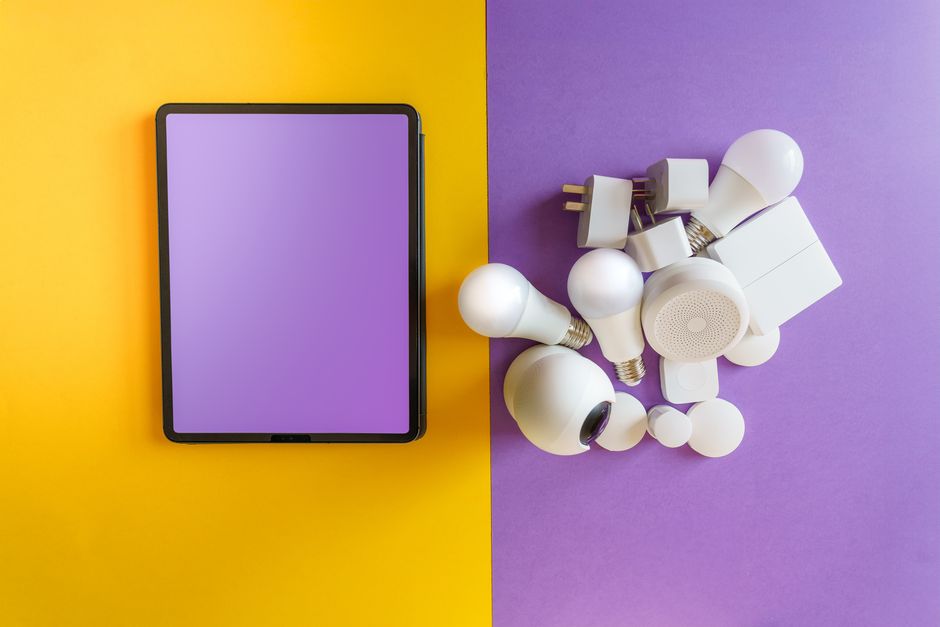
This increased capacity means that every smart bulb, thermostat, security camera, and voice assistant can operate optimally, contributing to a more connected and automated environment.

Real-Time IoT Applications
Many emerging IoT applications demand real-time data processing and low latency, such as industrial automation, remote surgery, and autonomous vehicles. Wi-Fi 7’s latency reduction is critical for these mission-critical uses.
The ability to receive and act on data instantaneously opens up possibilities for more sophisticated and responsive IoT solutions. This is how Wi-Fi 7 is changing industrial operations and public safety.
Improved IoT Security and Reliability
With more devices connecting, security becomes paramount. Wi-Fi 7, by leveraging the 6 GHz band and advancements in security protocols, offers a more secure and less congested environment for IoT devices.
MLO also adds a layer of reliability. If one connection path is compromised or overloaded, the device can seamlessly switch to another, ensuring continuous operation for critical IoT functions.
Wi-Fi 7 in Business and Enterprise
Beyond the home, Wi-Fi 7 is set to transform enterprise networks. The demands on business Wi-Fi are escalating with the proliferation of mobile devices and cloud-based applications.
Next-Generation Enterprise Networks
Businesses will benefit from faster Wi-Fi, enabling quicker access to cloud resources and improved performance for bandwidth-hungry applications. This boosts overall operational efficiency.
The ability to support a higher density of users and devices without performance degradation is crucial for modern workplaces, from bustling offices to large venues.
Augmented and Virtual Reality Deployments
As AR and VR technologies become more integrated into professional training, design, and collaboration, Wi-Fi 7 provides the necessary infrastructure. Its high bandwidth and low latency are essential for these immersive experiences.
This will pave the way for more realistic simulations and interactive virtual environments within the business sector.


The Transition to Wi-Fi 7
The rollout of Wi-Fi 7 is already underway, with new routers and devices hitting the market. While full adoption will take time, the transition is accelerating.
Compatibility with Older Standards
Wi-Fi 7 is designed to be backward-compatible with Wi-Fi 6/6E and earlier standards. This means that existing devices will still be able to connect to Wi-Fi 7 access points, ensuring a smooth upgrade path.
However, to experience the full benefits of Wi-Fi 7, both the access point and the client device must support the new standard.
When Will Wi-Fi 7 Be Ubiquitous?
As of 2026, Wi-Fi 7 is rapidly becoming more accessible. Consumer devices are increasingly featuring Wi-Fi 7 capabilities, and enterprise-grade solutions are also proliferating.
Widespread adoption will likely depend on the availability of affordable devices and the continued expansion of the 6 GHz band’s utilization globally.
Future-Proofing Your Network
Investing in Wi-Fi 7 technology now means future-proofing your network for years to come. The demands on wireless connectivity are only expected to increase.
Understanding how Wi-Fi 7 is changing wireless communications empowers individuals and businesses to make informed decisions about their network infrastructure.

Addressing Potential Challenges
While the advantages are clear, there are considerations for the widespread adoption of Wi-Fi 7.
The 6 GHz Spectrum
The full potential of Wi-Fi 7 is realized when utilizing the 6 GHz band. Access to this spectrum varies by region and regulatory approval.
Continued efforts to open up and harmonize the 6 GHz band globally will be crucial for maximizing Wi-Fi 7’s performance.
Device Ecosystem Development
The pace at which client devices adopt Wi-Fi 7 will influence the speed of its integration. As more smartphones, laptops, and IoT devices become Wi-Fi 7 enabled, its impact will grow exponentially.
Manufacturers are actively developing and releasing new products that support this advanced standard.
The Road Ahead for Wireless Connectivity
Wi-Fi 7 is not just an upgrade; it’s a paradigm shift. It lays the groundwork for an era of hyper-connectivity, where seamless, high-performance wireless communication is the norm.
The capabilities it brings will redefine our digital lives and unlock new possibilities for innovation across all sectors. This is how Wi-Fi 7 is changing everything we do wirelessly.
