
How to Read and Annotate Academic Research Papers Efficiently
Effectively learning to read and annotate academic research papers is a critical skill for students, researchers, and anyone seeking to deepen their understanding of complex subjects. It’s more than just scanning words; it’s an active engagement that transforms raw information into knowledge. This guide will equip you with a systematic approach to maximize your comprehension and retention.
Table of Contents
Navigating academic literature can feel daunting. Papers are dense, jargon-filled, and often assume prior knowledge. Developing a consistent method for dissecting these documents is essential for academic success and informed decision-making.
Our goal is to move beyond passive reading to a more dynamic, critical interaction with the text. This allows you to extract the most vital information efficiently.
The Foundational Steps to Reading Academic Research
Before you even begin reading, preparation is key. Understanding the context and your purpose will dramatically improve your efficiency.
Define Your Objective
Why are you reading this paper? Are you looking for specific data, a general overview, or to understand a particular methodology? Knowing your goal helps you focus on relevant sections.
Your objective will dictate the depth of your engagement. For a quick literature review, you might skim more. For a deep dive into a core text for your thesis, you’ll need to be thorough.
Preview the Paper
Don’t jump straight into the introduction. Start with the title, abstract, and conclusion. This gives you a high-level understanding of the paper’s main argument and findings.
Next, scan headings, subheadings, and figures or tables. This creates a mental roadmap of the paper’s structure and key elements. You’ll quickly grasp the flow of information.


Developing an Active Reading Strategy
Once you have a preview, it’s time to engage actively. This involves a structured approach to reading and note-taking.
The Three-Pass Approach
This method breaks down the reading process into manageable stages. Each pass serves a distinct purpose, building upon the previous one.
Pass One: The Skim for Core Ideas
Read the introduction and conclusion carefully. Then, read the first sentence of each paragraph in the body. This gives you a sense of the argument’s progression and the main points being made. You’re looking for the ‘gist’ here.
Pass Two: Deeper Understanding
Read the entire paper more thoroughly. Focus on understanding the methodology, results, and discussion. If you encounter difficult passages, highlight them for later review.
This pass is where you start to build a solid grasp of the paper’s content. Don’t get bogged down in every detail yet. Keep your objective in mind.
Pass Three: Critical Engagement and Synthesis
This is where true annotation begins. Engage critically with the material. Question assumptions, evaluate the evidence, and consider the implications of the findings. This pass is for deep understanding and integration.
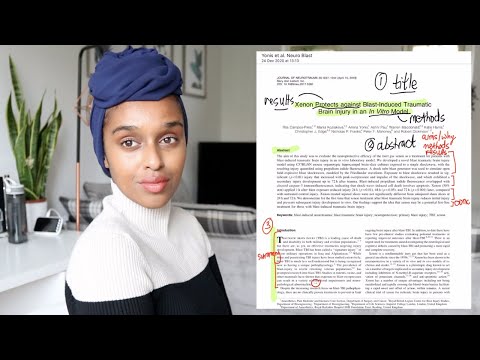
When and How to Annotate Effectively
Annotation isn’t just highlighting; it’s a dialogue with the text. Use a system that works for you, whether it’s digital tools or a physical pen.
Key Annotation Techniques
- Highlighting: Use sparingly for key terms, definitions, or central claims.
- Underlining: Similar to highlighting, for phrases that capture a core idea.
- Marginal Notes: Jot down questions, connections to other readings, or brief summaries of sections.
- Symbols: Develop a personal system of symbols for important points, confusing sections, or areas needing further research.
The goal of annotation is to make the text work for you. It’s about identifying, questioning, and connecting information as you read.
Remember, effective annotation turns passive reading into active learning. It prepares you for summarizing, synthesizing, and applying the research.


Strategies for Understanding Complex Sections
Academic papers often contain dense methodology sections or intricate theoretical frameworks. Here’s how to tackle them.
Decoding the Methods Section
This section is crucial for evaluating the study’s validity. Break it down by asking questions: What was the sample size? What were the procedures? What statistical analyses were used?
Don’t be afraid to re-read this section multiple times. If you’re unfamiliar with a particular technique, look it up. Understanding the ‘how’ is vital for trusting the ‘what’ of the findings.
Interpreting Figures and Tables
Figures and tables often present the most critical data. Read the captions carefully and understand the axes and units. What story does the data tell?
These visual elements are concise summaries of complex information. Learning to interpret them efficiently saves time and enhances comprehension.
Integrating Research into Your Own Work
The ultimate purpose of reading academic research is often to build upon it. Annotation helps facilitate this integration.
Synthesizing Multiple Sources
As you read and annotate academic research from various studies, look for common themes, contrasting findings, and gaps in the literature. Your annotations should help you see these connections.
Keep a separate document or use reference management software to track your annotations and insights across multiple papers. This becomes the foundation for your own literature review.
Formulating Your Own Arguments
By critically engaging with the research, you develop the skills to formulate your own informed opinions and arguments. Your annotations highlight areas of agreement, disagreement, and unanswered questions.
This process of critical evaluation is what drives new discoveries and advances in any field.

Tools and Techniques for Efficient Annotation
Modern technology offers powerful ways to enhance the annotation process.
Digital Annotation Tools
Software like Zotero, Mendeley, or even built-in PDF annotators allow you to highlight, add notes, and tag key sections. Many also help manage your research library.
These tools make it easier to organize your thoughts and retrieve specific information later. They are invaluable for large-scale research projects.
Creating Summaries and Notes
After reading and annotating, take time to write a concise summary of the paper in your own words. Include the main research question, methods, key findings, and limitations.
This act of rephrasing solidifies your understanding and is a direct application of your annotations. It’s a crucial step before moving on to the next paper or task.
Mastering the Art of Academic Reading
Learning to read and annotate academic research is a continuous process of refinement. It’s a skill that improves with practice and conscious effort.
By employing strategic previewing, active reading techniques, and thoughtful annotation, you can transform challenging academic papers into accessible sources of knowledge. This systematic approach ensures you extract maximum value from your reading time.
Embrace the challenge, develop your system, and unlock a deeper understanding of the academic world. Consistent practice will make this complex skill feel more intuitive and rewarding.