Tag: environmental benefits

  • The Environmental Impact of Electric Vehicles: Reducing Carbon Footprints

    The Environmental Impact of Electric Vehicles: Reducing Carbon Footprints

    Electric vehicles (EVs) have gained significant popularity in recent years due to their potential to reduce greenhouse gas emissions and combat climate change. As the world becomes more aware of the environmental impact of traditional gasoline-powered vehicles, the demand for EVs continues to rise. In this article, we will explore the environmental benefits of electric vehicles and how they can help in reducing carbon footprints.

    1. Zero Emissions

    One of the primary advantages of electric vehicles is that they produce zero tailpipe emissions. Unlike internal combustion engine vehicles that release harmful pollutants such as carbon dioxide (CO2), nitrogen oxides (NOx), and particulate matter into the atmosphere, EVs run on electricity stored in batteries. This means that they do not emit any greenhouse gases or contribute to air pollution directly.

    By transitioning from conventional vehicles to electric vehicles, we can significantly reduce the amount of CO2 emissions that contribute to global warming and climate change. According to the Union of Concerned Scientists, EVs produce less than half the emissions of comparable gasoline-powered vehicles over their lifetime, even when accounting for emissions from electricity generation.

    2. Renewable Energy Integration

    Another advantage of electric vehicles is their compatibility with renewable energy sources. As the world shifts towards clean and sustainable energy, EVs can play a crucial role in integrating renewable energy into the transportation sector. By charging EVs using electricity generated from renewable sources such as solar or wind power, we can further reduce the carbon footprint associated with transportation.

    Furthermore, the development of smart grids and vehicle-to-grid (V2G) technology allows EVs to not only consume electricity but also supply it back to the grid during peak demand periods. This bidirectional flow of energy helps to stabilize the grid and maximize the utilization of renewable energy resources.

    3. Lifecycle Analysis

    When evaluating the environmental impact of electric vehicles, it is essential to consider their entire lifecycle, from manufacturing to disposal. While the production of EVs requires energy and raw materials, studies have shown that the overall lifecycle emissions of electric vehicles are lower compared to conventional vehicles.

    A study conducted by the International Council on Clean Transportation found that on average, EVs produce less than half the emissions of gasoline-powered vehicles over their lifetime. This includes emissions from manufacturing, operation, and recycling. As the production processes and battery technologies continue to improve, the environmental benefits of EVs are expected to increase even further.

    4. Infrastructure Development

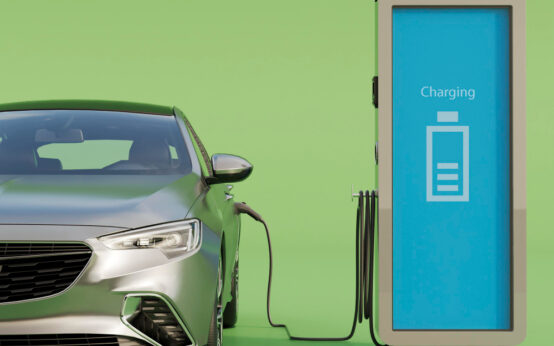
    As the demand for electric vehicles grows, there is a need for the development of charging infrastructure. To encourage the widespread adoption of EVs, governments and private entities are investing in the installation of public charging stations. This infrastructure development not only supports the convenience of EV owners but also reduces range anxiety and promotes the use of electric vehicles.

    By expanding the charging network and making it easily accessible, EV owners can charge their vehicles conveniently and rely less on conventional fossil fuel-powered vehicles. This shift towards electric transportation helps to reduce the overall carbon footprint associated with transportation and contributes to a cleaner and greener future.

    5. Government Incentives

    To accelerate the transition towards electric vehicles, many governments around the world are offering various incentives and subsidies. These incentives can include tax credits, grants, and rebates for purchasing electric vehicles or installing home charging stations. By providing financial support, governments aim to make electric vehicles more affordable and accessible to a wider range of consumers.

    These incentives not only promote the adoption of EVs but also contribute to the reduction of carbon footprints. By making electric vehicles more cost-effective compared to conventional vehicles, more people are encouraged to choose EVs, leading to a significant decrease in greenhouse gas emissions.

    Conclusion

    Electric vehicles have the potential to revolutionize the transportation sector and significantly reduce carbon footprints. With zero tailpipe emissions, compatibility with renewable energy sources, lower lifecycle emissions, infrastructure development, and government incentives, EVs offer a promising solution to combat climate change and create a sustainable future.

    As technology advances and the accessibility of EVs improves, it is crucial for individuals, governments, and industries to embrace electric vehicles as a means of reducing our environmental impact and creating a cleaner and greener planet for future generations.

  • Breaking Down the Benefits: Why Electric Vehicles Are the Future of Transportation

    Breaking Down the Benefits: Why Electric Vehicles Are the Future of Transportation

    Electric vehicles (EVs) have been gaining popularity in recent years, and for good reason. As the world continues to grapple with climate change and the need to reduce greenhouse gas emissions, EVs offer a promising solution for a cleaner and more sustainable future of transportation. In this article, we will explore the numerous benefits of electric vehicles and why they are poised to become the future of transportation.

    1. Environmental Benefits

    One of the most significant advantages of electric vehicles is their positive impact on the environment. Unlike traditional gasoline-powered cars, EVs produce zero tailpipe emissions, meaning they do not release harmful pollutants into the air. This reduction in emissions helps to improve air quality and combat the effects of climate change.

    In addition, the electricity used to power EVs can be generated from renewable energy sources such as solar or wind power. By transitioning to electric vehicles and renewable energy, we can significantly reduce our dependence on fossil fuels and decrease carbon dioxide emissions, helping to mitigate the effects of global warming.

    2. Cost Savings

    While the upfront cost of purchasing an electric vehicle may be higher than that of a conventional car, EV owners can enjoy long-term cost savings. Electric vehicles have lower operating costs compared to gasoline-powered cars, primarily due to the lower cost of electricity compared to gasoline.

    Furthermore, EVs require less maintenance than traditional vehicles. They have fewer moving parts, which means fewer components to wear out or break down. This translates to lower maintenance and repair costs over the lifespan of the vehicle.

    3. Energy Independence

    Electric vehicles offer the potential for greater energy independence. With the ability to generate electricity from renewable sources, countries can reduce their dependence on imported oil and achieve greater energy security. This shift towards electric transportation can also help to stabilize fuel prices and reduce the vulnerability to oil price fluctuations.

    4. Improved Public Health

    The transition to electric vehicles can have a positive impact on public health. By eliminating tailpipe emissions, EVs help to reduce air pollution, which is a major contributor to respiratory diseases and other health problems. Cleaner air quality can lead to a decrease in respiratory illnesses, allergies, and other related health issues, resulting in improved overall public health.

    5. Technological Advancements

    The development of electric vehicles has spurred technological advancements in the automotive industry. As more resources are invested in EV research and development, we can expect to see continued improvements in battery technology, charging infrastructure, and overall vehicle performance.

    These advancements will not only benefit electric vehicles but also have a ripple effect on other industries such as renewable energy and energy storage. The growth of electric vehicles will drive innovation and create new opportunities for job creation and economic growth.

    Conclusion

    Electric vehicles offer a multitude of benefits that make them the future of transportation. From their positive impact on the environment to cost savings and technological advancements, EVs are a viable solution for a cleaner and more sustainable future. As we continue to prioritize sustainability and reduce our carbon footprint, electric vehicles will play a crucial role in achieving our goals. It’s time to embrace the electric revolution and drive towards a greener future.