


The Best Desk Setup and Ergonomics for Late-Night Studying
Achieving the best desk setup for late-night studying is crucial for both comfort and productivity, especially when deadlines loom. A well-designed workspace can prevent fatigue, reduce strain, and boost focus during those extended study sessions. This guide will walk you through creating an optimal environment that supports your academic goals through the night.
Table of Contents
- Why a Dedicated Study Setup Matters
- Choosing the Right Desk
- The Ergonomic Chair: Your Study Companion
- Optimizing Your Monitor Setup
- Lighting for Late-Night Productivity
- Essential Desk Accessories for Efficiency
- Keyboard and Mouse Ergonomics
- The Importance of Organization
- Creating a Calming Atmosphere
- Ergonomic Principles to Live By
- Technology and Connectivity
- Customizing for Your Needs
- Conclusion: Your Pathway to Productive Nights


Why a Dedicated Study Setup Matters
When you’re burning the midnight oil, your study environment becomes your sanctuary. A disorganized or uncomfortable space can lead to distractions, poor posture, and a general feeling of dread. Investing time in your desk setup is an investment in your academic success and well-being.
It’s not just about aesthetics; it’s about function. The right arrangement of your desk, chair, lighting, and accessories can significantly impact how long you can study effectively and how much information you retain.
Choosing the Right Desk
The foundation of any great study space is the desk itself. Consider the size of your workspace and the equipment you need to accommodate. A spacious desk allows for better organization and prevents feeling cramped.
Adjustable height desks are becoming increasingly popular for good reason. They allow you to switch between sitting and standing, which can improve circulation and reduce back strain. This flexibility is invaluable for long study marathons.
Ensure your desk is sturdy and at the correct height. When sitting, your elbows should be at a 90-degree angle when typing or writing. If your desk is too high, you’ll find yourself hunching, leading to neck and shoulder pain. If it’s too low, you might slouch, exacerbating back issues.
The Ergonomic Chair: Your Study Companion
A comfortable and supportive chair is non-negotiable for late-night studying. Look for a chair that offers good lumbar support to maintain the natural curve of your spine.
Adjustable features are key: you should be able to modify the height, armrests, and backrest. Your feet should rest flat on the floor, and your thighs should be parallel to the ground.
Armrests should be at a height that allows your shoulders to remain relaxed. If they force your shoulders up, they can cause tension. A swivel base and wheels can also add convenience, allowing for easy movement around your desk.


Optimizing Your Monitor Setup
Screen glare and improper monitor height are common culprits for eye strain and headaches. Position your monitor at arm’s length and ensure the top of the screen is at or slightly below eye level.
This prevents you from tilting your head up or down excessively, reducing strain on your neck. If you use multiple monitors, arrange them symmetrically to minimize head turning. Consider using a monitor stand or adjustable arm for perfect positioning.
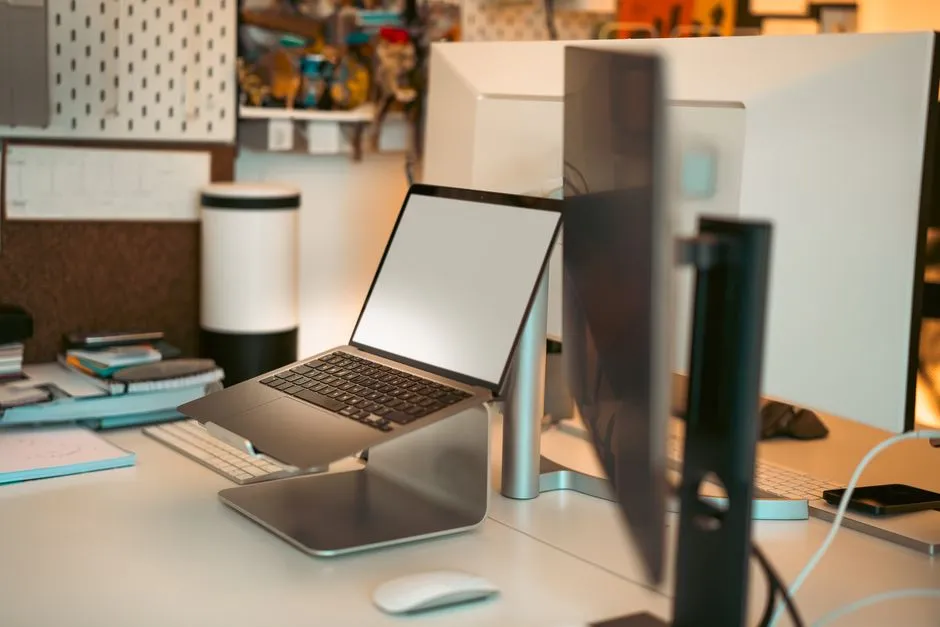
For laptops, a laptop stand and an external keyboard and mouse are highly recommended. This elevates the screen to an ergonomic height, transforming your laptop into a more desktop-like setup and preventing hunching.
Lighting for Late-Night Productivity
Adequate lighting is paramount for preventing eye strain and maintaining alertness. Natural light is ideal, but for late-night sessions, artificial lighting is essential.
A combination of ambient and task lighting works best. Ambient lighting, like a ceiling light, provides general illumination. Task lighting, such as a desk lamp, focuses light directly on your study materials, reducing shadows and glare.
Opt for a desk lamp with an adjustable arm and head so you can direct light precisely where you need it. Warm, soft white bulbs (around 2700K-3000K) are generally best for creating a calming yet functional atmosphere. Avoid harsh, cool-toned lights that can disrupt sleep patterns.
Essential Desk Accessories for Efficiency
Beyond the core furniture, certain accessories can elevate your study experience and contribute to the best desk setup. Organization is key to a distraction-free environment.
Cable management solutions are a lifesaver. Tidy cords prevent visual clutter and make it easier to clean your desk. Consider cable clips, sleeves, or a desk grommet.
A good set of desk organizers can keep your pens, notepads, and other essentials within easy reach. This saves time spent searching for items and maintains a sense of order.
Don’t forget about peripherals that enhance comfort and performance. A comfortable keyboard and mouse, ideally ergonomic, can make a significant difference during long typing sessions.
Keyboard and Mouse Ergonomics
Your hands and wrists are under a lot of stress during extended typing. A split ergonomic keyboard can help maintain a more natural wrist posture, reducing the risk of carpal tunnel syndrome.
Similarly, an ergonomic mouse is designed to fit the natural curve of your hand, promoting a relaxed grip. Ensure the mouse is the right size for your hand.
When using standard keyboards and mice, remember to take frequent breaks. Stretch your wrists and fingers to prevent stiffness and improve blood flow.
The Importance of Organization
A cluttered desk leads to a cluttered mind. Dedicate time to organizing your study materials and keeping your workspace tidy. This directly impacts your ability to focus and retain information.
Use drawers, shelves, and containers to store items you don’t need immediate access to. Keep frequently used items, like pens and a notebook, within arm’s reach.
A clean desk also reduces the temptation to procrastinate by tidying up instead of studying. This focus on organization is a crucial part of creating the best desk setup.
Creating a Calming Atmosphere
Late-night study sessions can be draining. Creating a calming atmosphere can help you stay relaxed and focused. This involves more than just your desk setup.
Consider adding a small plant to your desk for a touch of nature. The color green can have a soothing effect. Ensure your room temperature is comfortable – not too hot, not too cold.
Minimize distractions by silencing your phone or putting it in another room. If you work best with background noise, consider ambient study music or white noise. However, avoid anything with lyrics that can pull your attention away from your studies.
Ergonomic Principles to Live By
Beyond the physical setup, adopting good ergonomic habits is vital. This involves regular movement and stretching, even during intense study periods.
Aim for the 20-20-20 rule: every 20 minutes, look at something 20 feet away for at least 20 seconds to give your eyes a break. Set a timer to remind yourself to stand up and move around every hour.
Simple stretches for your neck, shoulders, wrists, and back can prevent stiffness and soreness. These small breaks can significantly improve your endurance and comfort throughout the night.
Technology and Connectivity
Ensure your technology is reliable for your late-night endeavors. Stable Wi-Fi is essential for online research and virtual study groups. Make sure all your devices are fully charged or plugged in.
Consider a surge protector to safeguard your valuable equipment from power fluctuations. Having an easily accessible charging station can prevent the frustration of a dead device at a critical moment.
For truly the best desk setup, integrate your technology seamlessly. Wireless peripherals can reduce cable clutter and offer more flexibility in placement.
Customizing for Your Needs
Ultimately, the best desk setup is one that is tailored to your individual needs and preferences. What works for one person might not work for another.
Experiment with different chair heights, desk placements, and lighting angles. Pay attention to how your body feels after extended periods of study. Make adjustments as needed.
Don’t be afraid to invest in quality ergonomic equipment. A good chair and desk can last for years and provide ongoing benefits. Your comfort and health are worth the investment for sustained academic performance.
Conclusion: Your Pathway to Productive Nights
Creating the optimal study space is an ongoing process. By focusing on ergonomics, organization, and personal comfort, you can transform your late-night study sessions from a chore into a productive and even enjoyable experience. Remember that small adjustments can lead to significant improvements in focus, efficiency, and overall well-being. Invest in your workspace, and it will invest in your success.