


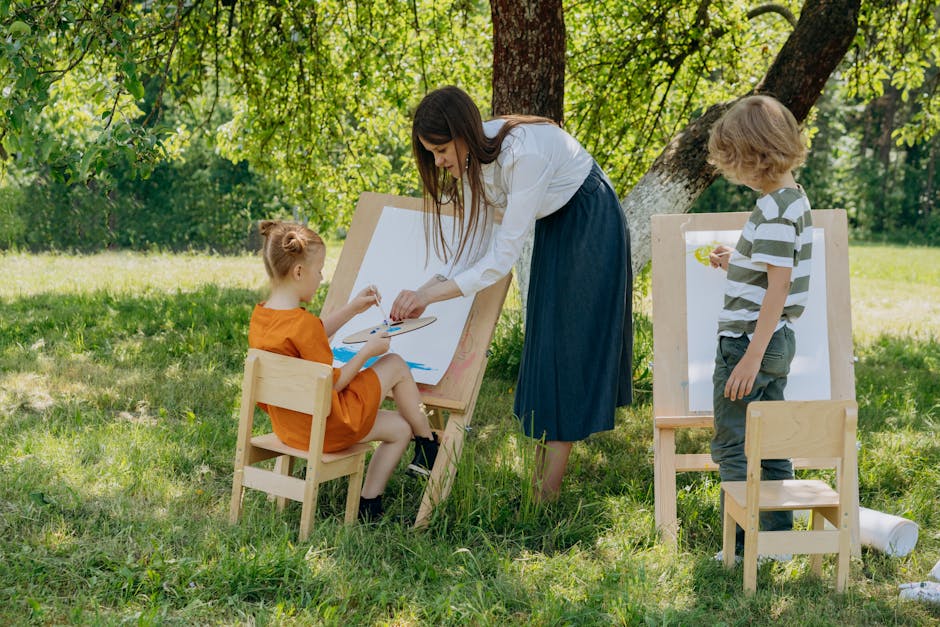
The Role of Art and Creativity in Education: Nurturing Student Expression
- The Role of Art and Creativity in Education: Nurturing Student Expression
- Understanding The Role Of Art Creativity
- What is the True Role of Art and Creativity in Education?
- The Cognitive Benefits of Integrating Arts into the Curriculum
- Unlocking Emotional and Social Development Through Creative Expression
- The Academic Impact: How Arts Education Boosts Core Subject Performance
- Understanding the Crucial Role of Art and Creativity in Education for the Future Workforce
- Practical Strategies for Integrating Art and Creativity in Every Classroom
- Overcoming Challenges to Implementing Arts Education
- The Proven Role of Art and Creativity in Education: Case Studies and Evidence
- Conclusion: Embracing Creativity as a Core Educational Value
Understanding The Role Of Art Creativity
This guide covers everything you need to know about the role of art creativity.
The role of art and creativity in education is a foundational pillar for developing well-rounded, innovative, and emotionally intelligent individuals. In a world increasingly focused on standardized testing and rigid metrics, the integration of artistic expression provides a vital counterbalance, nurturing the skills necessary for 21st-century success. This is not about choosing art over academics; it is about recognizing how creativity enhances every facet of learning.
For too long, arts have been viewed as a peripheral subject, a luxury to be cut when budgets are tight. However, a growing body of research and a pedagogical shift towards holistic development underscore the profound and non-negotiable importance of creative learning. Understanding the true role of art and creativity in education is the first step toward building more effective and engaging learning environments for all students.
What is the True Role of Art and Creativity in Education?
Defining the role of art and creativity in education requires looking beyond simple craft projects and finger painting. It encompasses a mindset that values curiosity, experimentation, and unique forms of expression. It is the process of generating novel ideas and transforming them into reality, whether through a painting, a musical composition, a dramatic performance, or an innovative solution to a complex problem.
This understanding has fueled the transition from STEM (Science, Technology, Engineering, Math) to STEAM, explicitly adding “Arts” into the core of modern learning. This isn’t just an acronym change; it’s a paradigm shift. It acknowledges that skills like design thinking, visual communication, and creative problem-solving are essential for success in even the most technical fields. Indeed, the fundamental role of art and creativity in education is to foster versatile thinkers.
Historically, a well-rounded education always included the arts as a way to understand culture, history, and the human condition. Today, we reaffirm this wisdom with modern data, proving that arts integration is not just beneficial but essential for cognitive, emotional, and social growth. The evidence confirms the indispensable role of art and creativity in education for future generations.

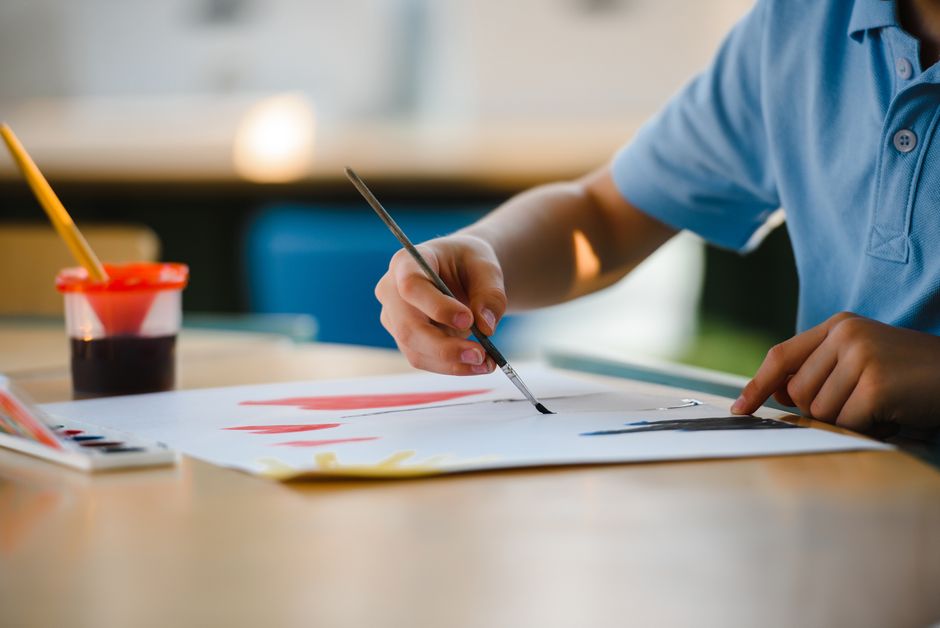
The Cognitive Benefits of Integrating Arts into the Curriculum
The impact of arts on the developing brain is profound and well-documented. Engaging in creative activities stimulates neural pathways, improves cognitive function, and equips students with a versatile mental toolkit applicable across all academic subjects. This cognitive enhancement is a key aspect of the role of art and creativity in education.
Enhancing Critical Thinking and Problem-Solving Skills
Art is a continuous exercise in problem-solving. A painter must decide on color composition, a sculptor must consider balance and structure, and a musician must adjust tempo and dynamics. These are not trivial choices; they are complex decisions with tangible outcomes.
This process forces students to analyze situations, make informed judgments, and evaluate the results of their actions. It teaches them to embrace ambiguity and understand that many problems have more than one “right” answer, a crucial skill that standardized tests often fail to cultivate. The development of these abilities showcases the powerful role of art and creativity in education.
Improving Memory and Concentration
Artistic endeavors demand sustained focus and attention to detail. Whether memorizing lines for a play, learning a complex piece of music, or completing a detailed drawing, students are actively training their concentration skills. This focused engagement strengthens their ability to persist through challenges in other academic areas.
Furthermore, the multi-sensory nature of art helps cement learning and improve memory retention. When students act out a historical event or draw a diagram of a biological process, they engage with the material on a much deeper level than simple rote memorization. This kinesthetic connection, a core part of the role of art and creativity in education, makes information more meaningful and memorable. For further reading on this topic, consult a study on arts and memory from the National Institutes of Health .
Fostering Innovation and Originality
At its heart, creativity is the engine of innovation. Arts education provides a safe space for students to experiment, take risks, and think outside conventional boundaries without fear of failure. It encourages them to ask “What if?” and to explore unconventional solutions.
This mindset is precisely what is needed to solve the complex global challenges of the future. By nurturing originality from a young age, we are preparing students to become the innovators, entrepreneurs, and leaders of tomorrow. This forward-looking preparation is perhaps the most significant role of art and creativity in education.

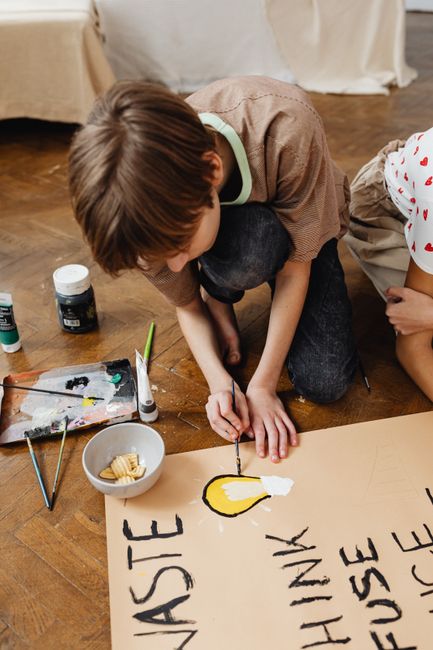
Unlocking Emotional and Social Development Through Creative Expression
Education is about more than academic knowledge; it is about developing emotionally intelligent and socially competent human beings. This is where the role of art and creativity in education shines brightest, offering unique avenues for students to explore their feelings, understand others, and build meaningful connections.
Building Empathy and Cultural Awareness
Art is a universal language that transcends cultural and historical divides. By studying music, dance, theater, and visual arts from different parts of the world and different eras, students gain a window into the experiences and perspectives of others. This exposure builds a profound sense of empathy and global awareness.
They learn that while cultures may differ, the core human emotions of joy, sorrow, and hope are universal. This understanding is crucial for fostering a tolerant and inclusive society, making cultural exploration a critical component of the role of art and creativity in education. This connects to our broader curriculum on developing student confidence .
Boosting Self-Esteem and Confidence
The act of creating something tangible—a poem, a sculpture, a performance—provides a powerful sense of accomplishment. Arts education offers countless opportunities for students to express their unique voice and see their ideas come to life. This process is instrumental in building self-esteem.
Presenting their work to peers also helps students develop confidence and resilience. It teaches them to accept constructive feedback and to be proud of their efforts, regardless of the outcome. The focus is on the process of creation, which reinforces that their ideas have value, a key lesson in the role of art and creativity in education.
Developing Collaboration and Communication Skills
Many art forms are inherently collaborative. Think of a school band, a theater ensemble, or a group mural project. These activities require students to listen to each other, negotiate ideas, and work together toward a common goal.
They learn to communicate their vision effectively and to respect the contributions of others. These collaborative skills are highly sought after in the modern workplace and are essential for success in any team-based environment. This practical skill development is yet another example of the vital role of art and creativity in education.
The Academic Impact: How Arts Education Boosts Core Subject Performance
A common misconception is that time spent on the arts takes away from core academic subjects. The opposite is true. A well-implemented arts program enhances learning across the curriculum, helping students grasp complex concepts in math, science, and literacy in more intuitive and engaging ways. Acknowledging this crossover effect is crucial to understanding the full role of art and creativity in education.


The Link Between Music and Mathematics
The connection between music and math is well-established. Musical concepts like rhythm, harmony, and tempo are deeply rooted in mathematical patterns and ratios. Learning to read music and understand fractions, for instance, engages similar cognitive processes.
Studies have shown that students with musical training often exhibit enhanced spatial-temporal reasoning, a skill essential for solving complex math problems. By making abstract mathematical concepts tangible and audible, music education reinforces and deepens students’ numerical understanding, highlighting an unexpected and powerful aspect of the role of art and creativity in education.
Visual Arts and Literacy
Visual arts are a powerful tool for developing literacy skills. When students analyze a painting, they learn to “read” images for meaning, symbolism, and narrative. This visual literacy translates directly to improved reading comprehension, as they become more adept at identifying themes and subtext in written works.
Furthermore, creating art to accompany their writing helps students organize their thoughts and express ideas more vividly. They learn to use descriptive language more effectively and to craft compelling narratives. This symbiotic relationship shows the integrated role of art and creativity in education.
Drama, History, and Social Studies
Drama brings history and social studies to life. Instead of just reading about historical events, students can re-enact them, embodying different characters and debating their motivations. This immersive experience leads to a much deeper and more lasting understanding of complex historical contexts.
Through dramatic exercises, students also develop crucial public speaking, persuasive argumentation, and critical listening skills. They learn to see historical figures not as abstract names in a textbook but as real people with complex motivations, which is a sophisticated level of understanding fostered by the role of art and creativity in education.
Understanding the Crucial Role of Art and Creativity in Education for the Future Workforce
The world of work is changing at an unprecedented pace due to automation and artificial intelligence. The skills that will be most valuable in the future are not those that can be easily automated, but rather those that are uniquely human: creativity, critical thinking, collaboration, and adaptability. Recognizing the role of art and creativity in education is therefore a matter of economic and societal necessity.
Global organizations like the World Economic Forum consistently list creativity and complex problem-solving among the most critical skills for the future workforce . These are the very skills that are cultivated through consistent engagement with the arts. Students who learn to improvise in a drama class or find a novel approach to a visual design problem are practicing the kind of flexible, adaptive thinking that employers desperately need.
An arts-rich education prepares students for jobs that may not even exist yet. It moves beyond teaching what to think and instead focuses on teaching how to think: creatively, critically, and collaboratively. This preparation for an unknown future is arguably the most compelling argument for the central role of art and creativity in education today.

Practical Strategies for Integrating Art and Creativity in Every Classroom
Embracing the role of art and creativity in education does not require every teacher to be a professional artist. It is about adopting a creative mindset and integrating artistic principles into everyday teaching practices across all subjects. This approach makes learning more dynamic, inclusive, and effective.
Project-Based Learning (PBL)
Project-Based Learning is an ideal framework for arts integration. Instead of a standard book report, students could create a short film, design a graphic novel, or compose a song about a historical figure. These projects allow for deeper engagement with the material and give students agency over their learning.
This method shifts the focus from rote memorization to application and synthesis of knowledge. It naturally incorporates the 4 C’s—critical thinking, communication, collaboration, and creativity—and demonstrates the practical role of art and creativity in education. Read more on effective classroom management strategies to support PBL.
Utilizing Technology and Digital Arts
Creativity in the 21st century extends far beyond traditional media. Integrating digital tools like graphic design software, video editing platforms, and music production apps can engage a wider range of students. It connects their classroom learning to the modern digital world they inhabit.
Using technology allows for new forms of creative expression and can make complex projects more accessible. Students can collaborate on digital murals, produce podcasts, or design 3D models, all of which build valuable technical skills alongside creative ones. This modernization is key to the evolving role of art and creativity in education.
Creating a “Culture of Creativity”
Ultimately, the most impactful strategy is to foster a classroom and school culture that values creativity. This means encouraging risk-taking, celebrating the process as much as the final product, and viewing “mistakes” as learning opportunities. It’s about creating a psychologically safe environment where students feel comfortable sharing their ideas.
This can be as simple as displaying student work prominently, providing flexible seating arrangements, or incorporating short creative warm-ups into daily routines. When creativity is woven into the fabric of the school day, the transformative role of art and creativity in education can be fully realized.
Overcoming Challenges to Implementing Arts Education
Despite overwhelming evidence of its benefits, arts education faces significant challenges. Budget cuts, an intense focus on standardized test scores in a few core subjects, and a lack of adequate training for non-art teachers are common hurdles. Championing the role of art and creativity in education requires acknowledging and addressing these obstacles head-on.
Advocacy is crucial. Parents, educators, and community members must voice their support for robust arts programs to school boards and policymakers. Forming partnerships with local artists, museums, and theaters can also bring valuable resources and expertise into schools, supplementing existing programs without straining budgets. Organizations like Americans for the Arts offer resources for advocacy.
Providing professional development for all teachers on how to integrate creative strategies into their curricula is also essential. When a science teacher feels confident using drawing to explain a concept, or a history teacher uses role-playing, the role of art and creativity in education expands beyond the art room and enriches the entire school.
The Proven Role of Art and Creativity in Education: Case Studies and Evidence
The theoretical benefits are backed by tangible results. Numerous studies and real-world programs demonstrate the positive impact of a strong arts curriculum. The evidence clearly supports the essential role of art and creativity in education for improving student outcomes.
For example, research on programs like the A+ Schools of North Carolina has shown that schools with an arts-integrated approach consistently see improvements in student achievement, attendance, and disciplinary issues. These schools don’t just perform better on tests; they create a more positive and engaging learning environment for everyone.
Educators in these programs report that students are more motivated, more willing to collaborate, and more adept at making connections between different subjects. This holistic improvement is a testament to the powerful, unifying role of art and creativity in education. We can learn from these models to build better schools for the future.
Conclusion: Embracing Creativity as a Core Educational Value
The evidence is clear and compelling: the role of art and creativity in education is not a luxury, an add-on, or a distraction from “real” learning. It is a fundamental, indispensable component of a complete and effective education. It is the engine of cognitive development, the key to emotional intelligence, and the foundation for the skills required to thrive in the 21st century.
From improving memory and critical thinking to fostering empathy and boosting academic performance in core subjects, the benefits are vast and interconnected. By integrating the arts into every aspect of our educational system, we do more than teach subjects; we nurture curious, confident, and capable human beings. We must move beyond simply tolerating the arts and begin actively championing them.
It is time for educators, administrators, parents, and policymakers to fully embrace the role of art and creativity in education. By investing in creative expression, we are investing in our students’ futures and in the innovative, compassionate, and resilient society they will one day lead. If you are an educator or parent looking for more information, please visit our resource page .