

 MMM
MMM Whispers on the Water: Finding Peace in the Tranquil Canals of Suzhou
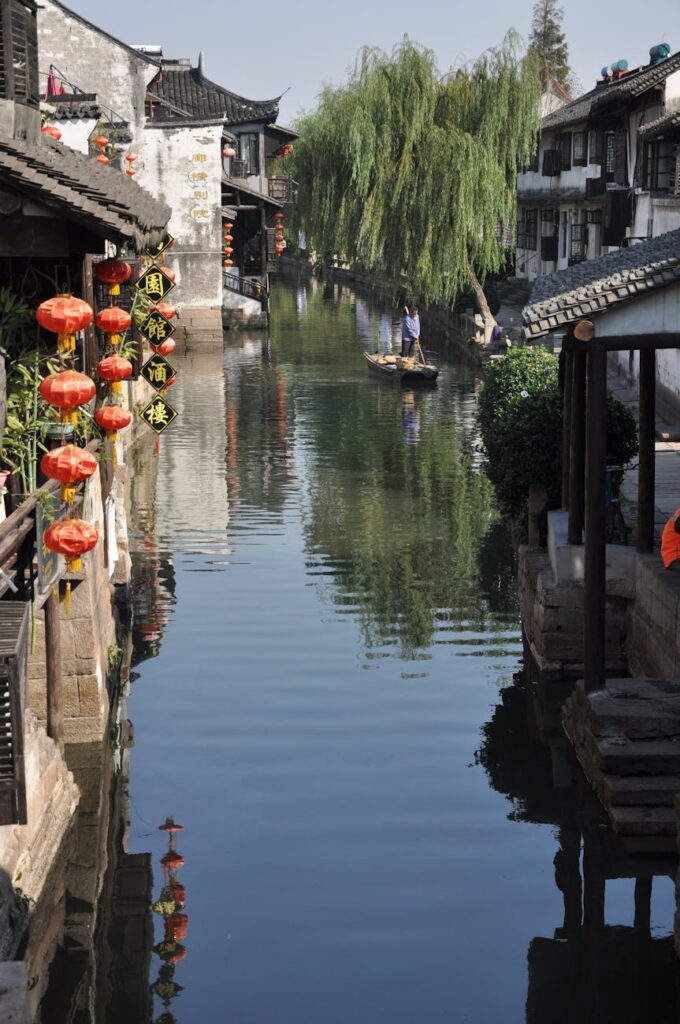
Forget the sprawling metropolises and their relentless hum for a moment. Picture this instead: the gentle lapping of water against stone, the rhythmic creak of an oar, and the soft glow of red lanterns reflecting in a dark, placid waterway. This isn’t a scene from a historical film. It’s just another evening along the canals of Suzhou, a city that has gracefully danced with water for over 2,500 years. Often called the “Venice of the East,” Suzhou offers a much more intimate, and I’d argue, a more soul-soothing experience. It’s a place where history isn’t just confined to museums; it’s etched into the very stones of its bridges and flows through the ancient waterways that serve as its lifeblood. It’s a place to slow down. To just… be.
Key Takeaways
- Venice of the East: Suzhou’s nickname comes from its intricate network of canals, historic stone bridges, and classical gardens, which have been central to its identity for centuries.
- Must-Visit Districts: Prioritize exploring Pingjiang Road for its preserved Song dynasty layout and Shantang Street for its vibrant atmosphere, especially at night.
- The Gondola Experience: Taking a traditional, hand-sculled boat ride is non-negotiable. It offers a unique perspective of the city’s architecture and daily life you can’t get from the streets.
- Beyond the Canals: The canals are intrinsically linked to Suzhou’s UNESCO World Heritage classical gardens, like the Humble Administrator’s Garden and the Lingering Garden. Don’t miss them.
- Practical Advice: The best times to visit are spring and autumn. Wear comfortable shoes, as you’ll do a lot of walking on cobblestone streets.
So, Why Exactly is it Called the “Venice of the East”?
It’s a catchy title, isn’t it? And it’s not just some modern marketing slogan. The comparison dates back centuries, famously noted by Marco Polo himself, who was utterly captivated by the city’s charm. But let’s be clear: Suzhou isn’t a carbon copy of Venice. It has its own unique, deeply Chinese character. The comparison stems from the city’s fundamental relationship with water. While Venice rose from a lagoon, Suzhou was strategically built on the Yangtze River Delta, a fertile, water-rich plain. The massive Grand Canal, a UNESCO World Heritage site and one of the most ambitious engineering projects in human history, flows right through it. This turned Suzhou into a bustling hub for trade, silk, and scholarship. The canals weren’t just for decoration; they were the highways of their time. They were for commerce, for transport, for everything.
What you see today is a beautiful echo of that past. The city’s core is a delicate web of smaller canals branching off the main arteries, flanked by whitewashed homes with black-tiled roofs. These homes often had private wharves where families would wash clothes, receive goods, and go about their daily lives directly on the water’s edge. This intimate connection between life and water is what truly defines Suzhou. It’s a softer, more poetic urbanism than you’ll find almost anywhere else in the world. While Venice has its grandeur and drama, Suzhou has a quiet, scholarly elegance. It’s less about palazzos and more about private gardens and the simple beauty of a willow tree dangling its branches into the water.
Navigating the Labyrinth: The Best Canal Districts to Explore
You could spend weeks just getting lost in Suzhou’s waterways (and I highly recommend you do), but if you’re on a tighter schedule, there are two areas that are absolutely essential. They represent two different, yet equally enchanting, sides of canal life.
Pingjiang Road: A Living History Book
If you do only one thing in Suzhou, walk the length of Pingjiang Road (平江路). Seriously. This 1.5-kilometer stone-paved lane runs parallel to the Pingjiang River and has retained its Song Dynasty layout for over 800 years. That’s not a typo. Eight hundred years. Walking here feels like stepping through a temporal curtain. The main street is for pedestrians, but the real magic is in the tiny, narrow alleyways that branch off it, leading over tiny arched bridges to quiet residential areas where life continues much as it has for centuries. You’ll see locals playing mahjong, hanging out their laundry, and cooking meals, their lives interwoven with the ancient stones and water.
Pingjiang Road itself is a delightful mix of old and new. You’ll find traditional teahouses, silk shops, and vendors selling local snacks like glutinous rice balls and fried dumplings. But you’ll also find quirky cafes, independent bookstores, and small boutiques. It’s a living, breathing part of the city, not a sterile tourist trap. My advice? Grab a cup of Bi Luo Chun tea, one of the local specialties, find a seat by the canal, and just watch the world—and the boats—drift by. It’s mesmerizing.
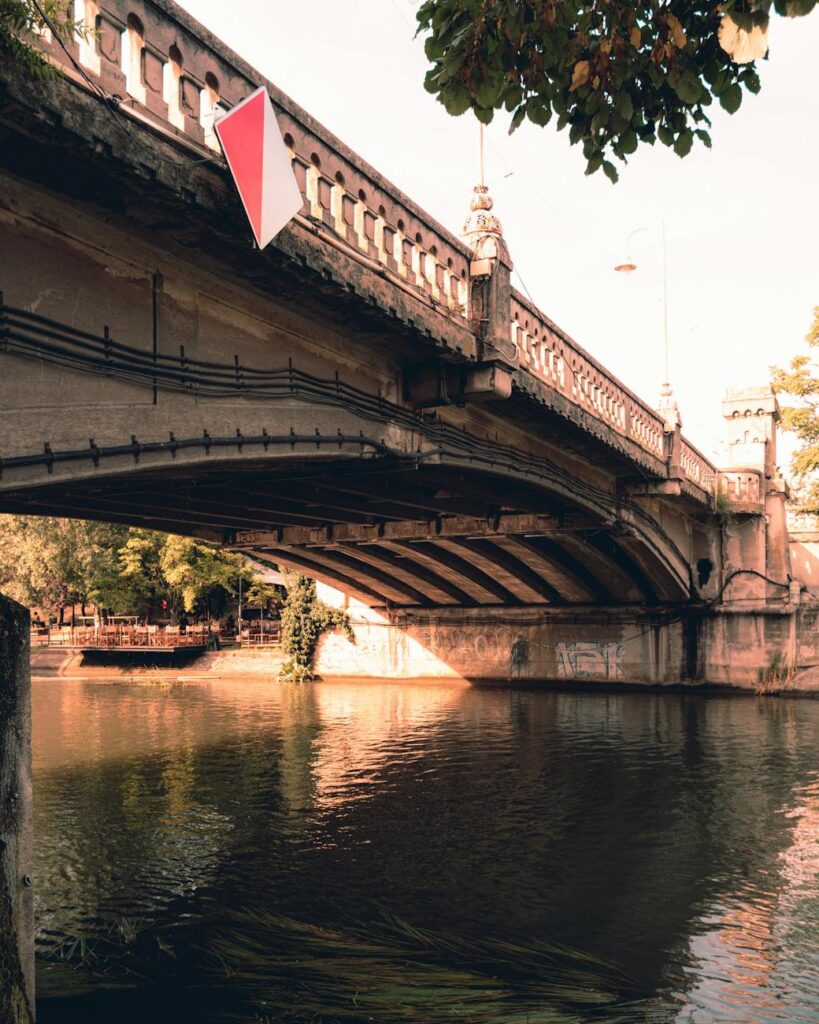
Shantang Street: Lanterns, Legends, and Liveliness
If Pingjiang Road is the city’s quiet, poetic soul, then Shantang Street (山塘街) is its vibrant, beating heart. Especially after sunset. Built in the Tang Dynasty, this 3.6-kilometer stretch is famously known as the “First Street in Suzhou.” The section near the city center is a riot of color and sound. The buildings are festooned with bright red lanterns that cast a magical glow over the water at night. It’s bustling, packed with people, and filled with shops selling everything from intricate embroidery to chewy ‘dragon’s beard’ candy.
It can feel a bit touristy, I won’t lie. But don’t let that put you off. The energy is infectious. It’s the perfect place to feel the commercial history of the canals. This was a major artery of trade, and you can still feel that buzz. Cross the ancient bridges, haggle for a souvenir, and sample some street food. For a more authentic experience, keep walking west, away from the main tourist hub. The street becomes much quieter, transforming back into a residential neighborhood that offers a glimpse into a more peaceful side of Shantang.
Beyond the Main Drags: Finding Your Own Quiet Corner
The best part about Suzhou is that tranquility is never far away. Don’t be afraid to wander off the main paths. Pick a small, unnamed canal on a map and just follow it. You’ll be rewarded with scenes of incredible beauty and authenticity—an old man fishing from his window, a stray cat sleeping on a curved stone bridge, the vibrant green of moss growing on ancient steps leading down to the water. These are the moments that will truly stay with you.
The Quintessential Suzhou Experience: The Gondola Ride
You simply cannot visit Suzhou without getting on the water. It’s like going to Paris and not seeing the Eiffel Tower. The city is meant to be seen from this perspective. The flat-bottomed, black-canopied wooden boats, often called “gondolas” for the tourists’ sake, are sculled by a single boatman or woman standing at the stern, using a long oar to propel and steer. It’s a skill passed down through generations.
What to Expect on the Water
As you glide silently along, the city reveals itself in a new way. You pass under dozens of centuries-old stone bridges, each one a unique work of art. You get a voyeuristic peek into the backyards and waterside patios of the ancient homes. The sounds of the city fade, replaced by the gentle splash of the oar and, if you’re lucky, the sound of your boatman singing a local folk song or ‘pingtan,’ a traditional form of storytelling with music. Their haunting melodies echo under the low bridges, creating an atmosphere that is pure magic. It’s intimate, relaxing, and deeply moving. It connects you to the history of the place in a way that walking just can’t.
Tips for the Perfect Ride
A few pro-tips to make your ride even better. First, prices can be negotiable, especially if you’re away from the main tourist docks. Rides are typically priced per boat, not per person, so it’s more economical for a group. Second, consider a ride at dusk. Seeing the city transition from day to night from the water, as the lanterns begin to glow and reflect in the canals, is an unforgettable experience. Finally, don’t be shy! Try to engage with your boat operator. Even with a language barrier, a smile and a gesture can go a long way. They are the keepers of the canals’ stories.
More Than Just Water: The Gardens and Bridges of the Canals of Suzhou
The canals are the arteries, but the classical gardens are the city’s soul. And they are inextricably linked. Many of Suzhou’s most famous gardens were built by wealthy officials and merchants who made their fortunes from the trade that flowed through the canals. These gardens aren’t like Western gardens with vast lawns and symmetrical flowerbeds. They are miniature idealized landscapes, designed to be artistic masterpieces. They use rockeries, water features, and exquisitely placed pavilions to create a sense of harmony and tranquility, a perfect escape from the urban world.
Humble Administrator’s Garden (Zhuo Zheng Yuan)
This is the big one. The largest and most famous classical garden in Suzhou, and for good reason. It’s a stunning masterpiece of Ming Dynasty design, with water as its central element. Ponds and streams connect a series of delicate pavilions and covered walkways. You can easily spend half a day here, getting lost in its winding paths and discovering new, perfectly framed views at every turn. It truly feels like walking through a living Chinese landscape painting.
Lingering Garden (Liu Yuan)
While the Humble Administrator’s Garden is known for its scale and water features, the Lingering Garden is celebrated for its masterful use of architecture and space. It’s a Qing Dynasty garden that brilliantly divides a limited area into four distinct sections: East, Central, West, and North, each with its own theme. The covered corridors are a highlight, with latticed windows that frame different views of the garden like living pictures. It’s an architectural marvel.
The Bridges as Art
Don’t forget to look at the bridges themselves! Suzhou is a city of bridges, with hundreds of them crisscrossing the canals. They aren’t just functional; they are works of art. From simple stone slabs to elegant, high-arched ‘camelback’ bridges, each has its own character and history. Their reflections in the water create perfect circles, a symbol of togetherness and perfection in Chinese culture. They are the stitches that hold the city’s beautiful fabric together.
A Taste of Canal Life: What to Eat and Drink
Exploring is hungry work, and Suzhou’s cuisine is as delicate and refined as its gardens. It’s a branch of Jiangsu cuisine, one of the Eight Great Cuisines of China, known for its focus on fresh, seasonal ingredients and slightly sweet flavors.
Here’s a quick list of must-try dishes:
- Squirrel-Shaped Mandarin Fish (松鼠桂鱼): Don’t worry, no squirrels are involved! It’s a whole fish deboned and expertly cut to resemble a squirrel’s bushy tail, then deep-fried and covered in a sweet and sour sauce. It’s a feast for the eyes and the palate.
- Sheng Jian Bao (生煎包): Pan-fried pork buns. Crispy and golden on the bottom, soft and fluffy on top, and filled with a juicy, savory pork meatball. Be careful with the first bite—the soup inside is hot!
- Suzhou-style Noodles: The city is famous for its noodle soups. The broth is light and flavorful, and the toppings are incredibly delicate. It’s the perfect comfort food.
- Sweet Green Rice Balls (青团): A seasonal treat, especially in spring. These are soft, chewy glutinous rice balls colored and flavored with mugwort, often filled with sweet red bean paste.
And to drink? You must try the local Bi Luo Chun tea (碧螺春), a famous green tea known for its delicate, fruity aroma. Find a traditional teahouse along the canal, and they’ll bring you a lidded cup (gaiwan) and a thermos of hot water for endless refills. It’s the perfect way to slow down and soak in the atmosphere.
Practical Tips for Your Visit
Ready to pack your bags? Here are a few final things to keep in mind for a smooth trip.
- Best Time to Visit: Spring (April-May) and Autumn (September-October) are ideal. The weather is pleasant, the gardens are in full bloom or showcasing beautiful autumn colors, and you avoid the intense summer heat and humidity.
- Getting There and Around: Suzhou is incredibly easy to reach. It’s just a 30-minute bullet train ride from Shanghai. Once you’re in the old town, the best way to get around is on foot. The canal districts are a maze of pedestrian-friendly lanes. For longer distances, the Suzhou Metro is clean, efficient, and easy to navigate.
- Where to Stay: For the most immersive experience, consider staying in a boutique hotel or guesthouse located in one of the historic canal districts like Pingjiang Road. Waking up to the sounds of the water and the quiet morning bustle is an experience in itself.
Conclusion
The tranquil canals of Suzhou are more than just a beautiful backdrop for photos. They are a reminder of a slower, more deliberate way of life. In a world that constantly rushes forward, Suzhou offers a chance to float back in time. It’s a city that invites you to put away your phone, to wander without a destination, and to simply listen to the whispers of the water. It’s a place where you can find a profound sense of peace in the reflection of a lantern, the arch of an ancient bridge, and the gentle rhythm of an oar parting the placid water. Don’t just visit Suzhou—experience it. Let its gentle currents carry you away.


 Find Your Zen: The World’s Most Calming Hotel Lobbies
  Find the Best Train Carriages for Quiet & Scenic Views
  Hammock Reading: Finding Joy in Simple Pleasures
  Create a Sensory Souvenir: Remember Your Trip Forever
  The Calming Colors of a Santorini Sunset Explained
  Discover the World’s Best Planetariums: A Guide
  Backtest Crypto Trading Strategies: A Complete Guide
  NFT Standards: A Cross-Chain Guide for Creators & Collectors
  Decentralized Storage: IPFS & Arweave Explained Simply
  How to Calculate Cryptocurrency Taxes: A Simple Guide
  Your Guide to Music NFTs & Top Platforms for 2024
  TradingView for Crypto: The Ultimate Trader’s Guide