

 Business Suite
Step-by-Step Process to Make Money by Creating and Licensing Sound Effects and Audio Loops for Creators
If you’re looking for a creative way to earn income, exploring the step-by-step process to make money by creating and licensing sound effects and audio loops for creators is a promising avenue. The demand for high-quality audio assets is consistently growing, fueled by the explosion of content creation across various platforms like YouTube, TikTok, podcasts, and independent game development.
Table of Contents
- Understanding the Market for Sound Effects and Audio Loops
- Essential Tools and Skills for Audio Creation
- Step 1: Identifying Your Niche and Creating High-Quality Assets
- Step 2: Licensing and Distribution Strategies
- Step 3: Marketing Your Sound Effects and Audio Loops
- Step 4: Building Relationships and Scaling Your Income
- Conclusion: Your Journey to Monetizing Audio Creation
This article will guide you through the essential stages of building a sustainable income stream from your audio creations. It’s a process that requires a blend of technical skill, creative flair, and a strategic approach to marketing and distribution.
Understanding the Market for Sound Effects and Audio Loops
Before diving into creation, it’s vital to grasp who needs your audio and why. Content creators, filmmakers, game developers, musicians, and app developers all require sound effects and music loops to enhance their projects.
These assets add polish, evoke emotion, and immerse audiences. Generic or poorly produced audio can detract from even the best visual content. Therefore, creators are willing to pay for professional, royalty-free sounds.
Who Needs Your Audio?
- Video Editors: For adding impact to scenes, Foley sounds, and transitions.
- Podcasters: For intro/outro music, soundscapes, and stingers.
- Game Developers: For character actions, environmental ambiance, and UI feedback.
- App Developers: For notification sounds and in-app audio cues.
- Social Media Influencers: For adding dynamic audio to their short-form videos.
The market is vast and continues to expand. Understanding these specific needs will help you tailor your creations for maximum appeal.
Essential Tools and Skills for Audio Creation
To embark on this step-by-step process to make money, you’ll need the right tools and foundational skills. While expensive equipment isn’t always necessary to start, a certain level of investment and learning is crucial.
1. Recording Equipment
High-quality audio starts with quality input. You don’t need a professional studio initially, but a good microphone is indispensable. Options range from USB microphones for simple setups to XLR microphones with audio interfaces for more advanced recording.
Consider microphones suitable for capturing various sounds, from subtle Foley to percussive elements. Some creators even use smartphones with external mics for on-the-go recordings.
2. Digital Audio Workstation (DAW)
A DAW is your central hub for recording, editing, mixing, and mastering audio. There are numerous DAWs available, catering to different budgets and skill levels.
Popular choices include:
- Audacity: Free and open-source, great for beginners.
- GarageBand: Free on Apple devices, user-friendly.
- Reaper: Affordable and highly customizable professional DAW.
- Ableton Live, Logic Pro X, FL Studio: Professional-grade DAWs with extensive features.
Familiarize yourself with your chosen DAW. Mastering its functions will significantly speed up your workflow and improve the quality of your output.
3. Sound Design Fundamentals
Beyond basic recording, understanding sound design principles is key. This involves manipulating sounds to create new and interesting textures, adding effects like reverb, delay, and equalization, and ensuring a professional final product.
Learning about psychoacoustics and how sound affects human perception can also give you an edge. Experimentation is your best friend here.
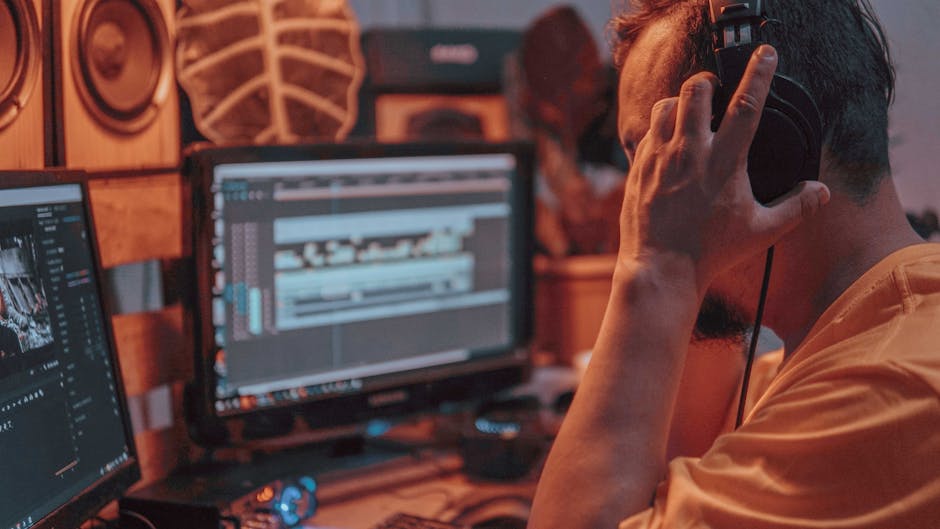
Step 1: Identifying Your Niche and Creating High-Quality Assets
Once you have your tools and basic skills, it’s time to start creating. The step-by-step process to make money involves identifying what you’re good at and what’s in demand.
Defining Your Niche
Instead of trying to create every type of sound, focus on a specific area. This could be:
- Foley Sounds: Everyday sounds like footsteps, door creaks, object handling.
- Environmental Ambiance: Nature sounds, cityscapes, interior ambiences.
- UI Sounds: Notification pings, button clicks, menu interactions.
- Musical Loops: Background music for videos, electronic beats, instrumental melodies.
- Specialized Sounds: Sci-fi effects, horror stingers, fantasy magic sounds.
Specializing allows you to build a reputation and cater to a dedicated audience.
Producing High-Quality Audio
Quality is paramount. Creators will not pay for noisy, distorted, or poorly edited audio.
- Record in Quiet Environments: Minimize background noise.
- Use Proper Microphone Techniques: Experiment with mic placement.
- Edit Ruthlessly: Remove unwanted noise, clicks, and pops.
- Mix and Master Professionally: Ensure consistent levels and a clean sound.
- Organize Your Files: Use clear naming conventions for easy browsing.
Aim for clean, clear, and impactful sounds that are immediately usable by creators.
Step 2: Licensing and Distribution Strategies
Creating excellent audio is only half the battle. You need an effective way to get it into the hands of creators and get paid. This is where licensing and distribution platforms come into play.
Understanding Licensing
The most common licensing model for sound effects and audio loops is royalty-free. This means a creator pays a one-time fee for the license to use your audio in their projects, and you don’t have to pay them royalties for each use.
Key licensing terms to consider:
- Commercial Use: Can the buyer use it in projects that generate revenue?
- Editorial Use: Can it be used in news or documentary-style content?
- Distribution Limits: Are there any limits on where or how many times it can be used?
- Modification: Can the buyer edit or alter the sound?
Clearly define your licensing terms to avoid confusion and legal issues.
Choosing Distribution Platforms
Several online marketplaces are specifically designed for selling audio assets. These platforms handle payment processing, licensing management, and provide a customer base.
Popular platforms include:
- AudioJungle (Envato Market): A massive marketplace for music and sound effects.
- Soundstripe: Focuses on music and SFX for video creators.
- Artlist: Primarily for music, but also offers sound effects.
- Epidemic Sound: Another strong player in the music and SFX licensing space.
- Pond5: A large marketplace for various media assets, including audio.
- Direct Sales: Setting up your own website or online store (e.g., using Shopify or Gumroad) gives you more control and higher profit margins, but requires more marketing effort.
Research each platform to see which aligns best with your content and target audience.

Step 3: Marketing Your Sound Effects and Audio Loops
Even the best audio won’t sell itself. A robust marketing strategy is crucial for the step-by-step process to make money. You need to attract creators to your work.
Build a Portfolio and Showcase Your Best Work
Your marketplace profiles or personal website act as your storefront. Ensure your best-sounding, most diverse, and in-demand assets are prominently featured.
Create curated packs or bundles that offer value and cater to specific project needs. For example, a “Sci-Fi UI Pack” or an “Ambient Forest Pack.”
Leverage Social Media
Platforms like Instagram, TikTok, and YouTube are ideal for showcasing audio. You can:
- Post short video clips demonstrating your sound effects in action (synced with visuals).
- Share behind-the-scenes glimpses of your recording or production process.
- Create tutorials on how to use your sounds effectively.
- Engage with content creators in your target niches.
Use relevant hashtags like #sounddesign, #audioproduction, #royaltyfreesounds, #foleyartist, #gamesound, #videoaudio.
Content Marketing
Start a blog or YouTube channel where you discuss sound design, offer tips, and showcase your work. This establishes you as an authority in the field and drives organic traffic to your offerings.
Consider creating freebie packs to attract leads and build an email list. Offer valuable content that solves problems for creators.

Step 4: Building Relationships and Scaling Your Income
As you gain traction, focus on building lasting relationships and exploring avenues for scaling your income. The step-by-step process to make money is an ongoing journey of refinement and growth.
Engage with Your Audience and Clients
Respond to comments, answer questions, and provide excellent customer service. Positive reviews and testimonials can significantly boost your credibility and attract new buyers.
If a client has specific audio needs that you can fulfill, consider offering custom sound design services. This can be a highly lucrative part of your business.
Analyze Your Sales and Adapt
Regularly review your sales data. Which sound effects are selling best? What types of packs are most popular? This information is invaluable for guiding your future creative efforts.
Stay updated on industry trends. Are there emerging platforms or content types that require specific audio? Be ready to adapt your offerings.
Explore Premium Offerings
Once you’ve established a strong portfolio and reputation, you can consider premium products or services.
- Exclusive Packs: High-end, professionally designed audio collections.
- Subscription Services: For frequent buyers who need a constant stream of new audio.
- Custom Sound Design: Offering personalized audio creation for larger projects.
This multifaceted approach allows you to diversify your income streams and build a truly sustainable business from your passion for sound.
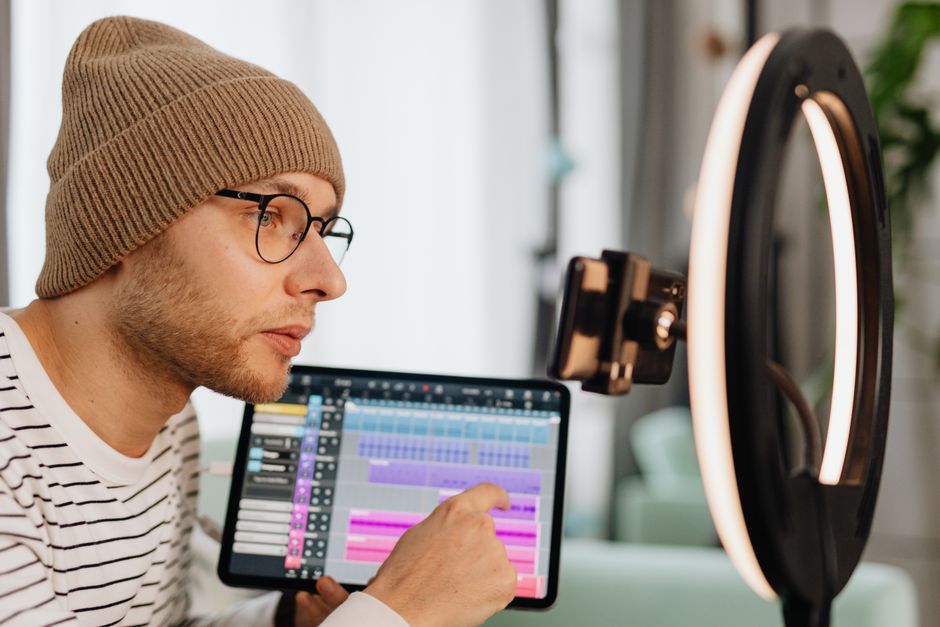
Conclusion: Your Journey to Monetizing Audio Creation
The path to making money by creating and licensing sound effects and audio loops is accessible to anyone with a passion for sound, a willingness to learn, and a strategic approach. By focusing on quality, understanding your market, choosing the right distribution channels, and marketing effectively, you can build a rewarding income stream.
Remember that consistency is key. Continuously create, refine your skills, and engage with the creator community. The demand for high-quality audio assets is only set to grow, making this a dynamic and exciting field for any aspiring audio entrepreneur.

