

The Role of AI in Semiconductor Physical Design and Chip Floorplanning
The role of AI is rapidly transforming the complex and demanding field of semiconductor physical design, particularly in the intricate process of chip floorplanning. This technology is no longer a futuristic concept but a present-day necessity, empowering engineers to overcome unprecedented design challenges.
Table of Contents
Chip floorplanning sets the foundational layout for an entire integrated circuit. It involves strategically placing major functional blocks and defining their interconnections. This stage heavily influences power, performance, and area (PPA) metrics, making its optimization critical for modern chip success.
Historically, floorplanning relied on manual expertise and iterative trial-and-error. This approach became unsustainable as chip complexity soared, leading to longer design cycles and increased costs. AI offers a powerful solution to automate and optimize this crucial phase.
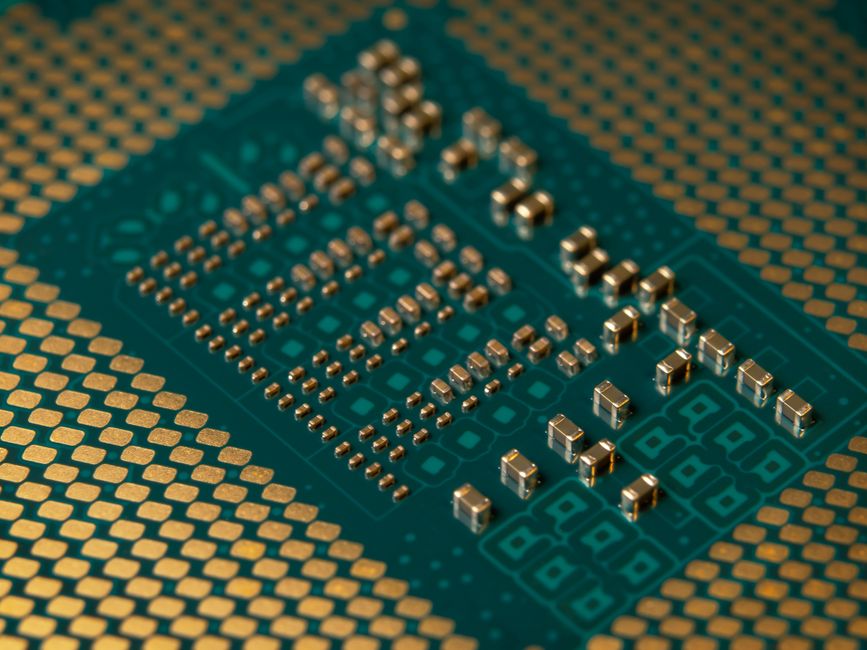
Revolutionizing Chip Floorplanning with Artificial Intelligence
AI algorithms can analyze vast datasets of previous designs and performance metrics. This allows them to identify optimal placement strategies and predict potential issues before they arise. The sheer computational power and pattern recognition capabilities of AI far exceed human capacity for this task.
Machine learning (ML) models, a subset of AI, are at the forefront of this revolution. They learn from design data to make intelligent decisions about block placement, routing congestion, and power distribution. This leads to more efficient and robust chip layouts.
Deep learning techniques, in particular, are proving highly effective. They can uncover subtle relationships and complex dependencies within design data that might be missed by traditional methods. This enables a deeper level of optimization for chip floorplanning.
Key AI Applications in Semiconductor Physical Design
Beyond floorplanning, AI is making significant inroads across the entire semiconductor physical design flow. Its influence spans multiple critical stages, driving efficiency and innovation.
Placement and Routing Optimization
AI-powered tools can predict and mitigate routing congestion. They analyze potential bottlenecks in signal pathways and suggest adjustments to block placement or routing strategies. This significantly reduces the time spent on manual routing fixes.
Optimal placement of standard cells and complex IP blocks is another area where AI excels. Algorithms can evaluate thousands of placement options to find configurations that minimize wire length and power consumption. This directly impacts chip performance.
Timing and Power Analysis
AI can accelerate and improve the accuracy of timing analysis. By learning from historical timing violations and their causes, ML models can predict potential timing issues early in the design cycle. This proactive approach saves considerable debugging time.
Power integrity analysis also benefits immensely. AI can identify areas prone to voltage drop or excessive power consumption. It then suggests design modifications to ensure stable and efficient power delivery across the entire chip.
Design Rule Checking (DRC) and Layout Versus Schematic (LVS)
While traditional DRC and LVS tools are rule-based, AI can augment them. ML models can learn from common DRC violations and flag them more intelligently, reducing false positives. This streamlines the verification process.
AI can also help in understanding the root causes of LVS failures, which can often be complex. By analyzing patterns in schematic and layout discrepancies, AI can guide engineers towards faster resolution.
Automated Design Exploration
AI enables rapid exploration of the design space. Engineers can define high-level objectives, and AI algorithms can automatically generate and evaluate numerous design variations. This accelerates the search for the optimal PPA trade-offs.
This automated exploration allows designers to consider a much wider range of possibilities than manual methods would allow. It’s a powerful tool for innovation and pushing performance boundaries.
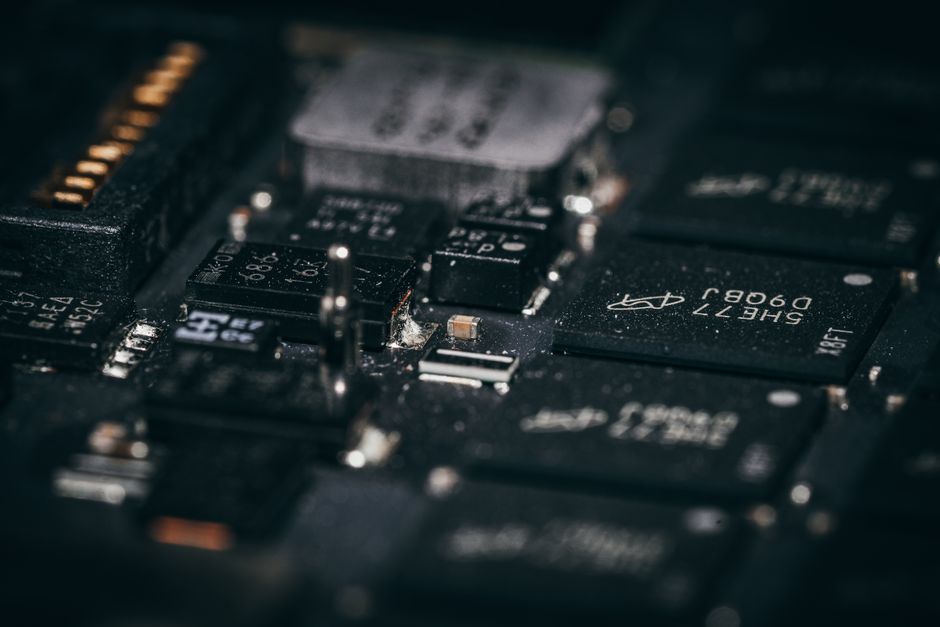
The Role of AI in Optimizing Chip Floorplanning Specifics
Let’s delve deeper into how AI specifically addresses the nuances of chip floorplanning. It tackles several complex sub-problems that are crucial for a successful chip design.
Macro Placement and Block Partitioning
AI can intelligently determine the best positions for large IP blocks (macros) within the chip layout. It considers factors like communication bandwidth, power requirements, and thermal characteristics to minimize performance impact.
For very large designs, AI can assist in partitioning the chip into smaller, manageable blocks. This makes the overall floorplanning process more systematic and less prone to errors.
Channel Routing and Global Routing Guidance
While AI doesn’t typically perform the final detailed routing, it can provide invaluable guidance for channel routing and global routing strategies. It predicts routing congestion hotspots and suggests block placements that alleviate these issues.
This pre-routing optimization is critical. By addressing potential routing problems at the floorplanning stage, designers can avoid lengthy and complex post-placement routing iterations.
Power Grid and Clock Tree Synthesis Planning
AI can assist in the initial planning of the power delivery network (PDN) and clock tree synthesis (CTS). It helps in determining optimal locations for power pads and clock buffers, ensuring even distribution and minimizing skew.
Understanding the power and clocking requirements of different blocks is crucial. AI can analyze these needs and inform the floorplan to facilitate efficient PDN and CTS implementation.
Benefits of AI Integration in Physical Design
The integration of AI into semiconductor physical design offers a multitude of advantages that are essential for staying competitive in the modern electronics industry.
Accelerated Design Cycles
By automating complex and time-consuming tasks, AI significantly reduces the overall design cycle time. This allows companies to bring new products to market faster, gaining a competitive edge.
Faster iteration loops mean designers can explore more options and refine their designs more thoroughly. This leads to better quality chips and reduced time-to-revenue.
Improved Performance, Power, and Area (PPA)
AI algorithms can find optimal solutions that humans might miss, leading to chips with superior performance, lower power consumption, and smaller footprints. This is critical for applications ranging from mobile devices to high-performance computing.
The ability to achieve better PPA directly translates to more competitive products and increased market share. AI unlocks new levels of efficiency in chip design.
Reduced Design Costs
Automation and improved efficiency reduce the need for extensive manual intervention and re-spins. This translates directly into lower development costs and increased profitability. Engineering hours are a significant cost in chip design.
By minimizing errors and rework, AI contributes to a more predictable and cost-effective design process. This makes advanced chip development more accessible.
Enhanced Design Robustness and Reliability
AI’s ability to predict and mitigate potential issues like timing violations, congestion, and power hotspots leads to more robust and reliable chip designs. This reduces the risk of field failures and costly product recalls.
A more reliable design process ultimately leads to higher quality end products, enhancing brand reputation and customer satisfaction.
The Future of AI in Semiconductor Design
The trajectory of AI in semiconductor physical design is one of continuous advancement. We can expect even more sophisticated AI-driven tools to emerge, tackling increasingly complex challenges.
Generative AI models are showing promise in creating novel design structures and exploring entirely new architectural possibilities. This could lead to breakthroughs in chip functionality and efficiency.
The synergy between human designers and AI will become even more pronounced. AI will act as an intelligent co-pilot, augmenting human creativity and expertise rather than replacing it entirely.
As we move towards more advanced process nodes and novel materials, the complexity will only increase. AI will be indispensable in navigating this future landscape, ensuring continued innovation in the semiconductor industry.
Challenges and Considerations
Despite the immense promise, there are challenges to consider when implementing AI in semiconductor physical design. Ensuring the explainability of AI decisions is crucial for engineer trust and debugging.
Data quality and availability are paramount. AI models require large, accurate datasets to learn effectively. Establishing robust data pipelines is essential.
The initial investment in AI tools and the training of personnel can be significant. However, the long-term benefits in terms of efficiency and performance often justify this investment.
Security and intellectual property concerns are also important when using cloud-based AI solutions or sharing design data.
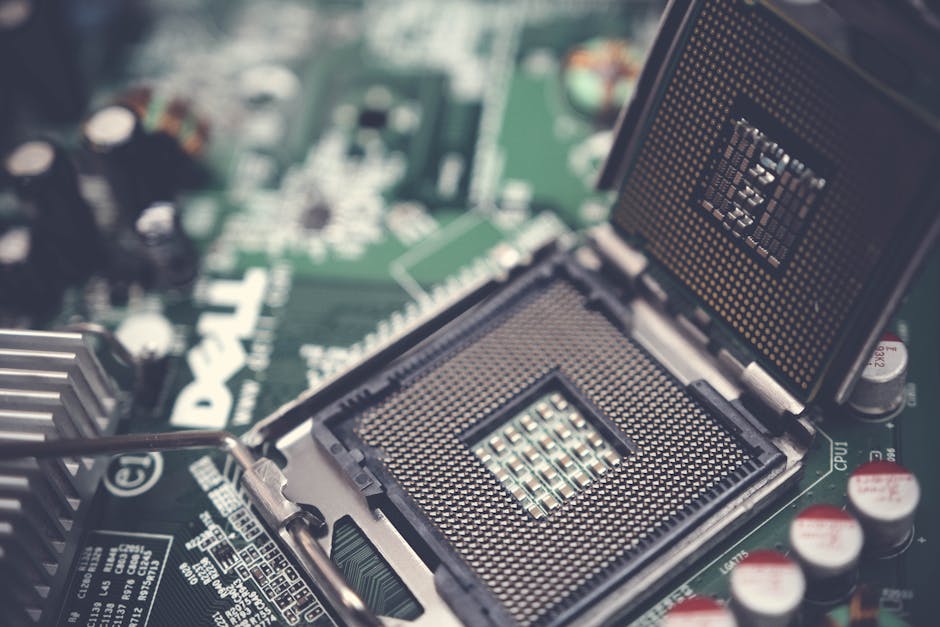
Ultimately, the role of AI in semiconductor physical design, and especially in chip floorplanning, is a game-changer. It empowers engineers to achieve unprecedented levels of performance, efficiency, and innovation, paving the way for the next generation of advanced electronic devices.

